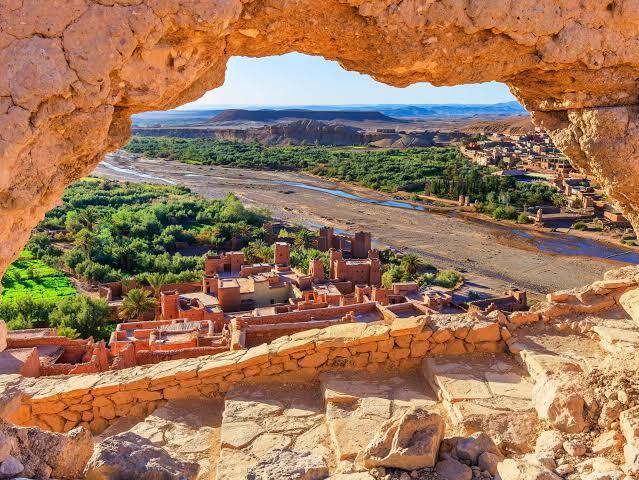


Agdal Gardens

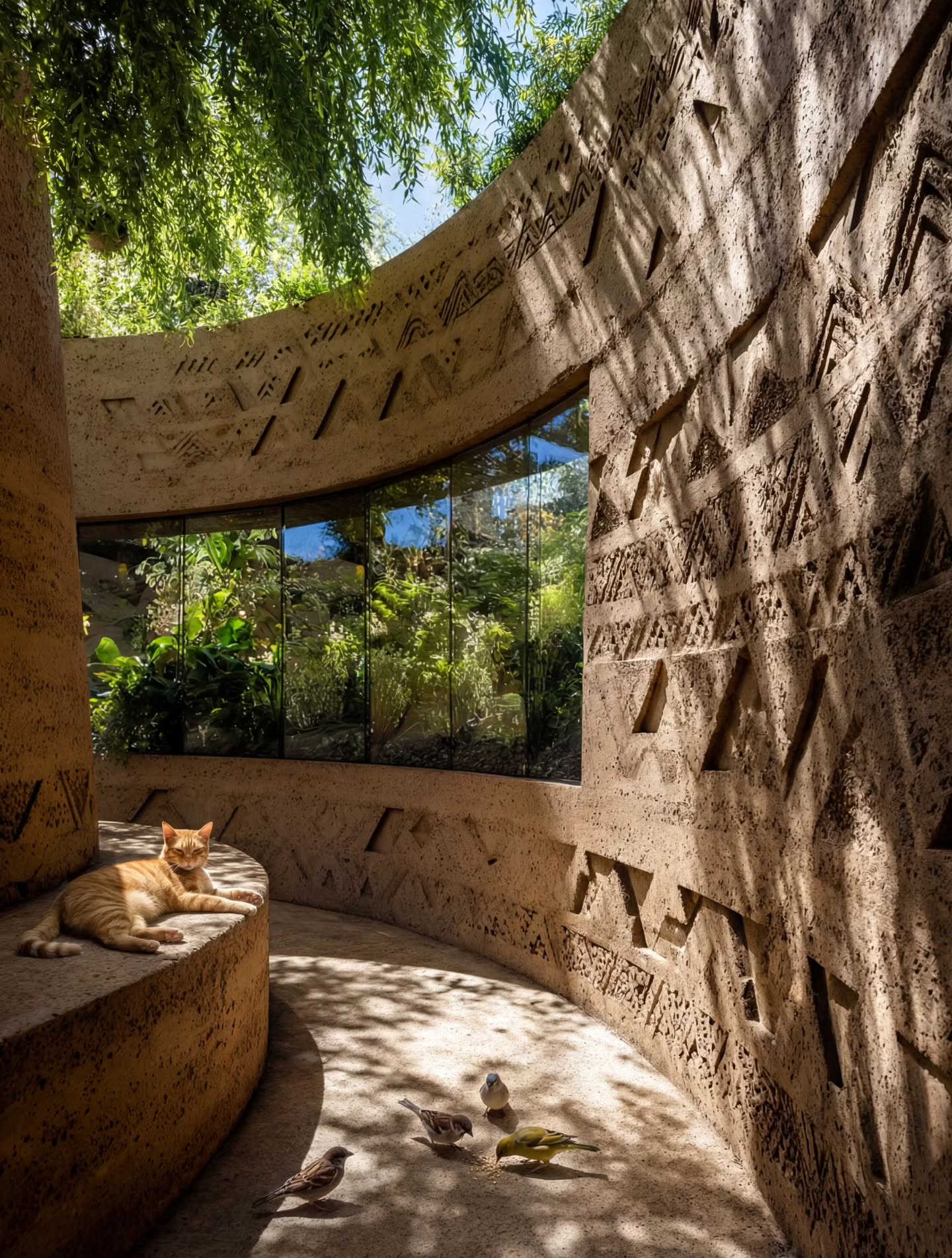
Agdal Gardens passageway in Marrakech

Agdal Gardens

Loading available options...

Overview

  • Duration:4 hours 30 minutes
  • Travelers:5 guests
  • Tour Type:Daily tour, Group tour, Parks and Gardens, Private tour
  • Language:English
The Agdal Gardens (Jardins de l'Agdal) are a massive expanse of historic royal orchards and walled meadows stretching directly south of Marrakech’s Royal Palace. Originally established in 1157 by Caliph Abd al-Mu'min of the Almohad Dynasty, these gardens are more than 850 years old and represent the prototype of the classical Islamic agdal estate. Spanning an incredible 400 to 500 hectares behind a 9-kilometer pisé mud-brick defensive wall, it is one of the oldest and largest preserved historic orchard networks in the Islamic world. Recognized as a UNESCO World Heritage Site in 1985 along with the medina and Menara Gardens, the vast estate remains an engineering and botanical marvel.

Why You Should Visit

You should visit the Agdal Gardens to witness an astonishing, centuries-old masterpiece of Islamic agricultural engineering operating on a monumental scale. Agdal is an authentic, working orchard composed of miles of olive groves, pomegranates, and citrus trees. The primary draw is the sophisticated 12th-century hydraulic network of khettaras (underground channels) that harvests melted snow water from the High Atlas Mountains to fill immense reservoirs.
Read more

Highlights

  • Sahrij el-Hana (Tank of Health): The estate's largest water storage basin, measuring 220 meters long, where Almohad soldiers historically practiced swimming before crossing the Mediterranean to Andalusia.
  • Dar el-Hana Pavilion: A historic minzah (pleasure pavilion) standing directly on the edge of the central reservoir, complete with a panoramic viewing terrace that looks out at the High Atlas Mountains.
  • The Ancient Khettara System: An architectural and technical highlight featuring visible networks of centuries-old stone channels and underground aqueducts that still irrigate the trees using gravity.
  • Dar al-Bayda: A historic 18th-century palace structure nestled deep within the interior grounds, built during the Alawite dynasty as a private royal retreat.
  • The Productive Quadrants: Large, organized rectangular agricultural plots entirely filled with thousands of splitting pomegranates, figs, lemons, walnuts, and almonds.
  • The Olive-Tree Walkways: Miles of peaceful, wide pathways flanked by centuries-old, silver-leafed olive groves that serve as popular routes for local joggers and walkers.

Includes/Excludes

  • Shared tour
  • Hotel pickup and drop-off
  • Food

Cancellation policy

You can cancel up to 24 hours in advance of the experience for a full refund.

Frequently asked questions

What are the opening hours and entry fees?

Public access to the Agdal Gardens is completely free of charge. However, because it directly borders the highly secure Royal Palace, standard public access is severely restricted and traditionally permitted only on Fridays and Sundays from 9:00 AM to 5:00 PM. Warning: The grounds can close abruptly without notice whenever members of the Moroccan royal family are in residence at the adjacent palace.

How do I find the entrance?

Locating the entrance can be challenging since the perimeter is entirely enclosed by massive mud walls. It is best to take a taxi directly to the southern palace gates along the Route des Remparts. Avoid trying to walk from the central medina during the heat of the day, as it takes over 30 minutes from the Kasbah district just to reach the outermost perimeter gate.

What to bring

Comfortable Footwear
Sun Protection
A High-Quality Camera or Phone
A Charged power bank
Some cash at hand

You might also like...

Related Articles