
Henna Artisans Quarter Marrakech

Henna Artisans Quarter in Marrakech

Henna Artisans Quarter Marrakech

Loading available options...

Overview

  • Duration:4 hours 30 minutes
  • Travelers:5 guests
  • Tour Type:Daily tour, Group tour, Parks and Gardens, Private tour
  • Language:English
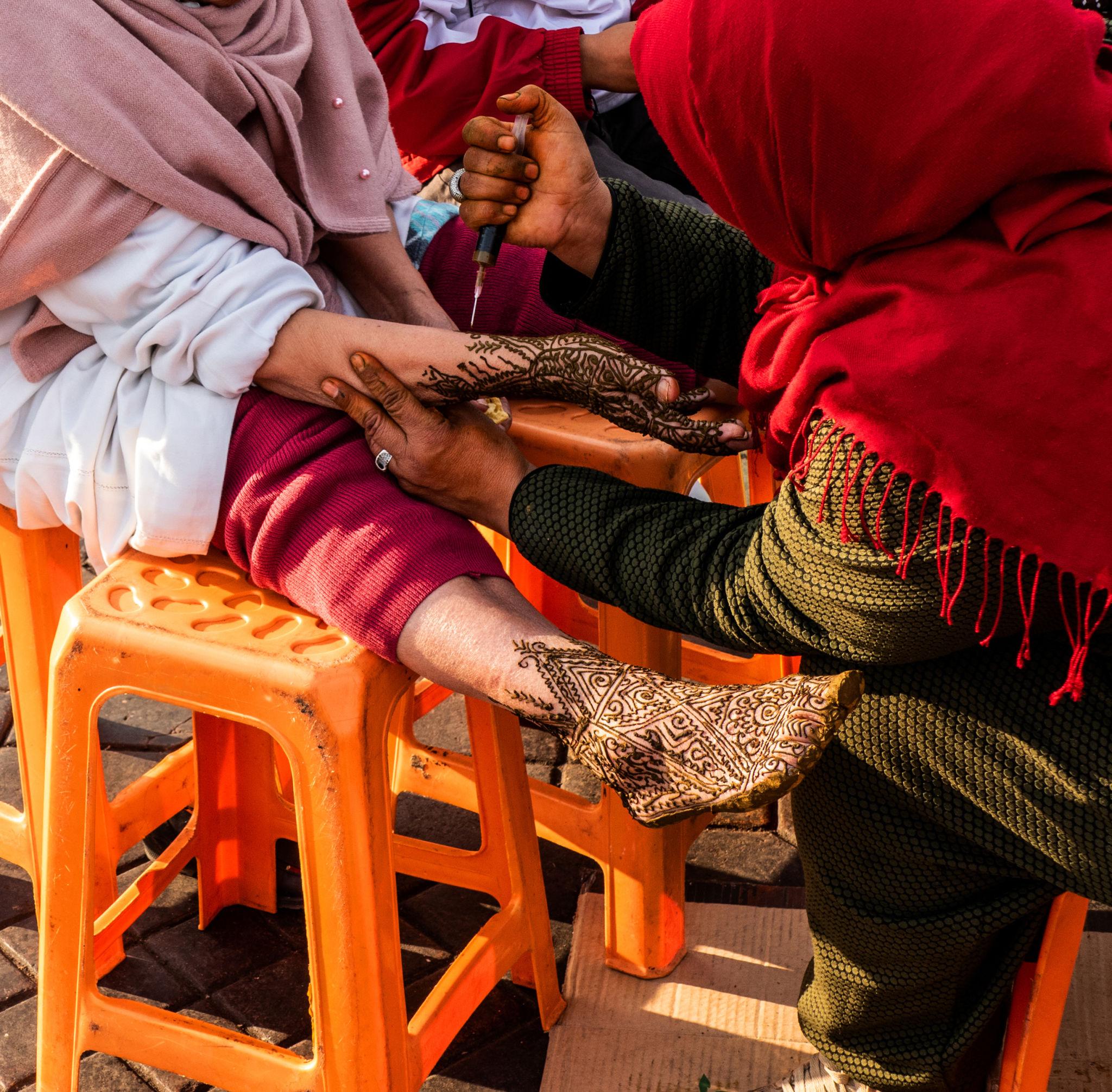
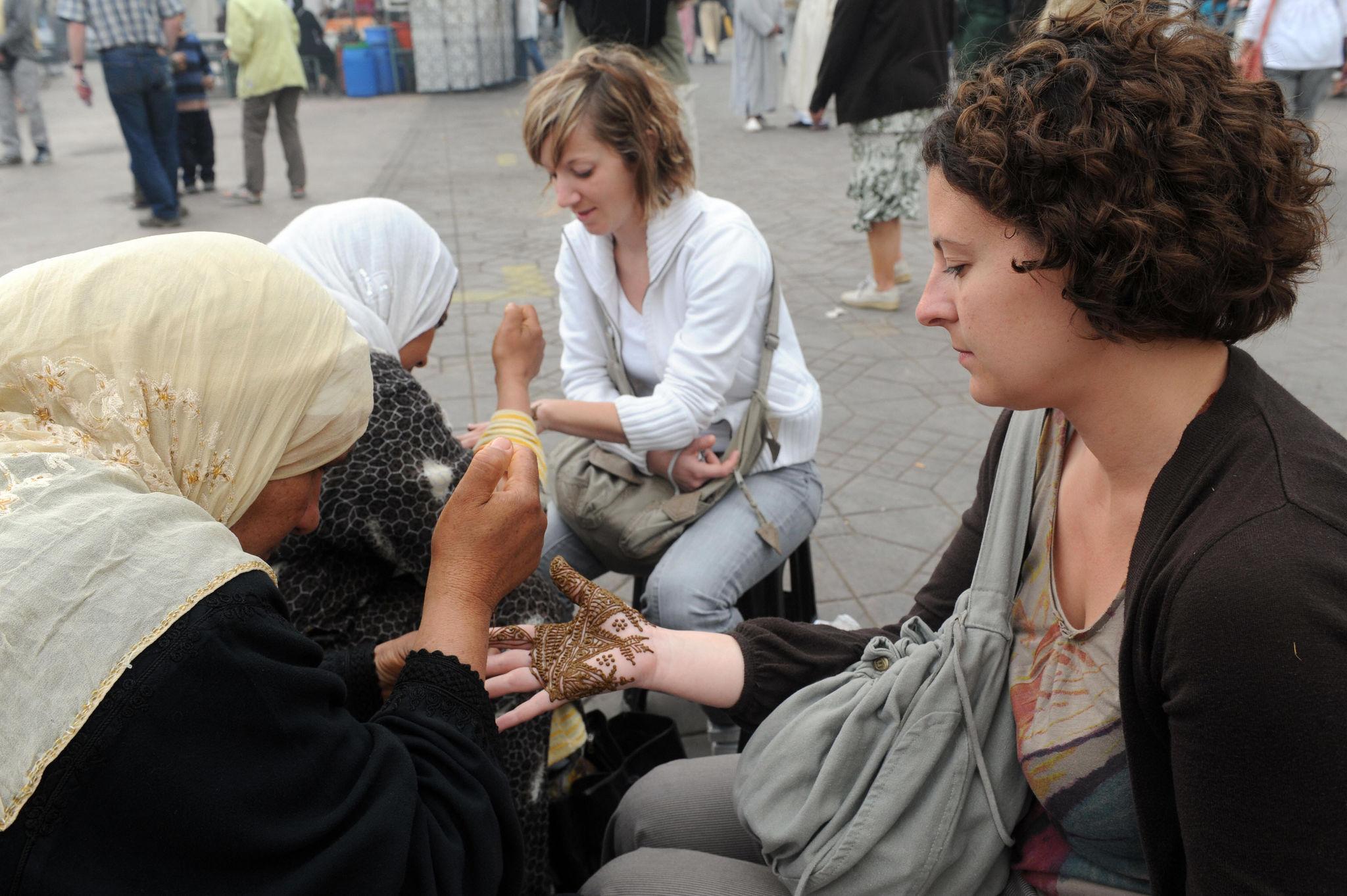
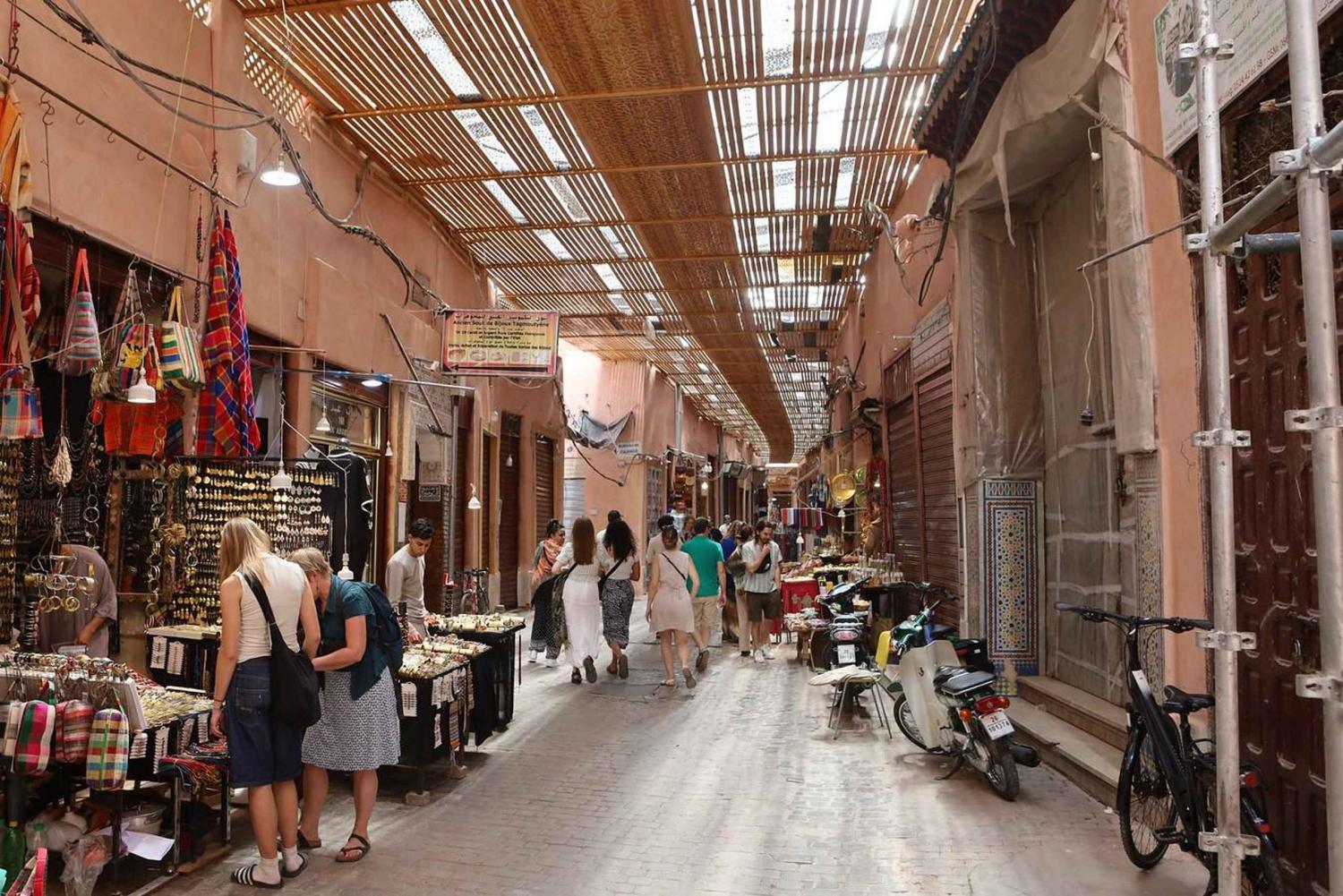
The Henna Artisans Quarter Marrakech (often centered around the historic Souk des Teinturiers or specific enclaves near Place des Épices) is a dedicated, cultural area within the Marrakech medina specializing in the ancient North African art of body adornment. Henna (lawsonia inermis) holds a sacred, deeply symbolic place in Moroccan heritage, traditionally applied during weddings, religious holidays, and births to attract good fortune (baraka) and ward off the evil eye. This neighborhood is a vibrant hub where professional female henna tattooists, botanists, and cosmetic artisans gather. Here, they crush raw desert leaves into fine powders, mix fresh, aromatic pastes, and apply intricate geometric Amazigh (Berber) and floral Arab patterns directly onto the hands and feet of locals and travelers alike.

Why You Should Visit

You should visit the Henna Artisans Quarter to safely experience an authentic, centuries-old Moroccan cultural ritual while dodging the notorious scammers of Jemaa el-Fnaa square. In this specialized district, you can bypass the aggressive street touts who often use toxic chemical mixtures and instead sit down with certified, professional female artisans who practice henna as a respected fine art.
Read more

Highlights

  • Natural Green Henna Demos: Interactive market stalls where artisans demonstrate how raw green henna leaves are sun-dried, stone-ground, and sifted into organic powder.
  • Amazigh Geometric Patterns: Galleries and tattoo setups showcasing traditional, sharp-lined Berber symbols, which carry historic meanings of protection, fertility, and strength.
  • The Scented Herb Bazaars: Surrounding shopfronts overflowing with organic cosmetic additives mixed into henna pastes, including orange blossom water, rosewater, and whole cloves.
  • The Henna Art Café Enclaves: Renowned, cooperative-style cafés tucked within the quarter where visitors can enjoy local sweets while getting tattooed by vetted, professional female artists.
  • Traditional Cosmetic Stalls: Displays of accompanying ancestral beauty products, such as walnut bark for teeth whitening, terracotta poppy-petal lip stains (aker fassi), and pure argan oil.
  • Live Design Lookbooks: Massive, colorful archival portfolios kept by the artists, illustrating the historical differences between bold Saharan blocks, delicate Fassi lace, and modern floral fusion styles.

Includes/Excludes

  • Shared tour
  • Hotel pickup and drop-off
  • Food

Cancellation policy

You can cancel up to 24 hours in advance of the experience for a full refund.

Frequently asked questions

How can I ensure the henna used is completely safe?

This is the most critical safety rule in Marrakech: always demand 100% natural brown/reddish henna. Strictly avoid "Black Henna," which contains a highly toxic synthetic chemical dye called PPD (paraphenylenediamine) that can cause severe, permanent chemical burns, blistering, and lifelong allergic reactions. Natural henna paste is a dark greenish-brown color when wet, smells strongly of essential oils or grass, and leaves an orange stain that matures into a deep reddish-brown.

How much should a traditional henna design cost?

Prices in the established artisan quarter vary based on the size and complexity of the design but generally range from 50 to 200 Moroccan Dirhams (MAD) per hand. Always negotiate and firmly agree upon the exact total price before the artisan begins mixing the paste or touching your skin to avoid misunderstandings.

What to bring

Comfortable Footwear
Sun Protection
A High-Quality Camera or Phone
A Charged power bank
Some cash at hand

You might also like...

Related Articles