
Loading available options...
Overview
- Duration:4 hours 30 minutes
- Travelers:5 guests
- Tour Type:Daily tour, Group tour, Parks and Gardens, Private tour
- Language:English
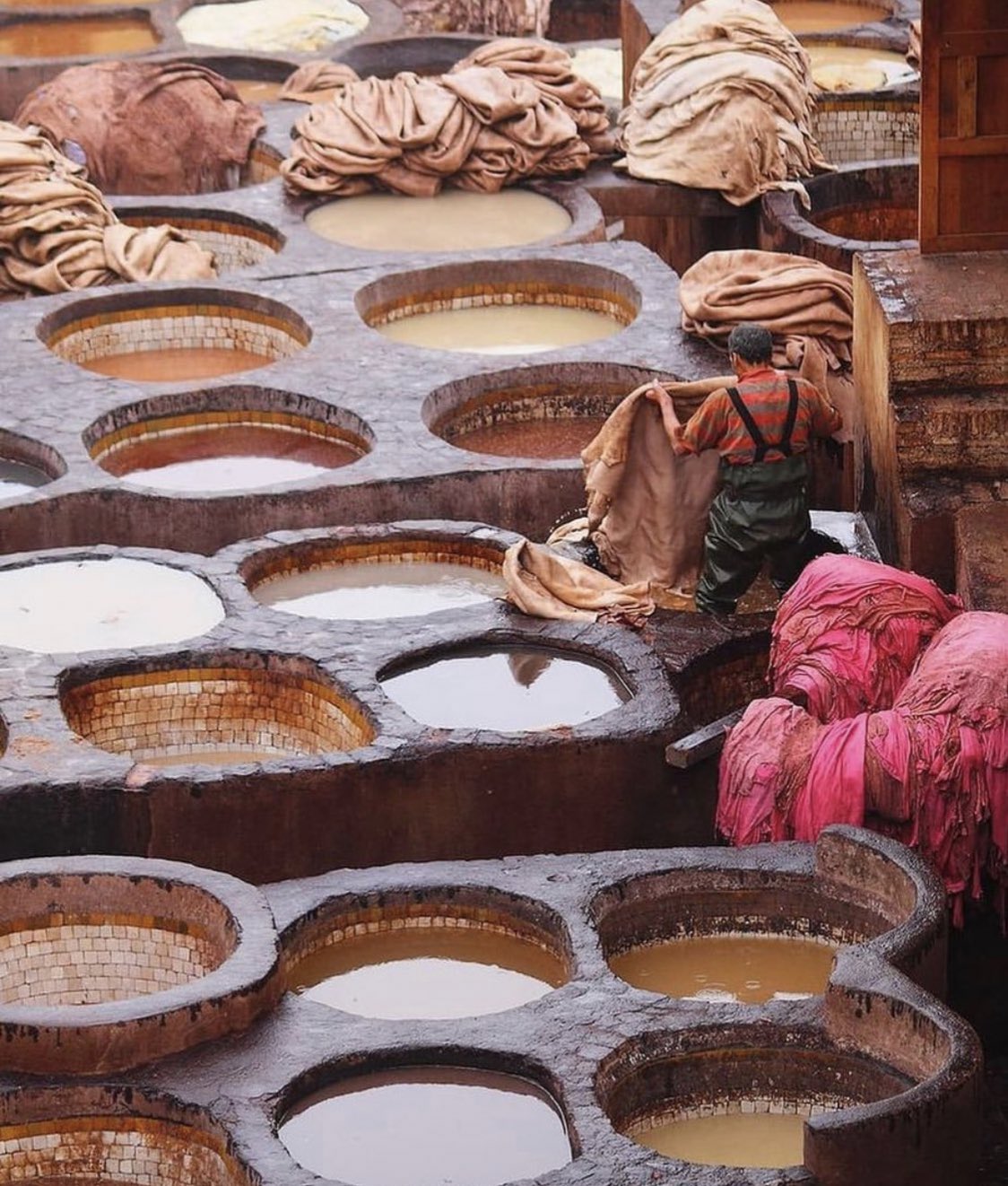
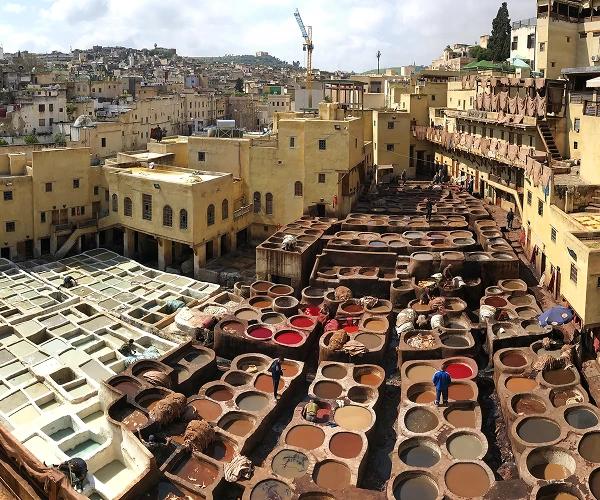
The Leather Tanneries of Marrakech (Les Tanneries), located at the far northeastern edge of the historic medina, are among the oldest active industrial quarters in the city. Operating continuously since the founding of Marrakech in the 11th century by the Almoravid dynasty, this raw, hard-working district is where raw hides are transformed into Morocco's famous supple leather. The tanneries are organized as an open-air labyrinth of massive stone and concrete vats filled with natural chemical solutions, dyes, and organic fluids. Generational guilds of master tanners and laborers use ancient, grueling manual techniques to process goat, sheep, cow, and camel skins, supplying the raw materials for the endless leather goods sold throughout the city's souks.
Why You Should Visit
You should visit the leather tanneries to witness the medieval industrial craftsmanship completely untouched by modern manufacturing technology. Watching the tanners stand thigh-deep in pungent vats, manually treading and scrubbing heavy hides under the blazing sun, offers a profound appreciation for the intense human labor behind every leather bag, jacket, and pair of babouche slippers sold in the markets.
Why You Should Visit
You should visit the leather tanneries to witness the medieval industrial craftsmanship completely untouched by modern manufacturing technology. Watching the tanners stand thigh-deep in pungent vats, manually treading and scrubbing heavy hides under the blazing sun, offers a profound appreciation for the intense human labor behind every leather bag, jacket, and pair of babouche slippers sold in the markets.
Highlights
- The Softening Vats: Expansive fields of white stone pits filled with a traditional, highly pungent mixture of water, limestone, and pigeon droppings (rich in ammonia) used to naturally soften stiff hides.
- The Natural Dyeing Basins: Groups of deep concrete vats filled with organic, plant-based coloring fluids, including saffron and turmeric for yellow, poppy petals for red, and indigo for vibrant blue.
- Scraping and Stretching Stations: Open-air workspaces where laborers use curved, razor-sharp medieval knives to manually scrape hair and excess flesh off damp skins stretched across wooden blocks.
- Drying Fields and Terraces: Hundreds of damp leather sheets spread flat across the surrounding dirt grounds and hung from rooftop railings, creating a patchwork quilt of drying hides across the district.
- Surrounding Viewing Cooperatives: Multi-story leather boutiques encircling the pits, offering elevated, panoramic balconies that provide the absolute best vantage points for photography and observation.
- Camel Skin Processing Zones: Specialized, heavy-duty sections of the tanneries dedicated exclusively to preparing ultra-durable camel hides, prized for their unique texture and weather resistance.
Includes/Excludes
- Shared tour
- Hotel pickup and drop-off
- Food
Cancellation policy
You can cancel up to 24 hours in advance of the experience for a full refund.
Frequently asked questions
How do I handle the intense smell and the notorious tour scams?
The smell of the tanneries is incredibly overwhelming due to the organic materials used in the softening process; upon entering a viewing terrace, shopkeepers will customarily hand you a sprig of fresh mint to hold under your nose, which helps filter out the stench. Be highly aware that this district is the epicenter of Marrakech's "tannery scam." Aggressive street touts will falsely tell you that the main medina roads are closed, or offer to take you to a "free festival" at the tanneries, only to trap you on a private rooftop and aggressively demand a massive fee (often 100 to 200 MAD) for exiting. To avoid this, visit with a licensed guide, or firmly ignore anyone approaching you on the street and navigate directly to an established viewing cooperative.
Is it customary to tip the terrace owners or workers?
Yes. If you climb up into a leather shop to use their balcony for photos without purchasing any of their leather goods, it is highly expected and polite to tip the person who escorted you up. A tip of 20 to 50 Moroccan Dirhams (MAD) is standard and appreciated for their hospitality and the mint sprig provided.
What to bring
Comfortable Footwear
Sun Protection
A High-Quality Camera or Phone
A charged power bank
Cash at hand
Sun Protection
A High-Quality Camera or Phone
A charged power bank
Cash at hand
Have a question before booking? Message us to learn more.
You might also like...
Login to use
Nkyinkyim Museum
Location
Duration
The Nkyinkyim Museum is the largest outdoor museum...
0(0)
Login to use
Gallery 1957
Location
Duration
Gallery 1957 is a world-class contemporary art gallery...
0(0)
Login to use
Artists Alliance Gallery
Location
Duration
The Artists Alliance Gallery, also known as Omanye...
0(0)
Login to use
National Museum of Ghana
Location
Duration
The National Museum of Ghana is the oldest...
0(0)
Login to use
National Theatre of Ghana
Location
Duration
The National Theatre of Ghana is an architectural...
0(0)
Login to use
Centre for National Culture
Location
Duration
Centre for National Culture in Accra, commonly referred...
0(0)
Login to use
Alliance Française Accra
Location
Duration
Alliance Française Accra is a premier cultural center,...
0(0)
Login to use
Brazil House Tour
Location
Duration
Brazil House is a historical museum and cultural...
0(0)