
Souks of Marrakech

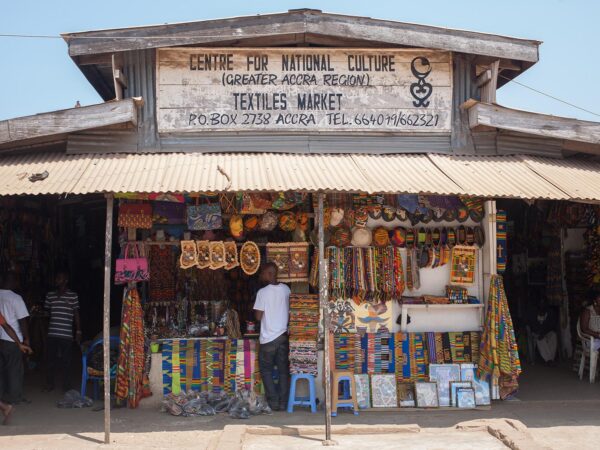
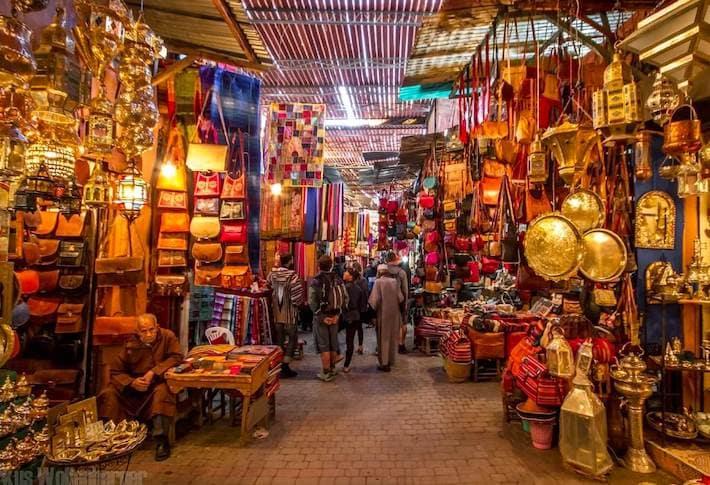
Goods displayed in one of the Souks of Marrakech

Souks of Marrakech

Loading available options...

Overview

  • Duration:4 hours 30 minutes
  • Travelers:5 guests
  • Tour Type:Culture & Landmark, Daily tour, Group tour, Private tour
  • Language:English
The Souks of Marrakech comprise a sprawling, historical network of lively open-air marketplaces woven deeply into the northern medina of Marrakech, Morocco. Originating centuries ago as a vital trading hub for trans-Saharan camel caravans, this labyrinthine bazaar is organized loosely by trade, with distinct quarters for weavers, tanners, metalworkers, and spice merchants. Spreading outwards from the iconic Jemaa el-Fnaa square, the souks serve as the beating commercial heart of the old city. You can better understand ancient Moroccan trade traditions and find thousands of local master artisans at the Souks of Marrakech – one of the most famous tourist attractions in Morocco.

Why You Should Visit

You should visit the souks to understand the true spirit of Moroccan daily life and craft heritage. Wandering through these alleyways offers an intimate, firsthand look at generational artistry, where you can watch craftsmen hammer lanterns, dye raw wool, and hand-weave complex Berber rugs right before your eyes. It is the premier destination to hone your bargaining skills, hunt for unique treasures, and experience the thrilling, fast-paced momentum of a traditional marketplace.
Read more

Highlights

  • Souk Semmarine: The massive, primary thoroughfare of the market, lined with bright textile shops, leather goods, and high-quality antique dealers.
  • Souk el Attarine: A breathtaking sensory alleyway packed with towering cones of aromatic spices, local herbs, natural cosmetics, and gleaming brass lanterns.
  • Souk des Teinturiers (Dyers' Souk): A highly photogenic sector where freshly dyed skeins of raw wool and silk hang from overhead bamboo poles to dry in the sun.
  • Souk Haddadine: The loud, industrial blacksmiths' quarter where you can witness artisans melting, shaping, and hammering iron into elaborate gates and lanterns.
  • Souk Cherifia: A modern, air-conditioned multi-level shopping enclave nestled within the traditional market, highlighting independent Moroccan fashion and upscale concept boutiques.
  • Place des Épices (Spice Square): A lively, open-air plaza famous for traditional woven straw baskets, apothecary displays, and surrounding rooftop cafés.

Includes/Excludes

  • Shared tour
  • Hotel pickup and drop-off
  • Food

Cancellation policy

You can cancel up to 24 hours in advance of the experience for a full refund.

Frequently asked questions

What are the opening hours and when is the best time to visit?

Most stalls operate daily from roughly 9:00 AM to 8:00 PM, though individual shops set their own hours. Fridays are holy days, meaning many vendors close down in the afternoon or remain closed all day. The absolute best time to visit is early morning (around 9:30 AM) when the paths are peaceful, or late evening when the lanterns light up and the energy peaks.

Is it easy to get lost, and what should I do if I do?

Yes, getting lost is practically an inevitability and part of the experience. If you lose your bearings, avoid looking overly distressed or accepting directions from aggressive street touts. Instead, calmly step into a permanent shop or restaurant and ask the merchant to point you toward Jemaa el-Fnaa, which will instantly orient you back to the main city center.

What to bring

Cash denominations (Dirhams)
Modest clothing that covers your shoulders and knees to show respect for local cultural and religious norms.
Comfortable Footwear
A Camera or Smartphone

You might also like...

Related Articles