
Bahia Palace

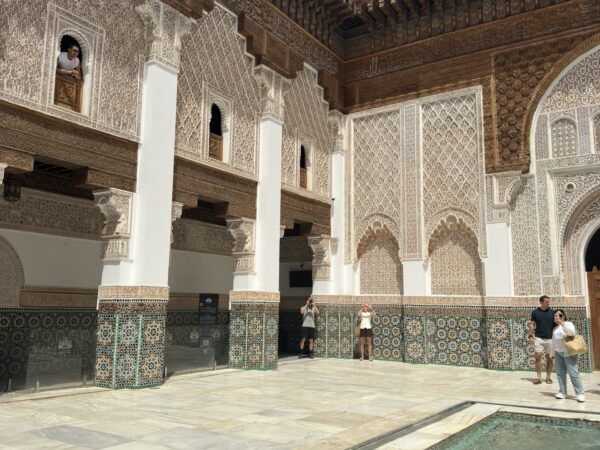
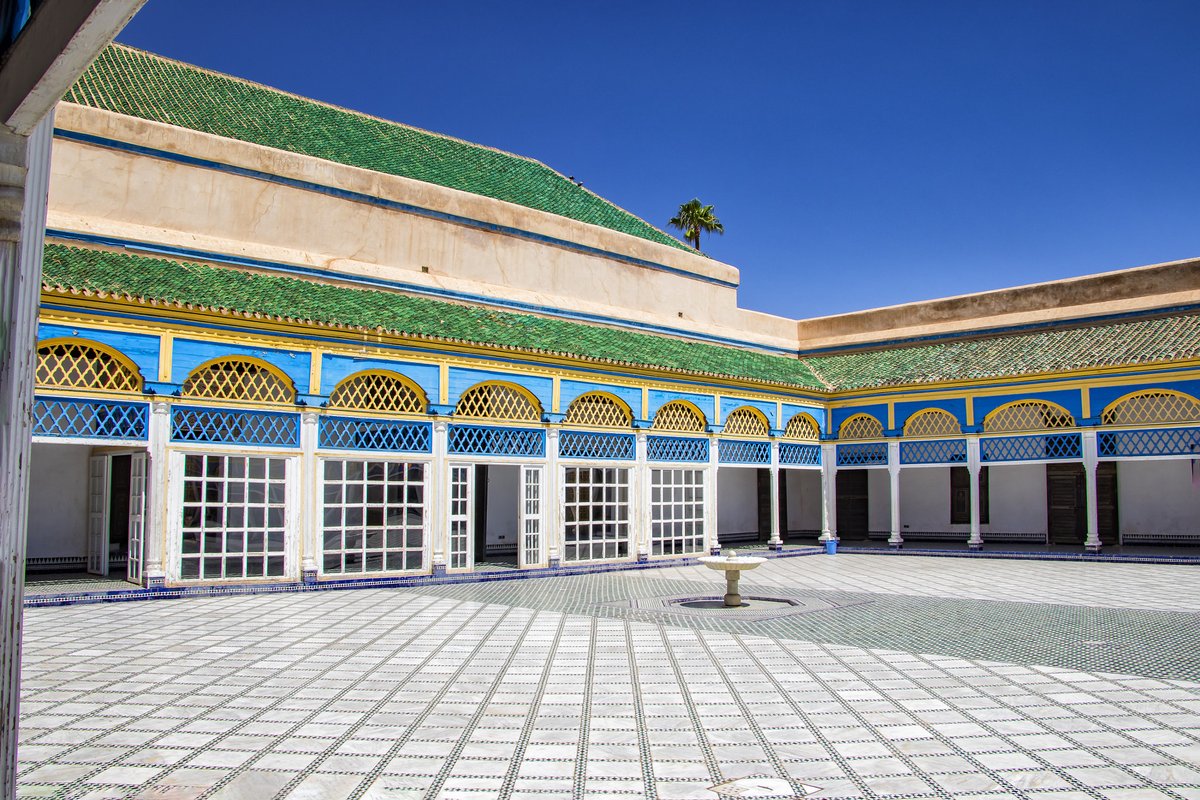
Courtyard view of the Bahia Palace in Marrakech, Morocco

Bahia Palace

Loading available options...

Overview

  • Duration:4 hours 30 minutes
  • Travelers:5 guests
  • Tour Type:Culture & Landmark, Daily tour, Group tour, Private tour
  • Language:English
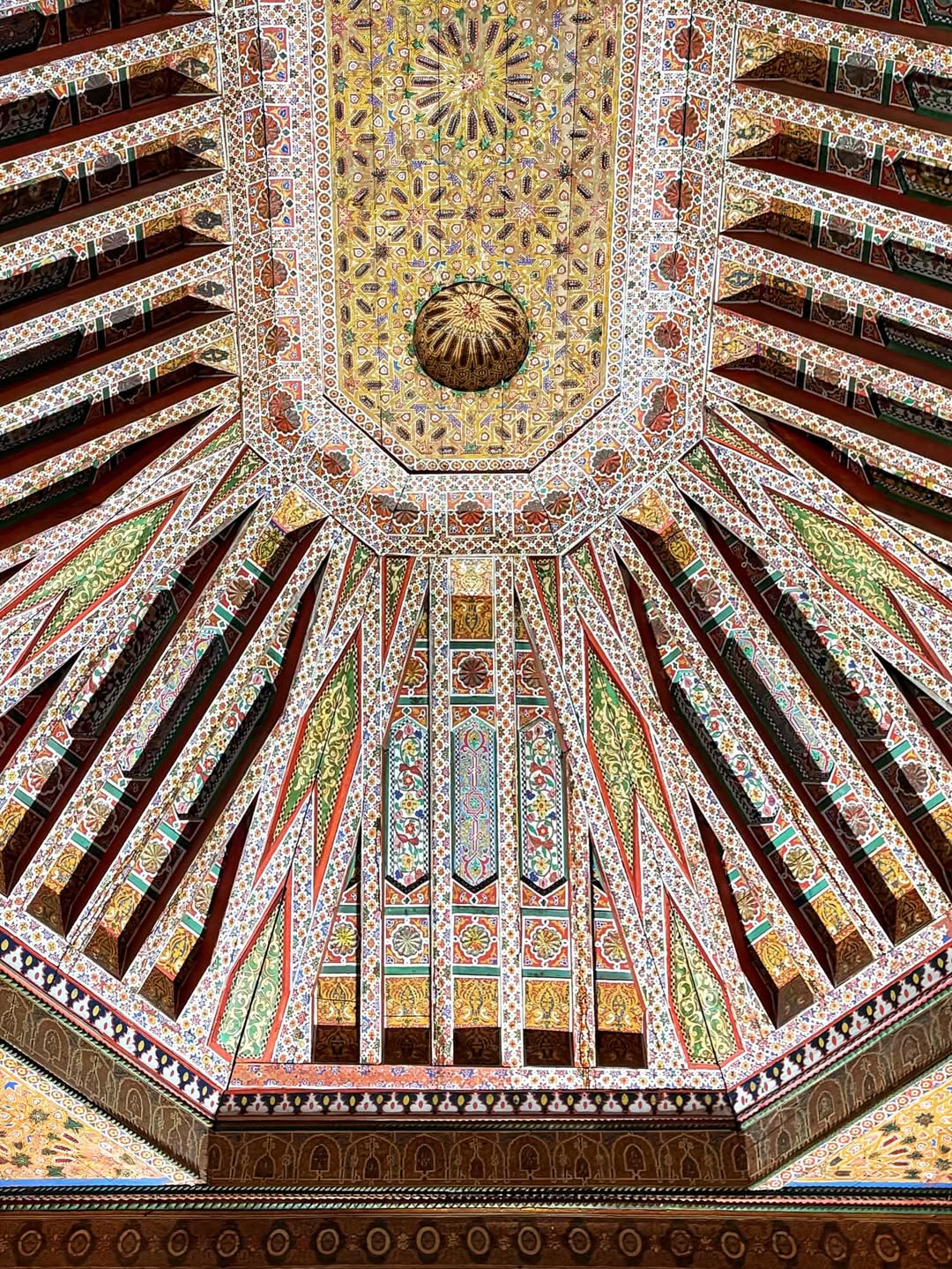
Bahia Palace (meaning "Palace of Brilliance") is a sprawling 19th-century complex nestled along the northern edge of the historic Mellah (Jewish Quarter) in Marrakesh, Morocco. Originally commissioned in the 1860s by Grand Vizier Si Moussa, a former enslaved man who rose to absolute power, it was vastly expanded between 1894 and 1900 by his equally powerful son and successor, Ba Ahmed. Covering eight hectares of intricate rooms, patios, and pleasure gardens, the estate was intentionally designed to be the most magnificent and opulent Moroccan palace of its era. Today, it stands as a celebrated national heritage site under the Ministry of Culture, drawing global visitors to experience its Andalusian-Moroccan architecture.

Why You Should Visit

Visiting Bahia Palace allows you to lose yourself in an enchanting labyrinth of standard-setting Moroccan design that pure luxury and personal pleasure built, completely free of defensive military fortifications. The palace serves as an architectural masterpiece, showcasing the absolute pinnacle of traditional craftsmanship through countless rooms adorned with vibrant stained glass windows, expertly hand-carved stucco, and incredibly rich cedarwood ceilings. Stepping out into the sweeping, sun-soaked courtyards lined with fine Italian marble provides a sweet change of pace from the chaotic overload of the neighboring souks.
Read more

Highlights

  • The Grand Courtyard of Honour: A massive 50x30 meter open plaza paved completely in imported Italian marble and vibrant zellige tiles, surrounded by a gallery of 52 painted wooden columns.
  • The Intimate Harem Quarters: The beautiful, private residential wing that once housed the vizier's four official wives and 24 concubines, featuring peaceful surrounding chambers.
  • The Council Chamber: A spectacular administrative salon boasting heavily porcelain-lined lower walls, finely painted window frame shutters, and a brilliant polychrome cedarwood ceiling.
  • Intricate Zellige Mosaic Flooring: Flawless displays of hand-cut, geometric clay tilework in signature hues of rich saffron yellows, deep cobalt blues, and terracotta reds.
  • Traditional Riad Gardens: Quiet inner paradises lushly planted with aromatic citrus orange trees, towering palms, cypress, and fragrant jasmine bushes.
  • Luminous Stained Glass Displays: Vibrant, multicolored glass panels strategically layered above entry archways to diffuse natural North African sunlight into geometric shadows.

Includes/Excludes

  • Shared tour
  • Hotel pickup and drop-off
  • Food

Cancellation policy

You can cancel up to 24 hours in advance of the experience for a full refund.

Frequently asked questions

What are the opening hours and standard entrance fees?

The palace is open to the public daily from 9:00 AM to 5:00 PM, though hours adjust to 10:00 AM to 4:00 PM during the holy month of Ramadan. Standard adult tickets cost 100 MAD (~$10 USD), with a reduced fee of 50 MAD available for children ages 7 to 13.

Why are all the palace rooms completely empty?

Upon Grand Vizier Ba Ahmed's death in 1900, the young Sultan Abd al-Aziz immediately ordered the entire complex to be stripped and looted. All luxurious furniture, silk cushions, and glittering art pieces were removed, leaving behind only the permanent structural tilework and carved ceilings.

Is hiring a local guide necessary at the site?

Because the rooms are entirely unfurnished and contain very little official informational signage, hiring a licensed local guide at the entrance gate is highly recommended to bring the structural history to life.

What to bring

Moroccan Dirham (Cash): Mandatory for buying entrance tickets directly at the primary admission ticket window.
Sturdy, Comfortable Footwear: Vital for standing and walking across large cobblestoned areas, uneven tiles, and extensive garden paths.
Sun Protection: A wide-brimmed hat, sunglasses, and high-SPF sunscreen are critical, as the massive central courtyard is fully exposed to intense midday sun.
A Refillable Water Bottle: Keeps you fully hydrated while completing a self-paced, multi-hour tour of the massive eight-hectare estate grounds.
Small Change: Helpful for buying cold water bottles or handcrafted souvenirs from traditional independent vendors surrounding the exterior exit.

You might also like...

Related Articles