

El Badi Palace

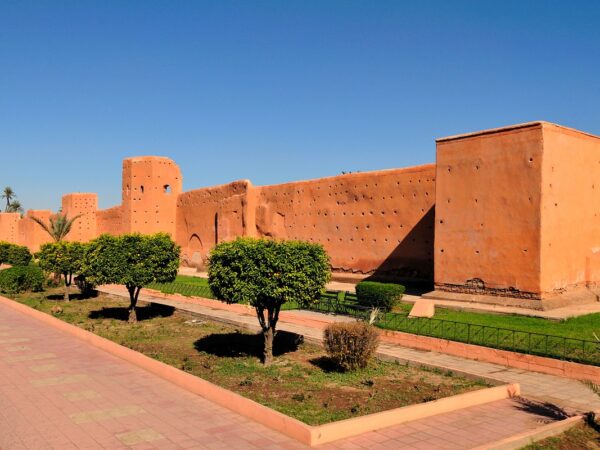
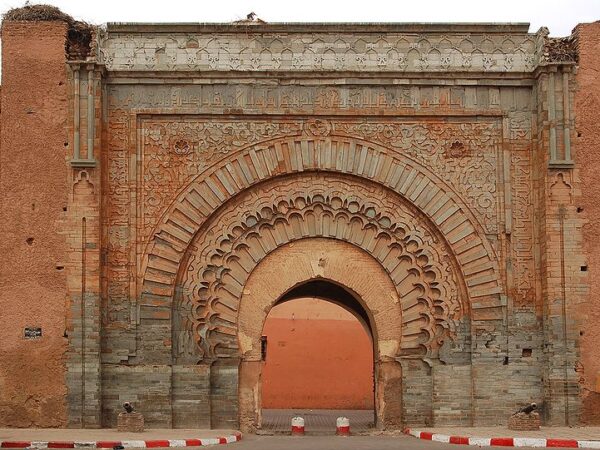
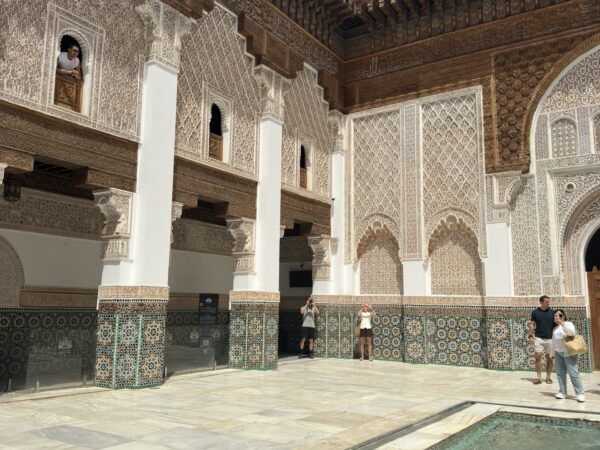
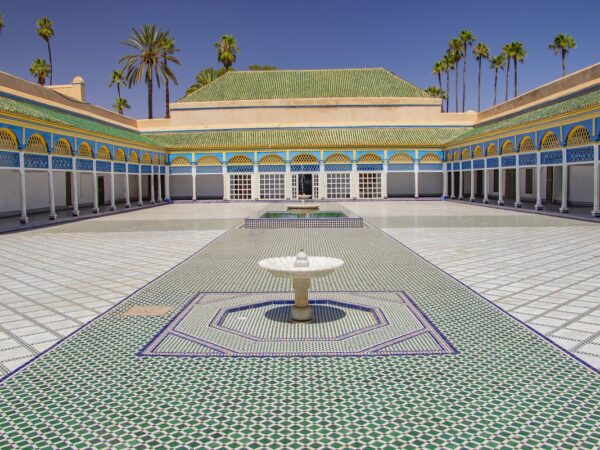
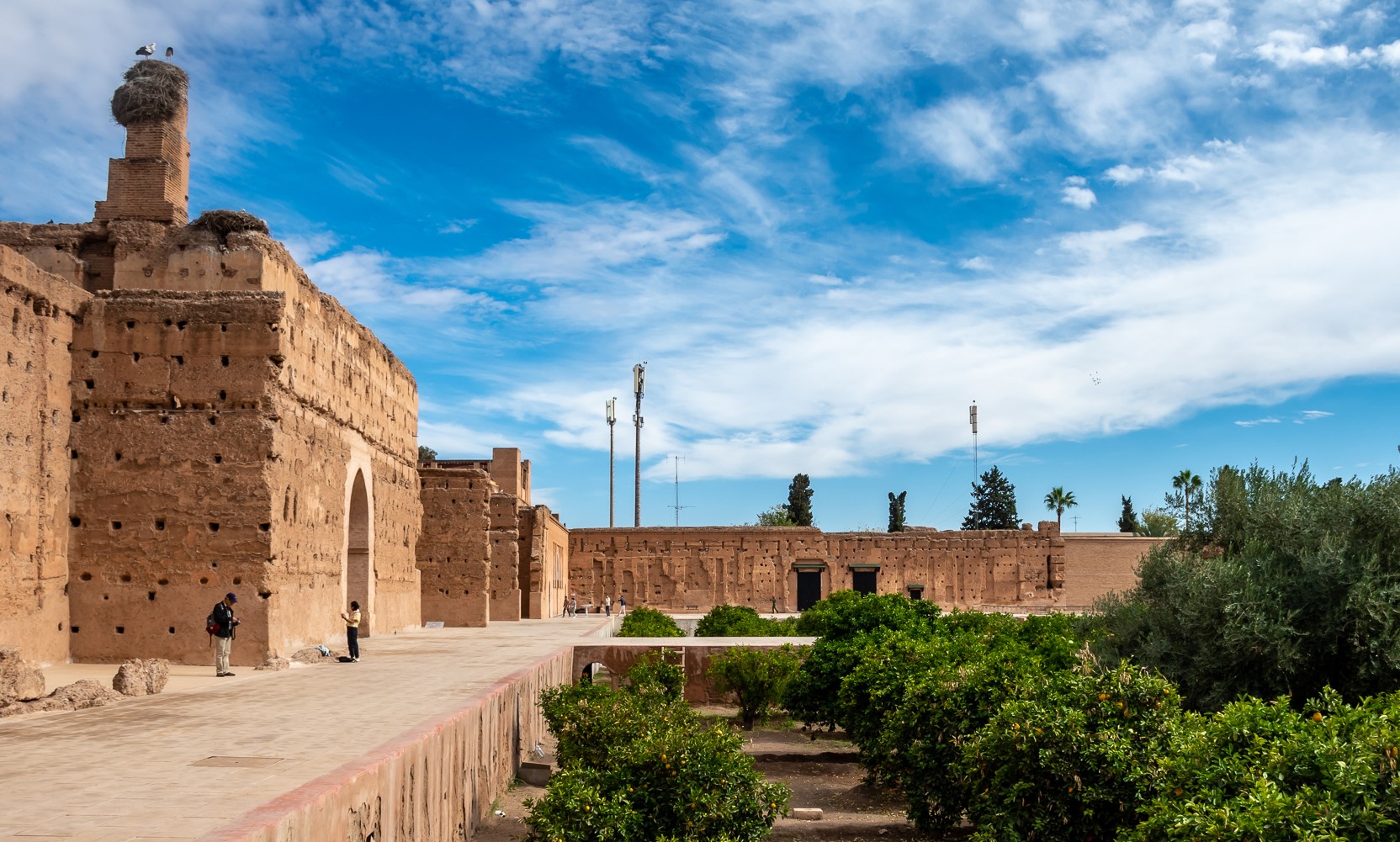
Entrance view of the El Badi Palace in Marrakesh

El Badi Palace

Loading available options...

Overview

  • Duration:4 hours 30 minutes
  • Travelers:5 guests
  • Tour Type:Culture & Landmark, Daily tour, Group tour, Private tour
  • Language:English
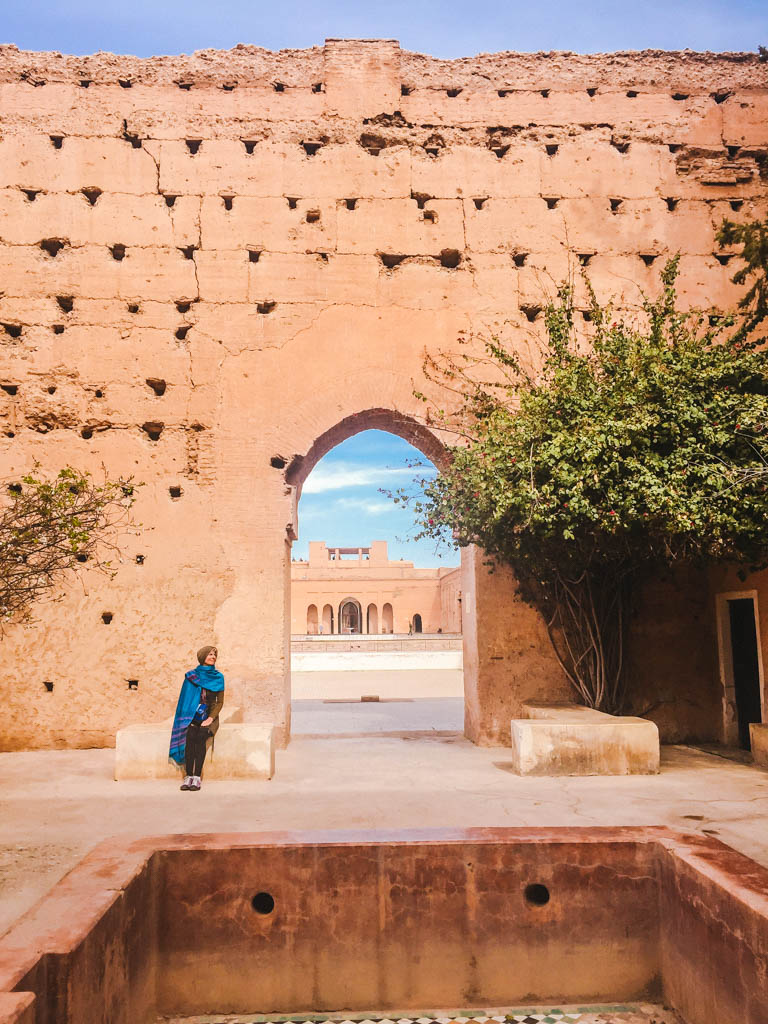
El Badi Palace (meaning "The Incomparable Palace") is a historic landmark comprising the majestic sandstone ruins of a 16th-century palace complex in the southern medina of Marrakesh, Morocco. Funded by the immense gold ransom received after defeating the Portuguese at the Battle of the Three Kings, the Saadian Sultan Ahmad al-Mansur constructed this lavish palace between 1578 and 1593. It was originally built using the most expensive materials of the era, including gold leaf, Italian Carrara marble, and rare onyx. However, its unmatched splendor was short-lived; about a century later, the Alawite Sultan Moulay Ismail ordered the complete demolition of the complex, stripping its riches over twelve years to build his new imperial capital in Meknes. Today, the monumental mud-brick walls and sunken orange orchards stand as an evocative, open-air archaeological monument under Morocco's Ministry of Culture.

Why You Should Visit

El Badi Palace provides a profound, hauntingly beautiful perspective on the fleeting nature of absolute power and imperial wealth. Standing amidst the colossal mud-brick ruins allows you to experience the sheer scale of the ancient Saadian dynasty, where towering ramparts look out over massive steep gardens that once held deep, reflective pools. Climbing the ancient stone terrace walls gives you a clear, 360-degree panoramic view across the entire Marrakesh medina and the distant Atlas Mountains, while giant white storks nesting on the battlements overhead create a truly unforgettable visual backdrop for photographers and history lovers alike.
Read more

Highlights

  • The Grand Sunken Courtyard: A massive central esplanade featuring four deeply recessed orange orchards flanking a gigantic, 90-meter-long central reflecting pool.
  • The Koutoubia Minbar Room: A dedicated indoor museum space housing the beautifully restored 12th-century wooden prayer pulpit, a masterpiece of Cordoban woodcarving.
  • The Subterranean Dungeons: A labyrinth of dark, underground brick tunnels and prison cells that once held captives beneath the feet of the royal court.
  • The Stork Nest Ramparts: Towering, weathered perimeter walls that host dozens of massive, permanent nests built by wild white storks.
  • The Panoramic Viewing Terrace: An elevated stone viewing platform offering sweeping, unobstructed views of the city rooftops and the snow-capped Atlas Mountains.
  • The Khayzuran Pavilion Ruins: The archaeological remains of the palace's residential quarters, revealing the underground heating systems of the ancient royal hammam.

Includes/Excludes

  • Shared tour
  • Hotel pickup and drop-off
  • Food

Cancellation policy

You can cancel up to 24 hours in advance of the experience for a full refund.

Frequently asked questions

What are the entrance fees and daily operating hours?

The palace ruins welcome visitors daily from 9:00 AM to 5:00 PM. A standard adult entry ticket costs 70 MAD (about $7 USD), with an optional additional fee of 10 MAD (~$1 USD) to enter the special room housing the historic Koutoubia Minbar.

How much time should I budget for a full tour?

Because the site is a vast, open-air complex covering several acres, you should budget between 1 to 2 hours to comfortably explore the tunnels, courtyards, and terraces at a leisurely pace.

Is the site accessible for travelers with limited mobility?

The main central courtyard and sunken gardens are relatively flat and easy to access. However, the subterranean dungeons, high rampart viewing terraces, and minbar room require climbing steep, narrow, and uneven stone steps that are not wheelchair accessible.

What to bring

Moroccan Dirham (Cash): Mandatory for buying entrance tickets directly at the primary admission ticket window.
Sturdy, Comfortable Footwear: Vital for standing and walking across large cobblestoned areas, uneven tiles, and extensive garden paths.
Sun Protection: A wide-brimmed hat, sunglasses, and high-factor sunscreen are absolutely essential, as the massive central courtyard offers virtually no shade from the midday sun.
A Telephoto or Zoom Lens: Ideal for capturing high-quality close-ups of the giant white storks nesting high up on the ancient walls.
A Refillable Water Bottle: Necessary to keep yourself fully hydrated while walking across the broad, unshaded outdoor stone expanses.
Sturdy Walking Shoes: Highly recommended for safely navigating the dusty underground passages, stone stairs, and gravel paths

You might also like...

Related Articles