
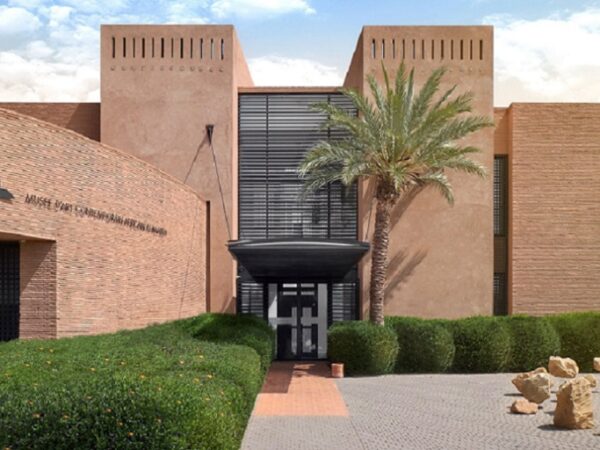
Dar Si Said Museum

Dar Si Said Museum

Loading available options...

Overview

  • Duration:4 hours 30 minutes
  • Travelers:5 guests
  • Tour Type:Culture & Landmark, Daily tour, Group tour, Private tour
  • Language:English
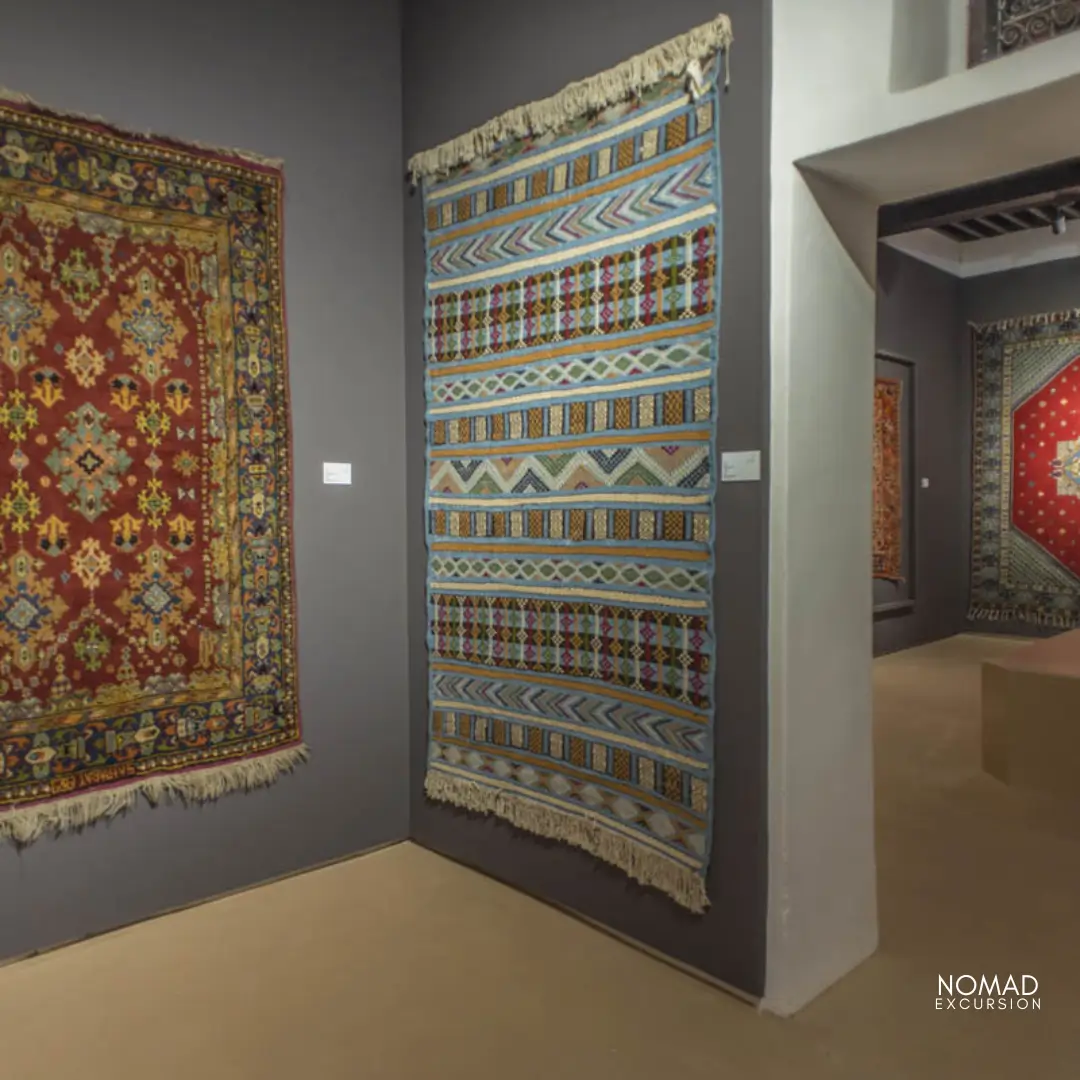
The Dar Si Said Museum (officially the National Museum of Weaving and Carpets) is the oldest museum in Marrakech and a premier destination for traditional Moroccan craftsmanship. Housed in an opulent late 19th-century palace built by Si Said ibn Moussa—brother to the Grand Vizier of the nearby Bahia Palace—the complex functions as both an architectural monument and an art repository. In the early 20th century, the facility was converted into a museum by the Moroccan Ministry of Culture.

Why You Should Visit

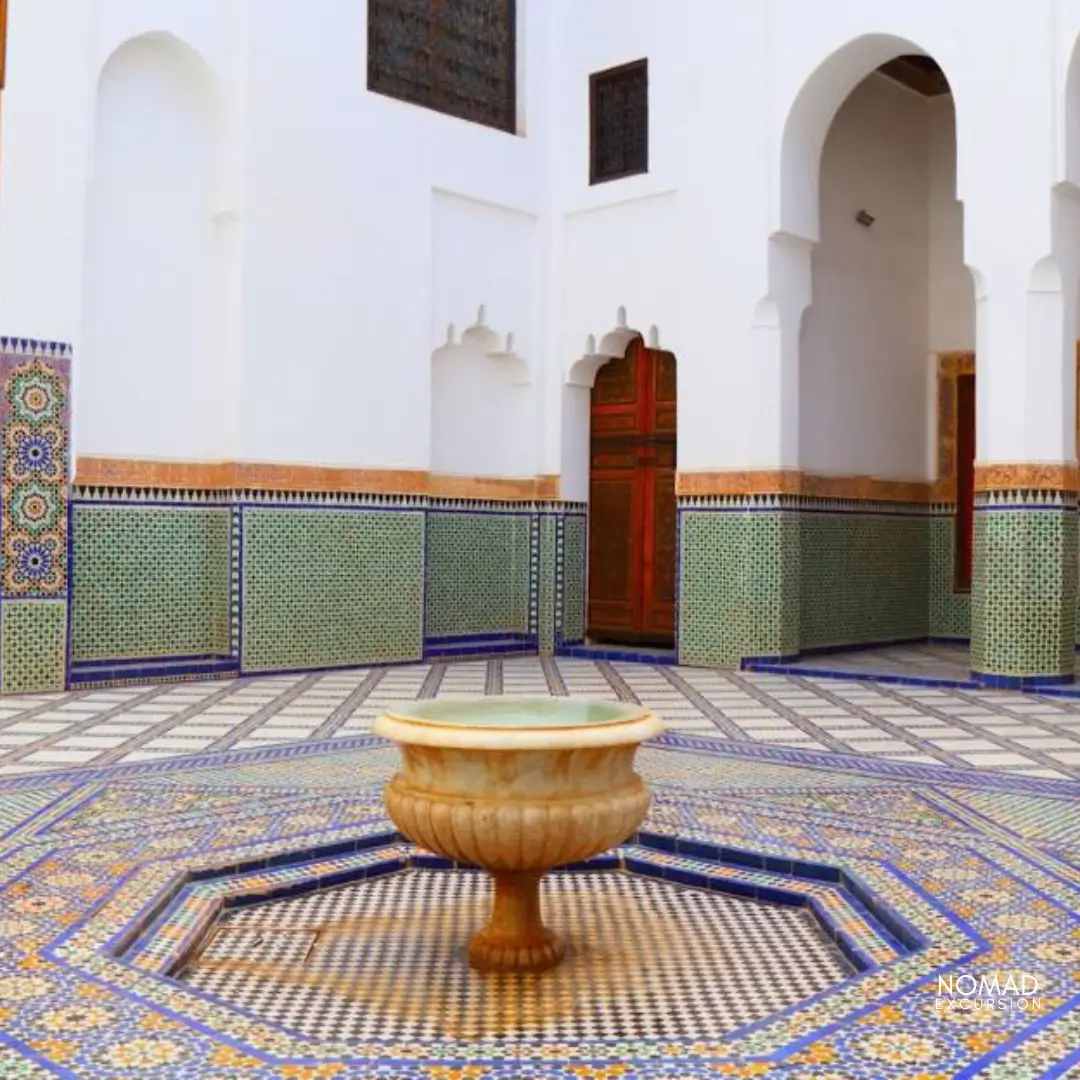
You should visit the Dar Si Said Museum to experience the unique opportunity to view exquisite, centuries-old artifacts in the exact architectural setting they were originally designed to inhabit. The palace brilliantly pairs intricate structural elements like carved stucco and zellij tilework with an extensive, educational collection of High Atlas Berber rugs and urban weavings.
Read more

Highlights

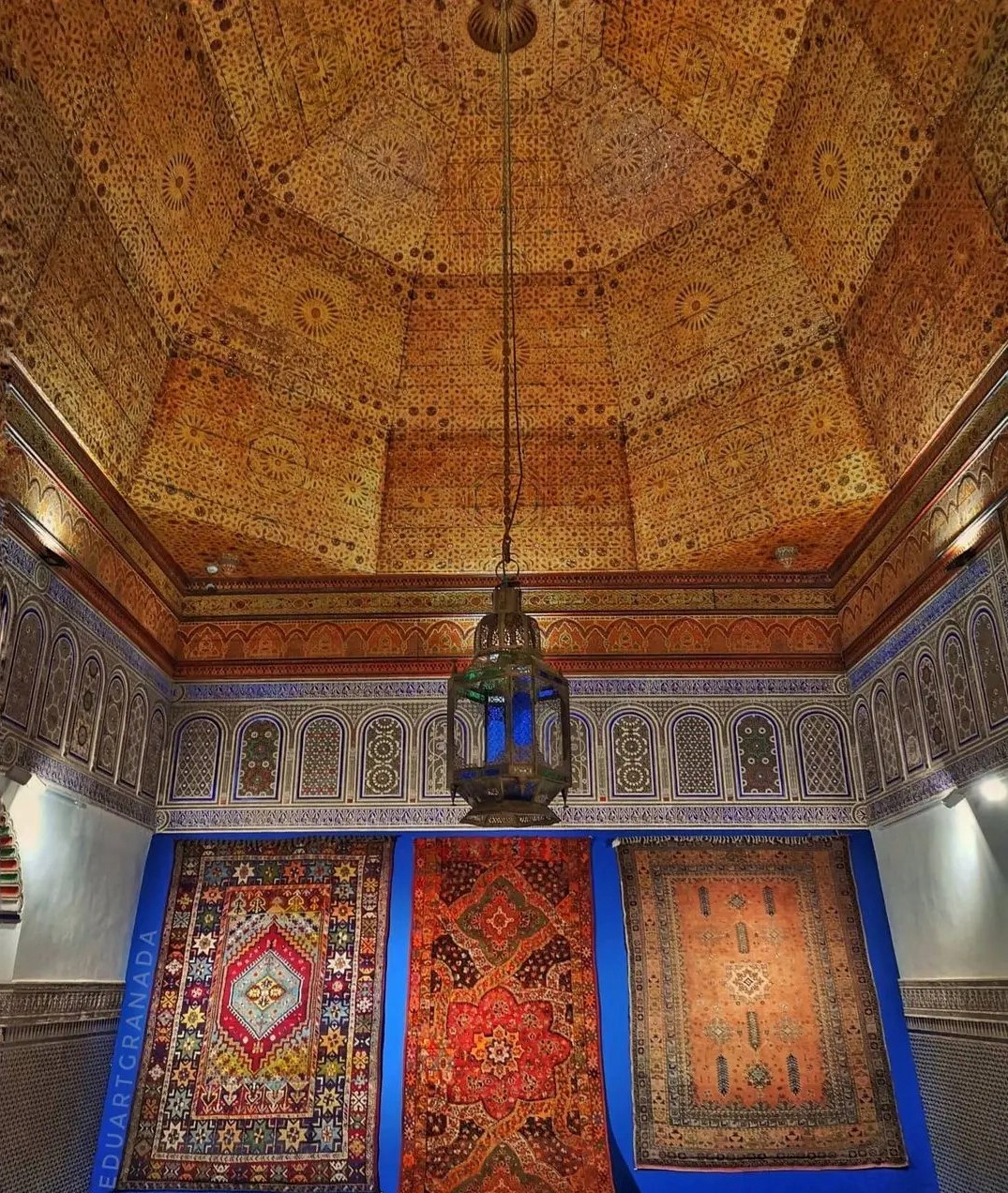
  • Grand Reception Room Ceilings: A magnificent upper-floor ballroom featuring an extraordinary domed ceiling crafted entirely from intricately carved and painted cedar wood.
  • The Carpet Collection: Comprehensive permanent exhibitions showcasing regional distinctions between rugged rural Amazigh (Berber) rugs and fine urban woven textiles.
  • Andalusian-Style Bridal Chair: A beautifully preserved 19th-century ceremonial amariya used to carry brides during wedding processions, serving as one of the museum's most photographed pieces.
  • 10th-Century Marble Basin: A historic antiquity from al-Andalus displaying detailed carvings of eagles and griffins, notable for its rare defiance of traditional Islamic restrictions on depicting living beings.
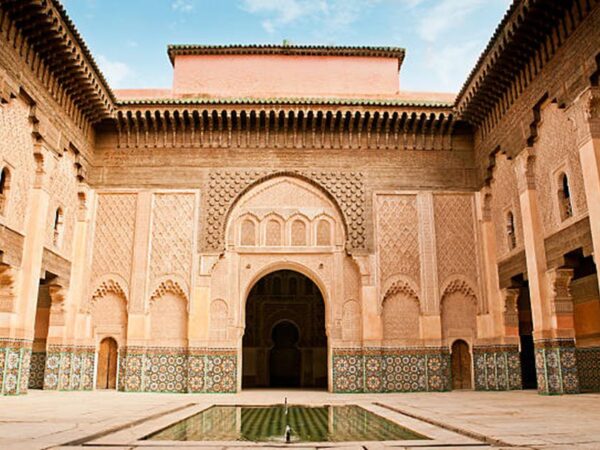
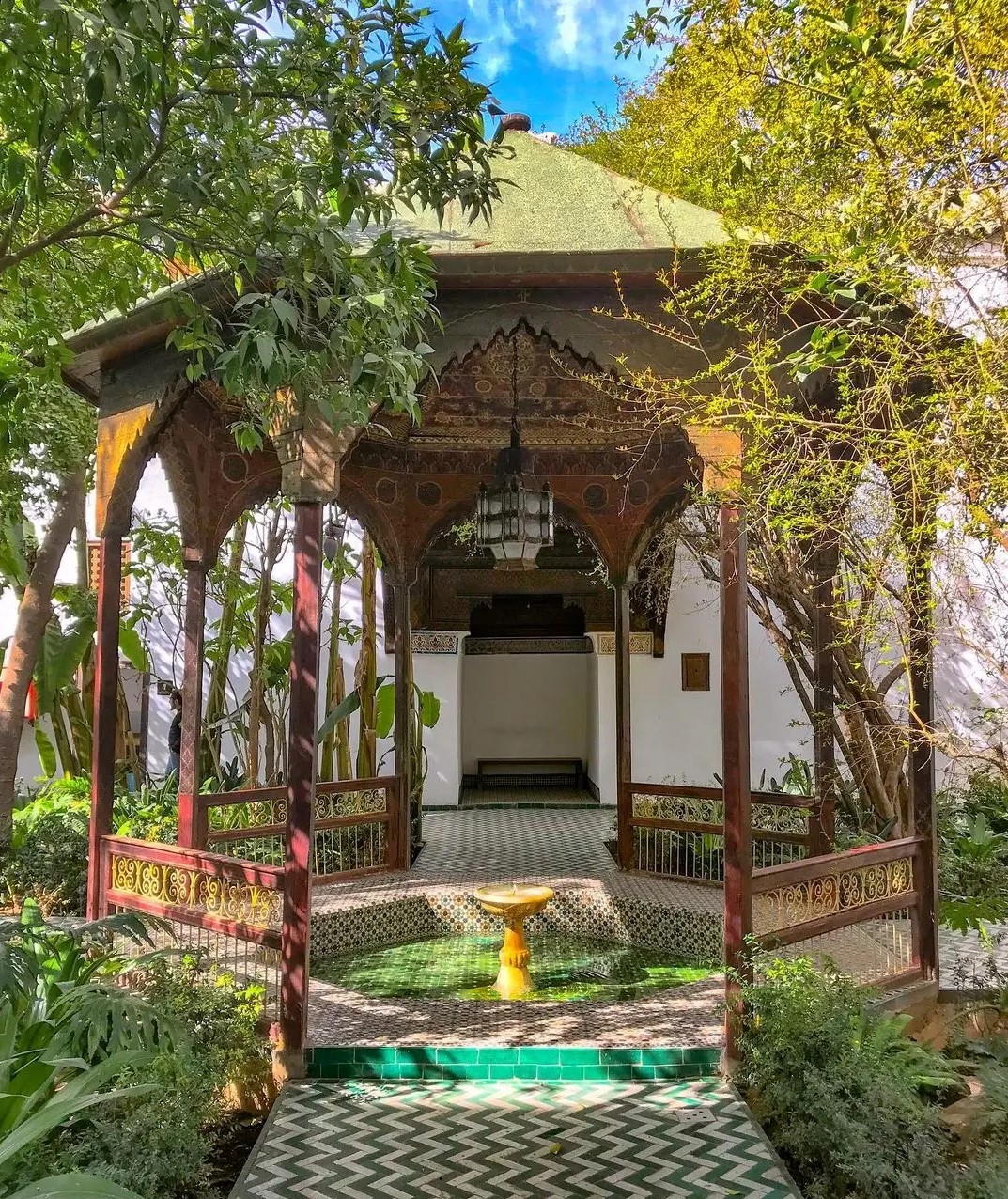
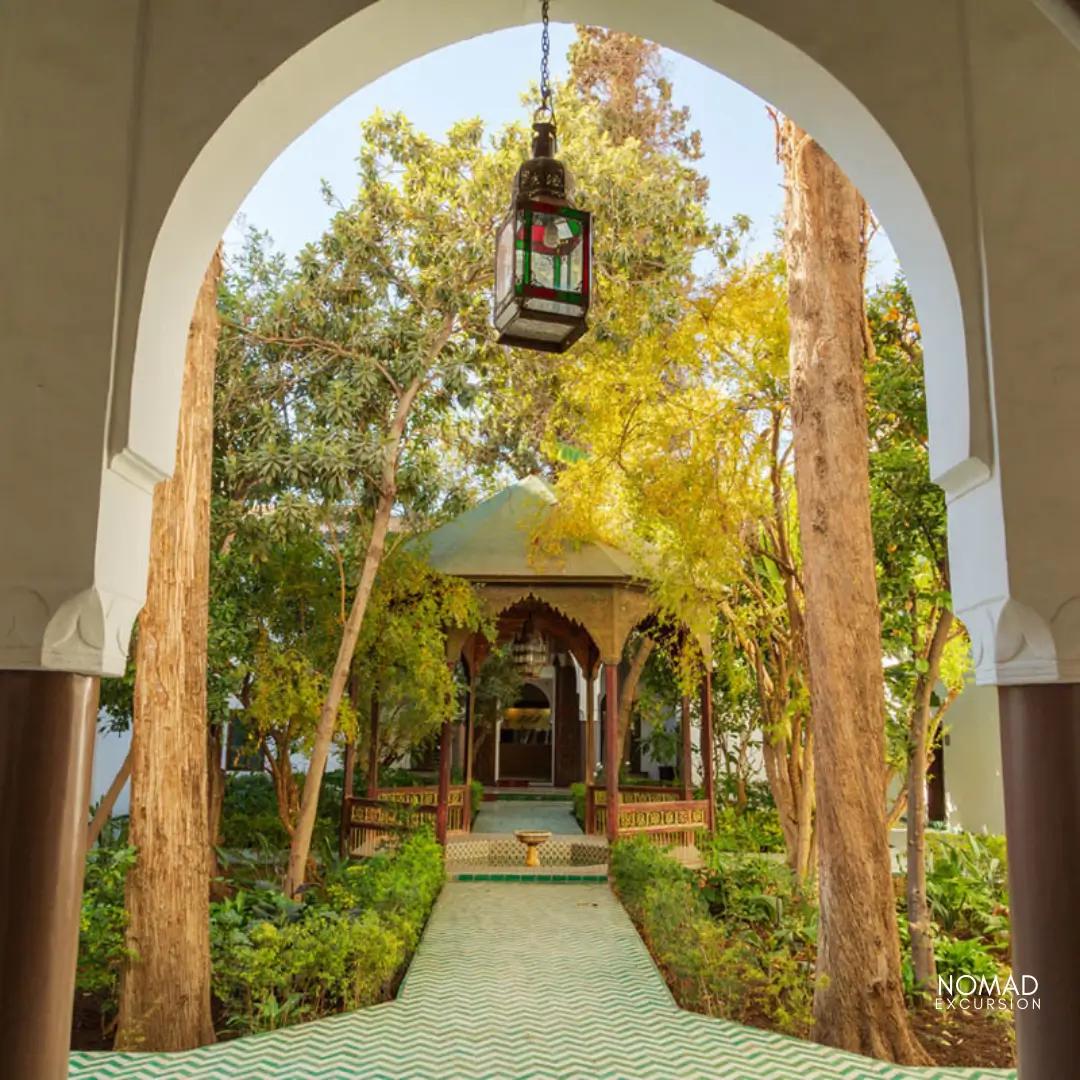
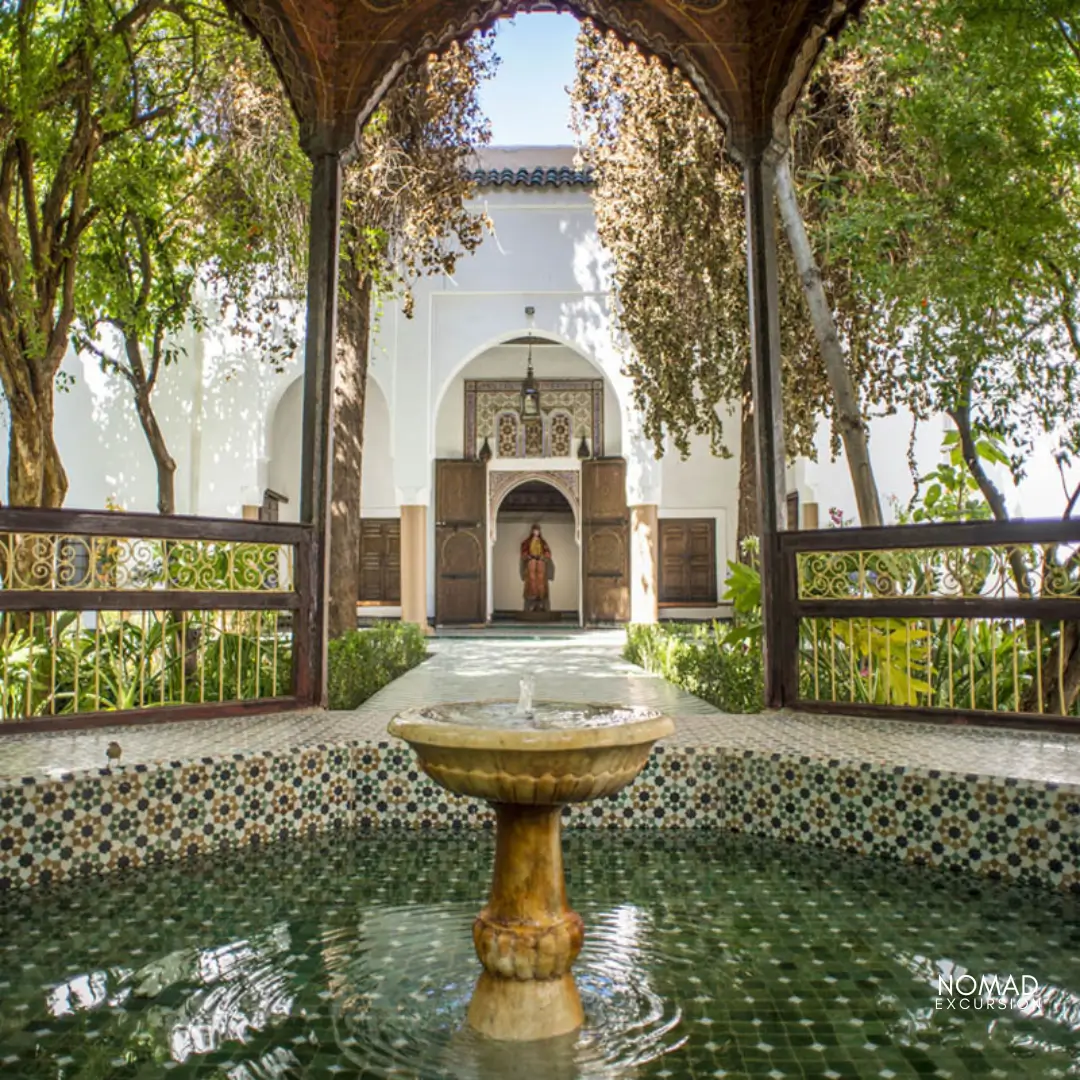
  • Central Courtyard Garden: A serene Andalusian patio filled with green foliage, orange trees, a mosaic fountain, and an elegant carved wooden gazebo.
  • Antique Wooden Ferris Wheel: A primitive, four-seater wooden carnival ride originally used during rural Moroccan moussems (country festivals).
  • Historic Weapons and Safes: Dedicated ground-floor rooms displaying silver-plated daggers, flintlock rifles, and heavily bound 11th-century iron merchant chests.

Includes/Excludes

  • Shared tour
  • Hotel pickup and drop-off
  • Food

Cancellation policy

You can cancel up to 24 hours in advance of the experience for a full refund.

Frequently asked questions

What are the opening hours and ticket costs?

The museum is generally open from 10:00 AM to 6:00 PM, but stays strictly closed on Tuesdays. Standard adult tickets cost roughly 30 to 70 Moroccan Dirhams (MAD). Note: The palace is currently undergoing rehabilitation works and is temporarily closed to the public; check operational status before heading out.

Is the building accessible for visitors with limited mobility?

Accessibility is unfortunately highly limited throughout this historic venue. While the lower outdoor courtyards are relatively flat, navigating the museum's prized upper galleries requires climbing narrow, steep, and uneven palace staircases.

What to bring

Small cash denominations (Dirhams)
Modest clothing that covers your shoulders and knees to show respect for local cultural and religious norms.
Comfortable Footwear
A Camera or Smartphone

You might also like...

Related Articles