
Koutoubia Mosque

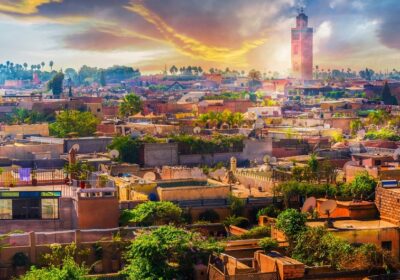
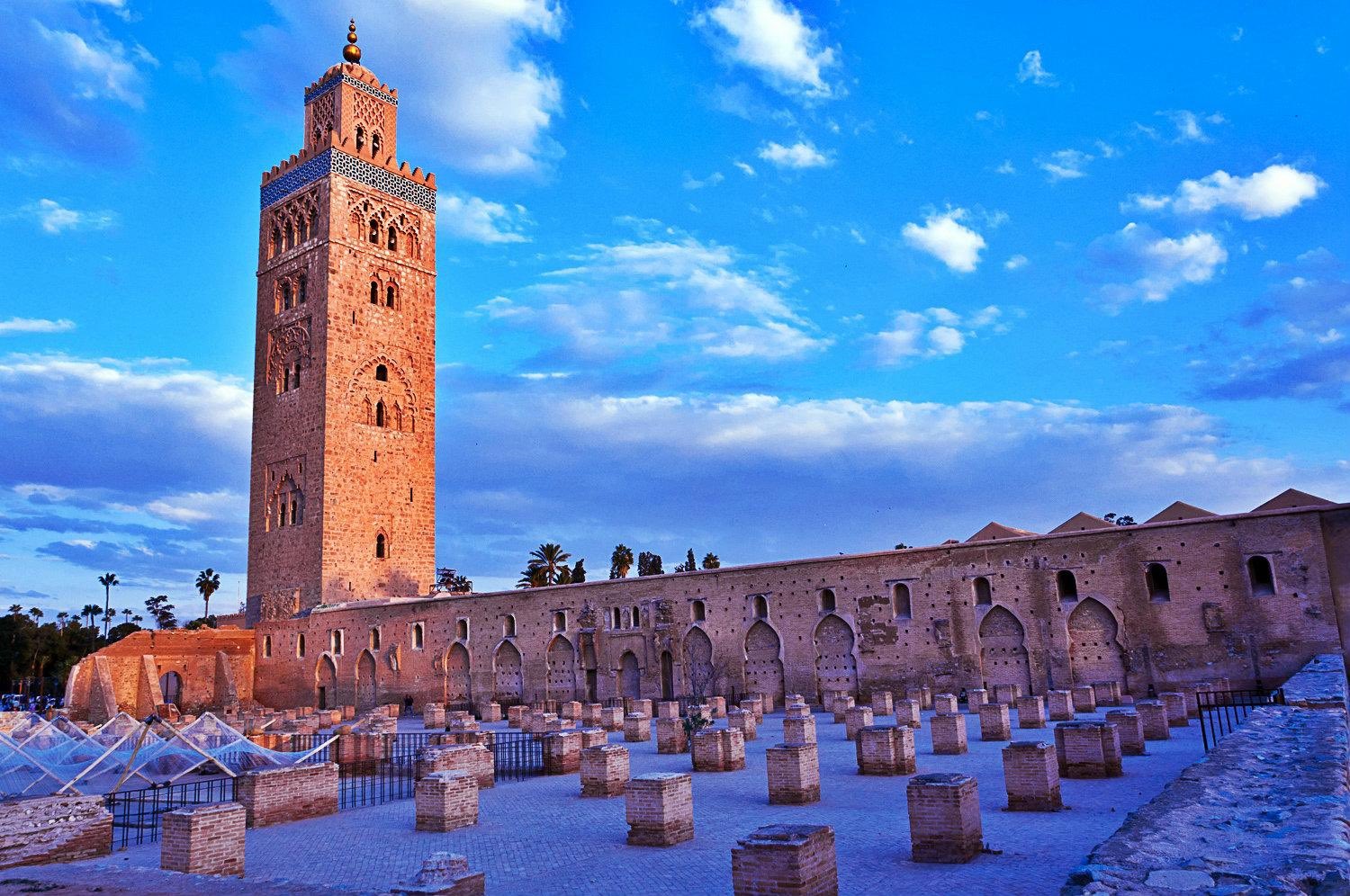
Aerial view of the Koutoubia Mosque in Marrakech

Koutoubia Mosque

Loading available options...

Overview

  • Duration:4 hours 30 minutes
  • Travelers:5 guests
  • Tour Type:Culture & Landmark, Daily tour, Group tour, Private tour
  • Language:English
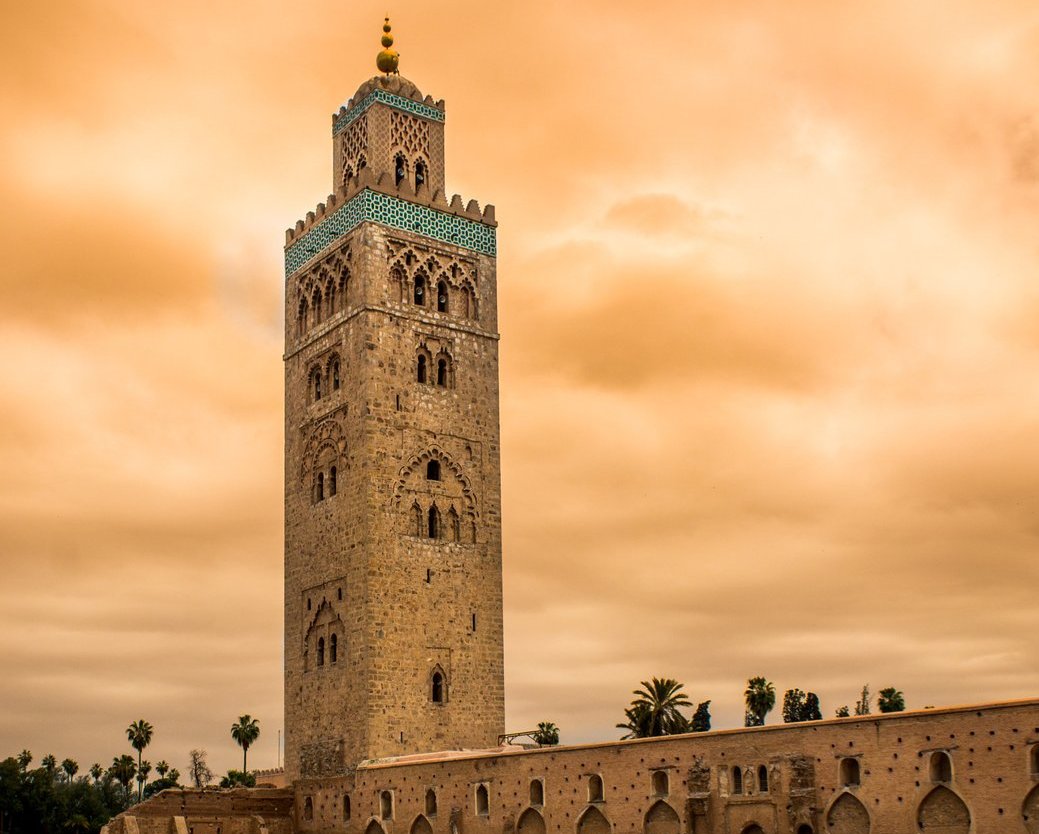
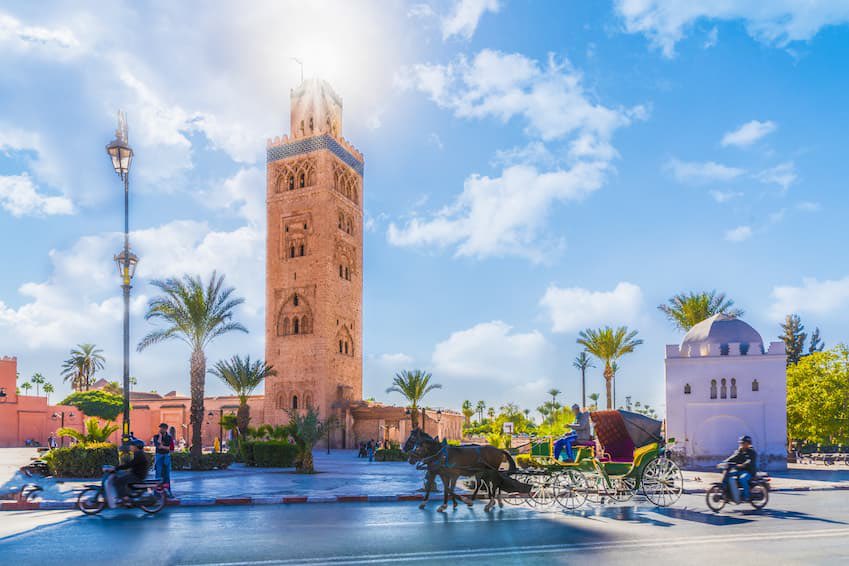
The Koutoubia Mosque (Mosquée de la Koutoubia) is the largest mosque and most iconic landmark in Marrakech, Morocco. Founded in 1147 by the Almohad Caliphate, the initial structure was completely rebuilt in 1158 due to a misalignment in its orientation toward Mecca. The name "Koutoubia" originates from the Arabic word for "bookseller" (kutubiyyin), referencing the bustling manuscript and book market that historically surrounded its base. Crowned by a magnificent 77-meter-tall minaret, this masterpiece of Almohad and Moorish architecture served as the structural blueprint for Seville's Giralda and Rabat's Hassan Tower.

Why You Should Visit

You should visit the Koutoubia Mosque to witness the awe-inspiring architectural anchor that has defined Marrakech's skyline for over 800 years. As a city ordinance prevents any building from being taller than a palm tree or the mosque's minaret, it remains an unparalleled visual compass for navigating the historic medina. While the interior prayer hall is strictly closed to non-Muslims, exploring the perimeter allows you to admire the masterful pink sandstone masonry, intricate geometric brickwork, and jagged keyhole arches up close.
Read more

Highlights

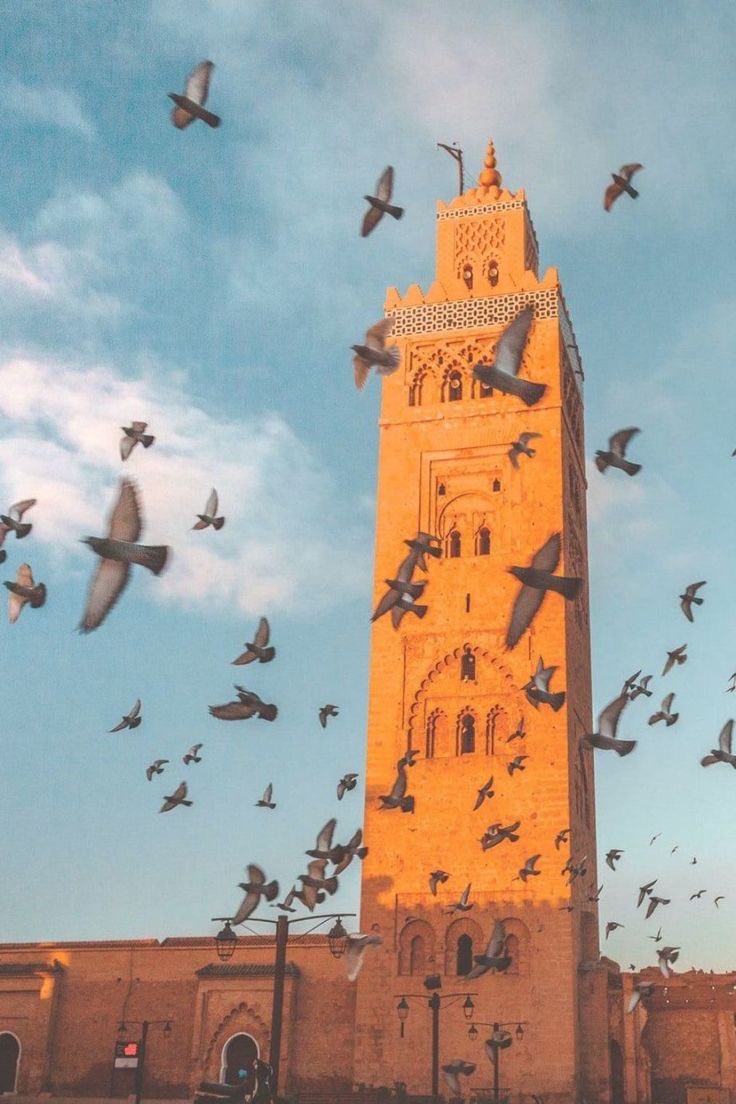
  • The Great Minaret: A stunning, 77-meter-tall sandstone tower decorated with alternating geometric patterns, pointed arches, and a band of vibrant turquoise ceramic tiles.
  • The Golden Spheres: The pinnacle of the minaret featuring a decorative spire holding three large copper spheres, historically rumored to be made of pure gold from a sultan's wife's melted jewelry.
  • Ruins of the First Mosque: An open-air archaeological layout on the northern side displaying the intact stone pillars and foundational footprints of the original 1147 Almohad structure.
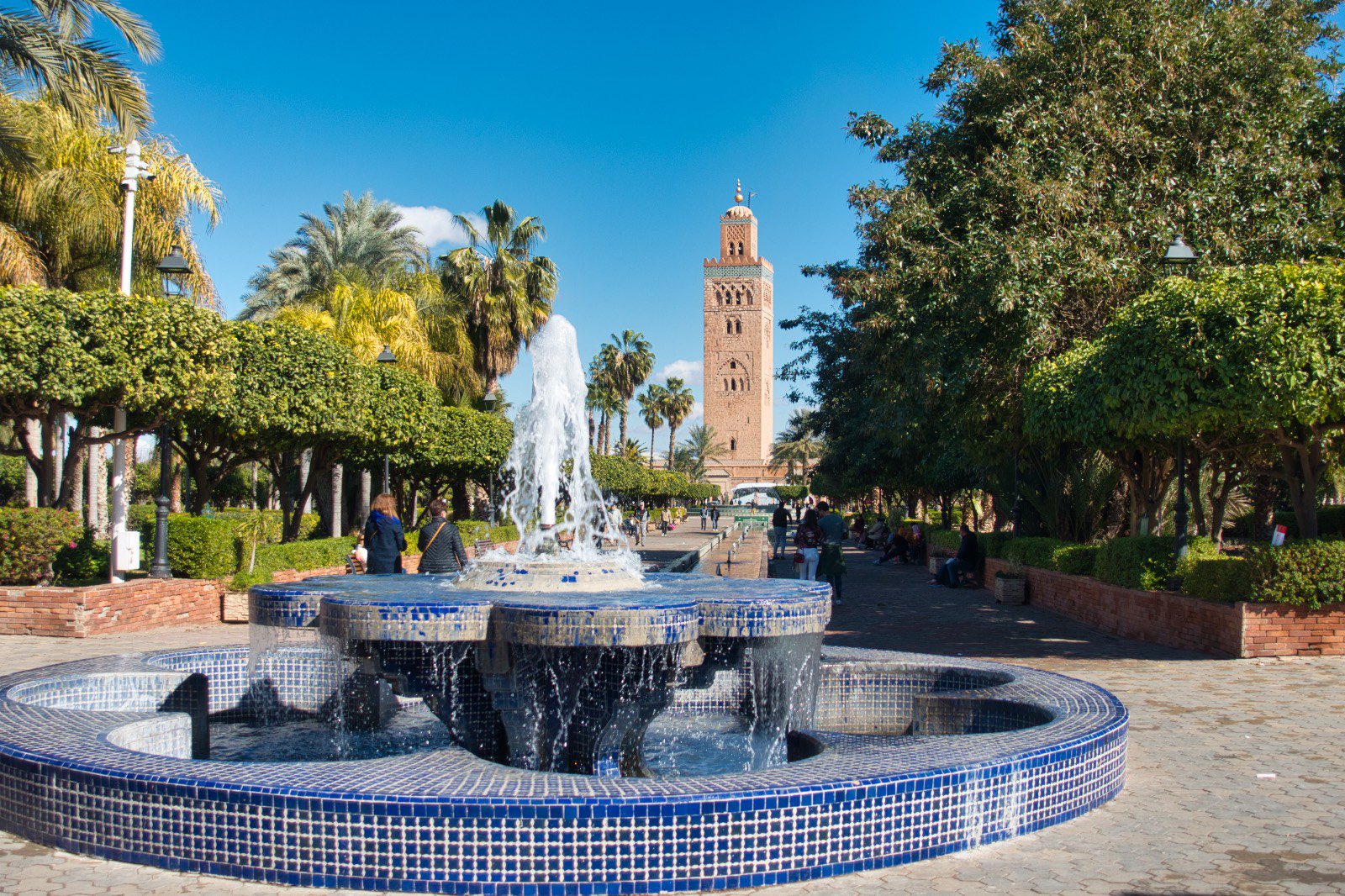
  • Koutoubia Gardens (Lalla Hasna Park): A beautifully manicured park filled with symmetrical walkways, rose bushes, orange trees, and mosaic fountains providing the ultimate photo backdrop.
  • The Almohad Pulpit (Minbar): A legendary, intricately carved 12th-century wooden minbar made of cedar and ebony inlaid with ivory—originally housed here, now displayed nearby at the El Badi Palace.
  • The Almoravid Cistern: An ancient subterranean water reservoir located on the mosque grounds, historically used to supply water for the mosque's extensive ablution facilities.

Includes/Excludes

  • Shared tour
  • Hotel pickup and drop-off
  • Food

Cancellation policy

You can cancel up to 24 hours in advance of the experience for a full refund.

Frequently asked questions

Can non-Muslims enter the mosque?

No, the interior prayer hall is an active, sacred place of worship and is strictly closed to non-Muslim visitors. However, anyone is completely free to walk around the exterior grounds, archaeological ruins, and the public gardens.

When is the best time to visit?

The ideal time to visit is just before sunset. The evening light illuminates the rose-tinted sandstone beautifully, and you can stay to experience the powerful atmosphere of the Maghrib (sunset) Call to Prayer.

What to bring

Cash denominations (Dirhams)
Modest clothing that covers your shoulders and knees to show respect for local cultural and religious norms.
Comfortable Footwear
A Camera or Smartphone

You might also like...

Related Articles