



Table of Contents
Fun fact: Marrakech is the most visited city in Morocco and North Africa as a whole. It’s one of the world’s most popular travel destinations.
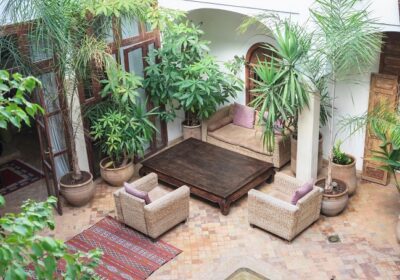
Marrakech (or “Marrakesh”) is known for its “organized chaos.” This city grabs your attention from the first moment you step in. One street smells of fresh mint tea. The next fills the air with spices that have been traded here for centuries. Mopeds weave through narrow lanes and bustling souks. And from across some streets away, a call to prayer drifts across old rooftops. Quiet riads hide behind simple wooden doors while hundreds of people pass outside without even noticing them.
The whole experience adds to Marrakech’s charm, and it’s the reason why millions of tourists visit this city every year.
Planning to visit Marrakech, Morocco? This Marrakech travel guide was created just for you. It will help first-time visitors and returning travelers enjoy the city with confidence. It covers where to stay, what to eat, how to get around, common mistakes to avoid, hidden places, local customs, realistic budgets, and practical advice that makes a real difference once you land.

Why Marrakech Remains One of Africa’s Most Visited Cities
Marrakech is nicknamed the “Red City” for its distinct sandstone walls. Few African cities attract international visitors throughout the year quite like Marrakech, and of course, for good reasons.
The weather here is pleasant for much of the year. Direct flights connect Marrakech with dozens of cities across Europe, the Middle East, and North America.
You can find dozens of luxury hotels and centuries-old riads. Riads are one of the pearls of Marrakech.
Most visitors spend the morning exploring a UNESCO-listed medina, relax in a luxury spa during the afternoon, and watch the sunset from a rooftop overlooking the city’s red buildings before ending the day in the desert.
Marrakech also works well for different kinds of travelers.
Couples find romantic riads tucked inside quiet alleys blissful.
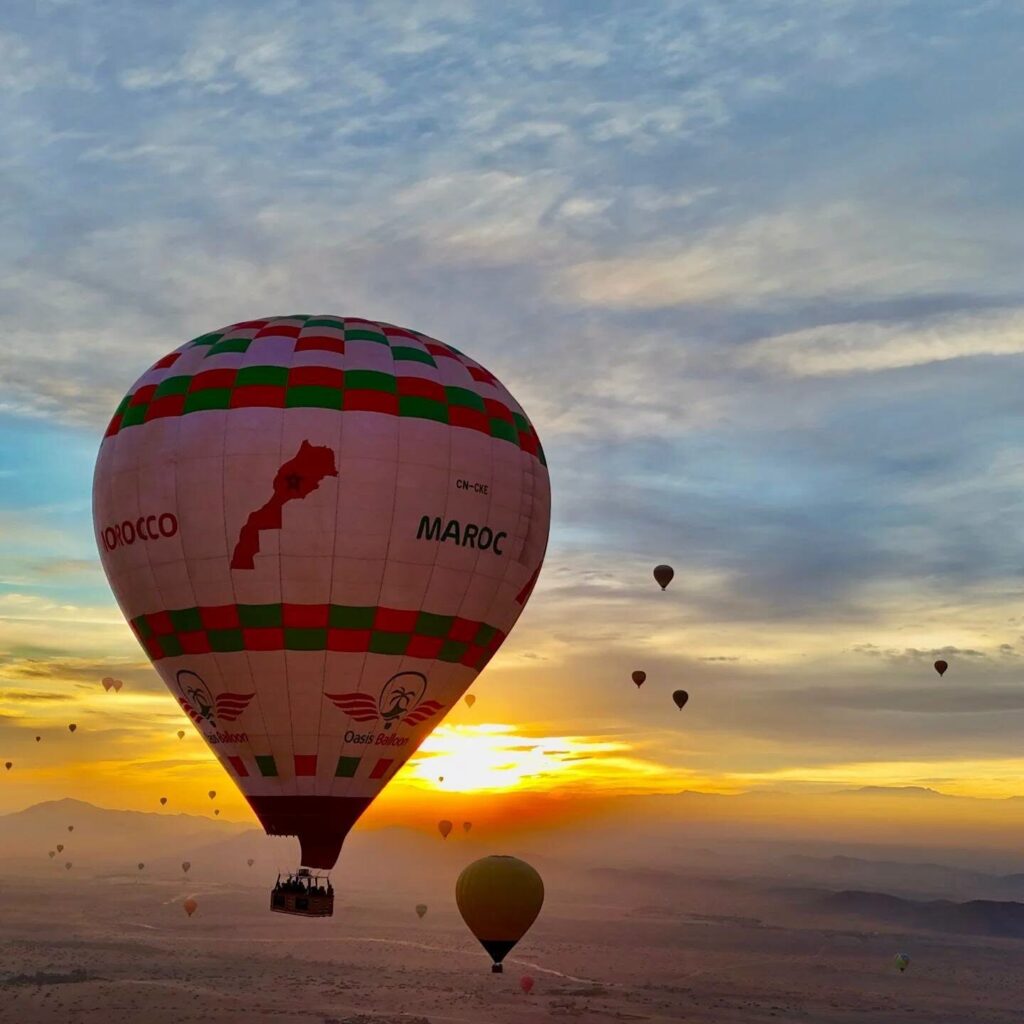
Families enjoy gardens, museums, water parks, hot-air balloon trips, and camel rides.
Read: 25 Unusual Things to Do in Marrakech (A Tourist’s Pocket Guide)
Food lovers can spend days trying traditional Moroccan dishes and fine dining.
Photographers rarely run out of beautiful scenes.
If you are a digital nomad or a remote worker, there are a good number of cafés and coworking spaces with reliable internet.
Another reason people keep returning is that no two visits feel exactly the same.
For example, a different alley can lead to another courtyard. A small door can open up into an art gallery. What’s more, a local can point you towards a café that never appeared in your travel research.
For real!
Marrakech constantly rewards curiosity. There is a reason this city is Morocco’s leading tourist destination.
Marrakech Tourist Numbers
Marrakech, Morocco, pulled in roughly 4.86 million arrivals and 13.6 million overnight stays in several hotels in 2025. The city recorded 5 million overnight stays in the first half of 2025, a 6% increase from the same period last year, according to Morocco’s Tourism Observatory. This is over 30% of all domestic and international overnight stays in Morocco. Average occupancy rates hover between 71% and 72%, leading all destinations nationwide.
What Makes Marrakech Different from Casablanca, Rabat, Tangier and Fez?
Every major Moroccan city has its own personality.
Marrakech feels energetic. It is located in central Morocco near the foothills of the Atlas Mountains.
Casablanca is more modern and business-focused.
Rabat is quite on the organized, elegant, and political side.
Tangier mixes Europe and Africa in a way few cities can.
Fez offers perhaps Morocco’s deepest historical experience.
Here’s how they compare.
| City | Best Known For |
| Marrakech | Markets, riads, gardens, nightlife, luxury hotels, desert excursions |
| Casablanca | Business district, Hassan II Mosque, shopping malls, oceanfront |
| Rabat | Government buildings, museums, clean streets, relaxed atmosphere |
| Fez | Ancient medina, traditional craftsmanship, medieval history |
| Tangier | Mediterranean beaches, cafés, artistic history, coastal scenery |
Many travelers visit several Moroccan cities during one trip.
Still, Marrakech often becomes the highlight because it offers a combination of so many experiences you can seldom find elsewhere.
Is Marrakech Worth Visiting in 2026?
Absolutely!
Marrakech continues to invest heavily in tourism while preserving much of its historic essence.
New luxury hotels continue to open, and more boutique riads are being restored.
International airlines have expanded routes into Marrakech Menara Airport, making the city easier to reach than ever before.
You won’t have problems using digital payments, although cash remains essential in traditional markets.
Tour operators now offer experiences ranging from sunrise hot-air balloon rides to cooking classes, photography walks, quad biking, horseback riding, and overnight luxury desert camps.
For travelers planning a Morocco itinerary in 2026, Marrakech remains one of the easiest places to begin.
The “Organized Chaos” You Should Expect
Nothing prepares you for the “organized chaos!”
Marrakech has its own rhythm.
The Medina isn’t built like modern cities. Its streets twist in every direction, and Google Maps occasionally loses accuracy.
Motorcycles may appear behind you with little warning.
Shopkeepers greet people throughout the day.
You will find charlatans and street performers attracting crowds within minutes.
Somewhere through narrow alleys, you can find donkeys moving goods where delivery trucks simply cannot fit.
For newcomers, everything can feel busy. But after a day or two, that same energy starts making sense.
Key Facts About Marrakech
| Fact | Information |
| Country | Morocco |
| Region | Marrakesh-Safi |
| Population | Around 1.1 million |
| Nickname | The Red City |
| Elevation | Approximately 466 meters |
| Currency | Moroccan Dirham (MAD) |
| Language | Arabic and Amazigh (Berber) |
| Widely Spoken | French and English in tourist areas |
| Time Zone | GMT+1 |
| International Airport | Marrakech Menara Airport (RAK) |
| UNESCO Site | Medina of Marrakech |
Why Millions of Tourists Visit Marrakech Every Year
Marrakech appeals to many different travel styles. Here you can find luxury, history, beauty, and experience Moroccan Berber culture firsthand. What’s even more mind-blowing is the fact that everyday life in Marrakech feels so unusually chaotic in a pleasant type of way.
The city’s popularity comes from the variety of experiences packed into one destination.
Key Attractions in Marrakech that Attract Millions of Tourists Every Year
Jemaa el-Fnaa: The main square and the heartbeat of the medina. Food stalls, musicians, storytellers, and snake charmers fill it every evening.
Bahia Palace: (meaning “Palace of Brilliance”) is a sprawling 19th-century complex that shows off 19th-century Moroccan craftsmanship at its finest, all carved cedar and zellige tile.
Jardin Majorelle: A cobalt-blue garden once owned by Yves Saint Laurent, now one of the most photographed spots in the city.
Koutoubia Mosque: The largest mosque in Marrakech. It’s a beautiful medieval masterpiece that anchors the skyline. You can’t enter as a non-Muslim, but the exterior and gardens are worth the walk.
Dar El Bacha: (meaning “House of the Pasha”) is a magnificent early 20th-century palace located in the historic medina of Marrakesh, Morocco. It is famous for its legendary Bacha Coffee, museum, and outdoor dining experiences.
Marrakech Souks: They comprise a sprawling, historical network of lively open-air marketplaces woven deeply into the northern medina of Marrakech, Morocco. One of the most popular attractions in Marrakech.
Ben Youssef Madrasa: A breathtaking historical Islamic college located in the heart of the old medina of Marrakech, Morocco.
El Badi Palace: (meaning “The Incomparable Palace”) is a historic landmark comprising the majestic sandstone ruins of a 16th-century palace complex in the southern medina of Marrakesh, Morocco.
The Saadian Tombs: A historic royal necropolis dating back to the late 16th century, located behind the Kasbah Mosque in the southern royal citadel district of Marrakesh, Morocco.
Agafay Desert: Offers rocky desert scenery, luxury camps, camel rides, stargazing, and sunset dinners.
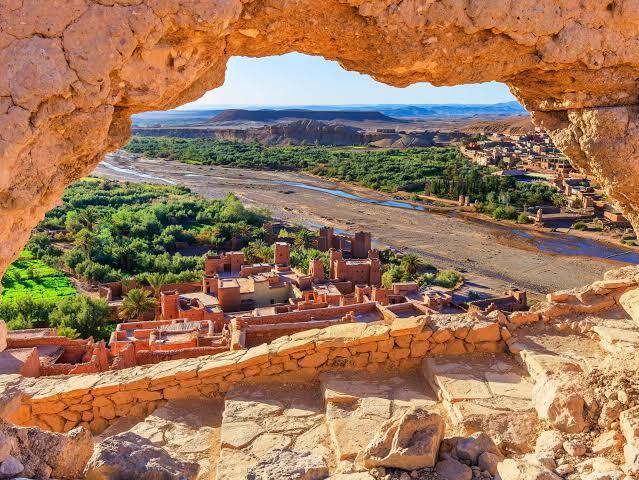
Atlas Mountain: Visitors explore waterfalls, valleys, Berber villages, hiking trails, and scenic mountain roads.
You May Also Like:
10 Stunning Instagram-Worthy Places in Marrakech You Should Never Miss
15 Breathtaking Heritage Sites in Marrakech You Should Never Miss
Top 7 Beautiful Gardens in Marrakech Like Jardin Majorelle
Best Time to Visit Marrakech
Spring (March to May) and fall (September to November) offer the mildest weather, in the low-to-mid 20s°C, and are the best all-round windows to visit. Flowers bloom across the city’s gardens, and the Atlas Mountains still hold traces of snow, creating beautiful scenery.
Summer (June to August) is brutally hot, often past 38°C. Visitors who don’t mind the heat often benefit from lower hotel prices.
Autumn (September to November) offers another excellent travel window. The heat gradually eases, making city walks much more comfortable. Restaurants, rooftop terraces, and outdoor attractions become busy again. Average temperature: 22–33°C (72–91°F).
Winter (December to February) is mild by day and cold at night, especially in the medina’s stone riads with open courtyards. A light jacket becomes useful after sunset. Average daytime temperature: 18–22°C (64–72°F). Winter also attracts visitors escaping colder climates.
How Many Days Should You Stay in Marrakech?
Three days or more covers it properly. Two days for the Medina and its major sites, one day for a Palmeraie excursion, and one or two more for a desert or Atlas Mountains day trip. Anything under three days will leave you rushing.
A longer stay (say one or more weeks) works well for remote workers and travelers using Marrakech as a base to explore Morocco.
Nearby destinations include:
- Essaouira
- Ouarzazate
- Atlas Mountains
- Agafay Desert
- Ourika Valley
Entry Requirements
Visa
Most Western travelers, including citizens of the EU, UK, US, Canada, and Australia, get a 90-day visa-free stay with just a valid passport. Some nationalities need a visa or eVisa in advance, so check with a Moroccan consulate online or offline before booking if you’re unsure.
Passport
Your passport should be valid for at least six months beyond your departure date from Morocco. Airlines will sometimes deny boarding if this isn’t met. Damaged passports may create unnecessary delays.
Travel insurance
It is not mandatory for entry, but you probably shouldn’t skip it. A good policy should cover:
- Medical treatment
- Trip cancellation
- Lost baggage
- Flight delays
- Emergency evacuation
Vaccinations
There are no mandatory vaccinations for standard tourist entry into Marrakech. Travelers arriving from countries affected by yellow fever may need to present a vaccination certificate.
Customs
Standard rules apply. Declare large sums of cash, don’t bring in prohibited items like drones without checking regulations first, and keep receipts for anything valuable you’re carrying in.
Airport Procedures
Upon arrival, expect:
- Passport control
- Immigration questions
- Baggage collection
- Customs inspection
- Exit into the arrivals hall
You should complete the process smoothly, although busy periods can increase waiting times by up to an hour or more.
Marrakech Menara Airport Guide
Arrival process
Marrakech Menara Airport (RAK) is Morocco’s second-busiest, handling around 6 million passengers a year. It’s compact. You’ll walk from the gate to the arrivals hall in about five minutes, then queue for passport control, collect your bags from a single carousel, and clear a customs scanner before reaching the main arrivals area.
SIM cards
Maroc Telecom, Orange, and Inwi all have counters in the arrivals area. Bring your passport for registration. A tourist package with 10 to 20GB of data typically costs 100 to 200 MAD and is valid for around 30 days. Maroc Telecom tends to have the best rural and Sahara coverage; Orange edges it for city speed. eSIMs from providers like Airalo also work well if your phone supports them, and activating one before you land saves a queue.
ATMs
You’ll find several bank ATMs in the arrivals hall, with withdrawal limits usually between 2,000 and 4,000 MAD per transaction and a fee of around 30 to 40 MAD. Withdraw a larger amount in one go to avoid paying that fee repeatedly. You can use your credit cards in some upscale locations, although Marrakech is mostly a cash-based city.
Currency exchange
You can find a regulated exchange bureau close to customs, with rates close to what you’ll find in the city. ATMs generally beat exchange counters on rate, so use the bureau only for a small amount to cover your first taxi and meal.
Taxi scams
This is where most first-timers get caught out. Petit taxis sometimes “forget” to turn on the meter and quote three to five times the real fare, especially right outside arrivals. Insist on the meter, or agree on a price before you get in. A ride into central Marrakech should cost roughly 15 to 30 MAD by meter, unless you’re going for something relatively luxurious. If your accommodation offers airport transfers, you will find that option less stressful.
Uber alternatives
Uber doesn’t operate in Marrakech in any reliable form. Careem and inDrive both work in the city and let you lock in a price before the ride starts, which sidesteps most of the meter drama.
Car rentals
You will find rental desks in the arrival hall, with the usual global brands represented. Driving in the city itself isn’t worth the stress; save the rental for a mountain or coastal day trip. A foreign license is valid for up to three months.
What to Wear in Marrakech
There is no strict dress code in Marrakech, but when packing, you should choose looser fabrics that cover your shoulders and knees to avoid unpleasant attention. If you don’t have such outfits, you can buy them at the souks when you touch down in Marrakech. Morocco is a tourism hotspot, but it remains quite conservative, being a Muslim-majority country. Also, dressing respectfully ensures that you have unrestricted access to revered and historic sites.
Is Marrakech Child-Friendly?
Yes, Marrakech is highly child-friendly. In fact, Moroccan culture is incredibly welcoming to children, and locals will frequently go out of their way to greet, smile at, and accommodate young travelers. However, the old city can run at a fast pace—narrow streets, sweltering heat, and crowds can be overwhelming if you are unprepared. Planning to visit Morocco with a child under 10 years old? You should totally avoid coming during the extreme summer heat.
Transportation in Marrakech
Getting around Marrakech is easier than you think. The city offers several options, each suited to different situations.
Walking
Walking remains the best way to experience the Medina. Many streets are simply too narrow for cars. You will need comfortable shoes for a full day of exploring.
Petit Taxis
These are small taxis that operate within the city. They are inexpensive for short trips. Carry cash, as most drivers don’t accept card payments.
Horse Carriages (Caleches)
Horse-drawn carriages remain one of Marrakech’s classic experiences. They work particularly well for relaxed evening rides around the old city walls.
Always agree on the price before the ride begins.

Public Buses
Public buses connect many parts of Marrakech. They cost very little but may feel confusing for first-time visitors.
Tourist Buses
Hop-on, hop-off sightseeing buses stop at many major attractions. They’re useful during short visits when time matters.
Private Drivers
Hiring a driver for a day becomes worthwhile if you plan to visit several attractions outside the city. Many hotels can arrange trusted drivers. Or you can find your own.
Where to Stay in Marrakech
Riads
Riads are Marrakech’s signature accommodation. From the street, they often appear plain. Step inside, and you’ll discover peaceful courtyards, fountains, gardens, and rooftop terraces with beautiful Moroccan design.
For many visitors, staying in a riad becomes one of the highlights of the trip.

Read: 18 Best Riads in Marrakech With Rooftop Terraces
Hotels
Modern hotels suit travelers looking for familiar comforts. Many include swimming pools, gyms, multiple restaurants, free WI-FI, concierge services, business facilities, and lots more. You can find good hotels in popular districts like Gueliz, Hivernage, and Palmeraie.

Luxury Resorts
Marrakech has earned a global reputation for luxury hospitality. Many resorts feature private villas, swimming pools, golf courses, world-class spas, fine dining, desert views, and shuttle services to the Medina.
These luxury resorts offer a different kind of vibe, something more soothing and relaxing; a home-away-from-home experience.
Best Things to Do in Marrakech
- Walk the souks without a fixed plan for at least one afternoon.
- Visit a hammam for a proper scrub-down.
- Take a cooking class and learn to make a tagine from scratch.
- Watch the sunset from a rooftop over Jemaa el-Fnaa.
- Spend a half-day at Jardin Majorelle and the neighboring Yves Saint Laurent Museum.
- Book a High Atlas day trip for a change of scenery and cooler air.
Read: 25 Unusual Things to Do in Marrakech (A Tourist’s Pocket Guide)
Some Unpopular Places to Explore
In Marrakech, you should visit Le Jardin Secret; it’s a restored 19th-century garden tucked inside the medina, usually far quieter than Majorelle. Mellah is another one—an old Jewish quarter that has its own spice market and a beautiful synagogue worth visiting.
Maison de la Photographie houses a small but excellent archive of early Moroccan photography, with a rooftop café that most people skip. Cyber Park (Arsat Moulay Abdeslam) is a genuinely peaceful public garden a short walk from the chaos of the medina.
You May Also Like:
10 Most Mysterious Attractions in Marrakech Many Tourists Miss
Top 8 Recreational Parks and Water Attractions in Marrakech
Best Rooftops in Marrakech
You should visit Café des Épices and Nomad—both overlook Jemaa el-Fnaa and serve meals that are truly flavorful. Kosybar gives you sweeping views toward Koutoubia. El Fenn’s rooftop bar is smaller and more design-forward, popular at golden hour. Terrasse des Épices works well for a lower-key coffee stop between souk sessions. Other great stops are Coco Rooftop, Dardar Rooftop, etc.
Marrakech Food Guide
The red city of Marrakech prides itself on its traditional dishes, and one of the most popular is Tagine. It is cooked slowly in a clay pot, also called the same name. Tagine menu is usually chicken with preserved lemon or lamb with prunes and is typically eaten with fresh bread.

Another popular traditional dish is couscous, which is usually served on Fridays. It comes piled with vegetables and meat.
Pastilla is sweet and savory in a way that surprises most first-timers. Flaky pastry wrapped around spiced meat and dusted with sugar and cinnamon.
The popular Jemaa el-Fnaa usually turns into an open-air kitchen every evening. There you will find all kinds of Moroccan traditional dishes. Also, you will find grilled meats, snail soup, harira, and fresh orange juice from the same stalls that have run for generations.
Read: 10 Things to Do in Marrakech for Food Lovers
Marrakech Shopping Guide
Know this: the Souks of Marrakech run on negotiation, not fixed pricing. Sellers typically quote two to three times the real value as an opening offer. You have to learn how to bargain like a local. Start low, around a third of the asking price, and work towards the middle with a smile. No need to show aggression. Walking away is often the fastest way to get a better number thrown at you. Leather, lanterns, rugs, and spices are the classic buys, but check quality closely, especially with leather goods and “genuine” argan oil.
Night Life
Marrakech’s nightlife runs from rooftop lounges to full nightclubs in Hivernage and Gueliz. Théâtro and Pacha are longtime clubbing favorites. Quieter riad bars suit an earlier crowd. Ramadan changes the picture significantly, with many bars and clubs closing or scaling back for the month, so check the dates before you plan a party-heavy trip.
Desert Experiences
Agafay Desert, just 30 to 40 minutes from the city, works well for a half-day or overnight camp without the long drive to the Sahara proper. For the real dunes, Merzouga and the Erg Chebbi region are a full day’s drive or an overnight trip, usually booked as a 2- to 3-day package with camel trek and desert camp included.
Marrakech on Different Budgets
$200/day – Simple Budget: A hostel, shared or basic riad room, street food and local restaurants, walking and petit taxis for transport, souk shopping over boutiques.
$400/day – Comfortable: A well-reviewed riad with a private room and rooftop, a mix of local and mid-range restaurants, an occasional guided tour or hammam visit.
Over $500/day – Luxury: Five-star riads or resorts, fine dining, private drivers, and add-ons like a private desert camp or spa day.
Local Customs (Greetings, Dress Code)
Greet with “Salam” or “Bonjour,” and expect a handshake, though many Moroccan women prefer a nod over physical contact with men they don’t know. Dress modestly, especially in the medina. Shoulders and knees covered go a long way towards blending in and avoiding unwanted attention. Fridays carry extra religious weight, and many shops close for a few hours around midday prayer.
Marrakech is Safe, But…
Marrakech holds the same safety record as much of southern Europe, and violent crime against tourists is rare. The real risks are all petty: pickpocketing in crowds, unofficial “guides” who corner you in the souk and demand payment, henna sellers who grab your hand and try to force their service on you, and snake charmers who’ll ask for money the second you pay attention to their theatrics.
Be careful of the snake charmers!
Decline firmly, keep walking, and don’t feel rude about it. The Brigade Touristique, a dedicated tourist police unit in distinctive uniforms, patrols the medina and Jemaa el-Fnaa and speaks English and French. For emergencies, dial 19 for police or 15 for ambulance services.
Annual Events and Festivals
Marrakech’s calendar is busiest from spring through early summer and again in the fall. The National Festival of Popular Arts lands in July, with folklore performances at El Badi Palace. The Marrakech International Film Festival takes over in November, drawing an international red-carpet crowd. GITEX Africa, a major tech event, runs in spring. Ramadan shifts roughly ten days earlier each year on the Islamic calendar, and it changes daily rhythms noticeably, so check the dates against your travel window before booking.
Frequently Asked Questions (FAQs)
Is it safe to go to Marrakech right now?
Yes, it is safe to visit Marrakech right now. Major international travel advisories maintain standard precautions (such as Level 2 “Exercise Increased Caution” by the US State Department) similar to popular European destinations.
What is not allowed in Marrakech and in Morocco?
Unregistered drone usage is strictly prohibited in Marrakech and will result in confiscation at customs. Drug possession, including cannabis (hashish), carries heavy jail time. Criticizing the King, Islam, or the monarchy is illegal.
Can I drink alcohol in Marrakesh?
Yes, you can drink alcohol in Marrakech, but strict local regulations apply. Alcohol is served legally in licensed tourist restaurants, rooftop bars, hotel lounges, and international supermarkets like Carrefour. However, public drinking or visible intoxication on street pavements and in the ancient Medina is illegal and culturally disrespectful.
Can I wear shorts in Marrakech as a woman?
Yes, women can legally wear shorts in Marrakech, but your location matters. In modern neighborhoods like Guéliz or private hotel resorts, casual Western clothing is common. Inside the historic Medina and traditional souks, wearing loose clothing that covers your shoulders and knees minimizes unwanted attention and shows respect for conservative local customs.
Is Marrakech gay-friendly?
Morocco’s legal code criminalizes same-sex relations under Article 489. LGBTQ+ travel to Marrakech requires discretion. While upscale hotels and private riads rarely inquire about guests’ personal relationships, public displays of affection (PDA) by any couple—gay or straight—are culturally taboo and should be avoided.
What to avoid in Marrakech?
- Unlicensed street guides: Avoid taking directions from strangers in the Medina; they often demand payment or lead you to specific shops.
- Jemaa el-Fna snake charmers: Avoid taking photos of monkeys or snakes without agreeing on a small tip first to prevent aggressive monetary demands.
- Unmetered taxis: Avoid entering taxi cabs without asking the driver to turn on the taximeter (“counter”) before driving.
- Dark alleys late at night: Avoid walking down empty, dimly lit Medina alleyways alone after dark.
How to avoid getting sick in Marrakech?
- Drink bottled water: Use sealed bottled water for drinking and mouth rinsing; avoid ice cubes from small street stalls.
- Eat cooked street food: Choose busy food stalls in Jemaa el-Fna where meat is cooked thoroughly at high heat directly in front of you.
- Wash hands frequently: Carry an alcohol-based hand sanitizer everywhere, especially after handling cash paper dirhams.
- Peel your fresh fruit: Eat fruit you can peel yourself, like oranges and bananas, rather than pre-cut street fruits.
What not to do as a tourist in Marrakech?
- Don’t accept unsolicited help: Politely say “La, Shukran” (“No, thank you”) and keep walking if someone offers unprompted directions.
- Don’t take photos of people without permission: Always ask before photographing local street vendors or performers.
- Don’t pay full price immediately: Never accept the first quoted price in the souks; negotiate friendly for the best deal.
- Don’t eat or drink publicly during Ramadan: Respect local religious fasts by consuming food in private or inside open tourist venues.
See You in Marrakech
This Marrakech travel guide covers the essentials, from entry paperwork to rooftop dinners, but the city fills in the rest once you’re actually walking its streets. The experience is simply worth seeing for yourself. Book that riad or hotel, learn a few words of Arabic greetings, and let Marrakech do what it does best.
Before booking that trip, use TripMe to plan your trip.
See you in Marrakech!
Also Read:
Why Morocco is the Most Visited Country in Africa