


Table of Contents
Morocco welcomed 19.8 million tourists in 2025, a record number that put the country firmly at the top of Africa’s tourism table. Visitor arrivals grew by 14% from the previous year, and Morocco climbed to 22nd in the world for international tourist arrivals.
But why does Morocco attract more visitors than almost every other destination on the continent? Why do people fly from Paris, London, Madrid, New York, Dubai, etc., to wander through its old medinas, sleep in desert camps, and eat tagine from a rooftop or roadside restaurant?
The answer is right in front of us: it’s simply in the way Morocco has put many different travel experiences under one premier destination.
You can arrive in Morocco and wander centuries-old medina, drive towards the Atlas Mountains in the afternoon, and find yourself beneath a completely different sky in the Sahara a few hours later. You can surf on the Atlantic coast, ski in the mountains, shop for handmade carpets and adornments, relax in a hammam, and finish the day in a luxury riad.
That range of experience, right there, is a big part of why Morocco is the most visited country in Africa.
History of Morocco and Its Culture
Morocco’s history goes back thousands of years. Phoenician traders landed on its coast centuries before Rome existed. Amazigh (Berber) kingdoms ruled the interior long before Arab dynasties arrived in the seventh century. Andalusian refugees brought their architecture and their music after the fall of Granada. French and Spanish protectorates left roads, railways, and café culture behind when they withdrew in 1956. You can still feel every one of those layers today.
A single afternoon in Fes or Marrakech moves you through Amazigh weaving traditions, Andalusian tile work, Arab-Islamic calligraphy, and French colonial boulevards, sometimes within the same city block. Few countries display their history this openly. Morocco doesn’t hide it in a museum. It lives in the medina walls, the mint tea ritual, the souks, and the geometry carved into doors well over a hundred years old.
Islam arrived in Morocco in the 7th century, and Islamic culture went on to shape the country’s architecture, scholarship, cities, and daily life.
This historical identity is the foundation on which everything else in Morocco is built.
Morocco’s Tourism Diversity Is Unmatched
Here’s the biggest reason Morocco leads Africa in tourism. It doesn’t depend on a specific type of traveler or trip. In one country, visitors can experience:
- Ancient medinas
- Sahara Desert Adventures
- Atlantic and Mediterranean beaches
- Mountains and hiking
- Luxury resorts
- Berber/Amazigh culture
- Islamic architecture
- Food and culinary tourism
- Shopping and souks
- Wellness and hammams
- Adventure tourism
- Surfing
- Skiing
- Festivals and nightlife
- Film locations
- Luxury desert camps
That’s why you can easily find families, backpackers, luxury travelers, honeymooners, adventure seekers, foodies, photographers, and cultural tourists taking flights to several Moroccan cities. It’s an experience you just need to see for yourself.
Going Somewhere? Use TripMe to Plan Your Trip Now
Most Visited Cities in Morocco
1. Marrakech
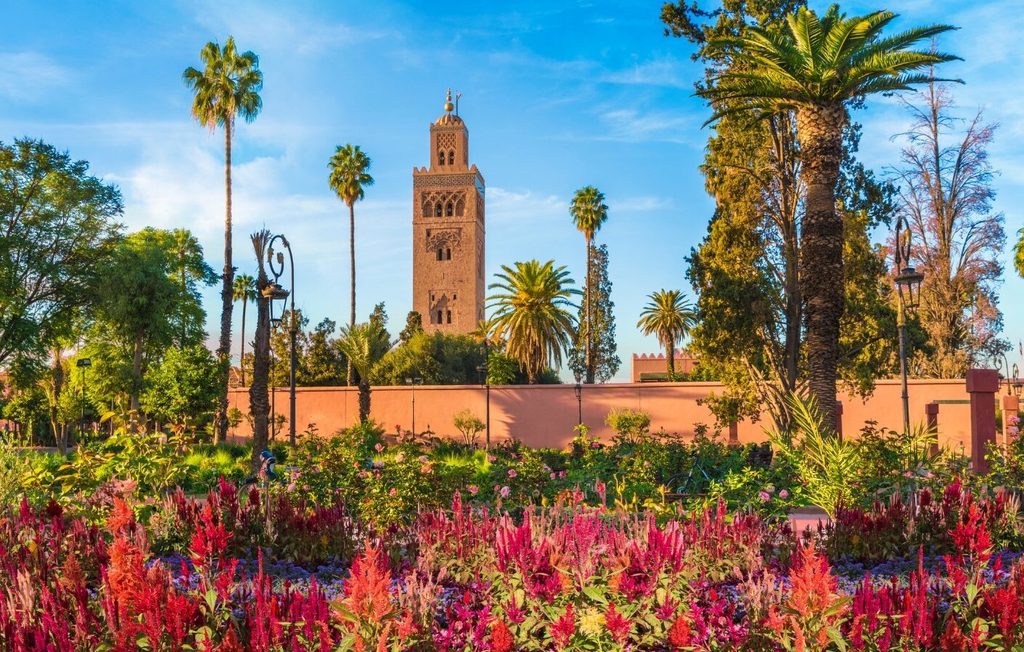
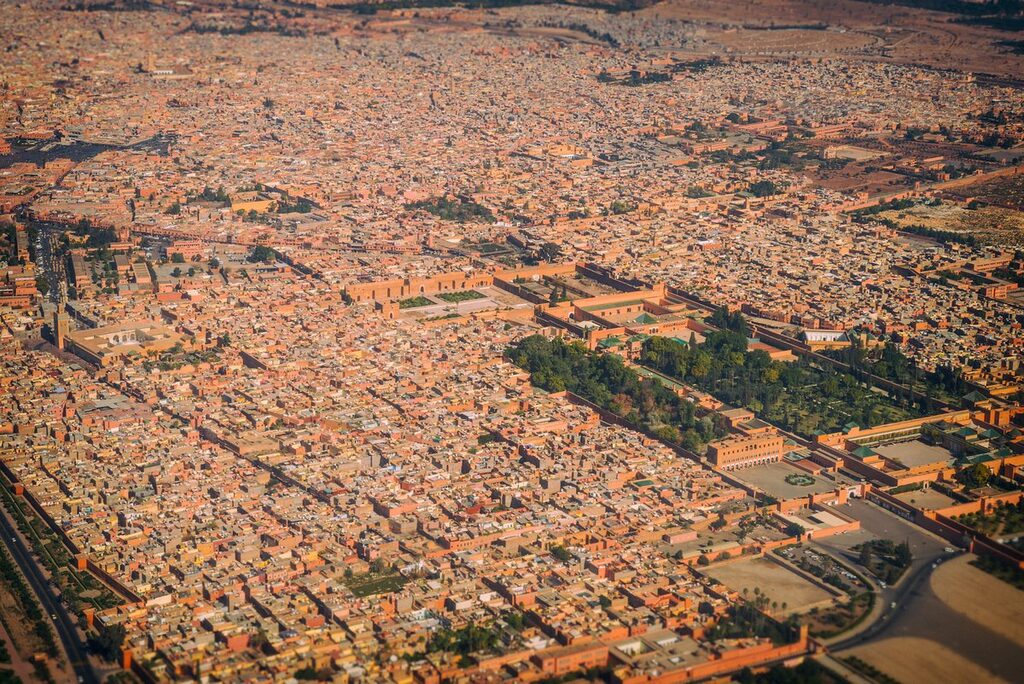
The “Red City” of Marrakech (or “Marrakesh”) is Morocco’s tourism epicenter. It’s home to around 1 million people and attracts more international visitors than any other Moroccan city. Here’s Marrakesh’s secret sauce: nothing about this city feels like a single attraction. Its medina, riads, souks, food, architecture, nightlife, luxury, and desert access are truly special experiences.
Jemaa el-Fnaa square, a UNESCO-recognized space, turns from a fruit market at noon into a stage of storytellers, musicians, snake charmers, and food stalls by night.
Also, you will find the beautiful Koutoubia Mosque (the largest mosque in Marrakech) anchoring the skyline. Bahia Palace and Majorelle Garden are a photographer’s delight. Of course, there are several other scenic places in Marrakech.
The feeling you gain from visiting Marrakech is truly hard to find elsewhere.
2. Essaouira
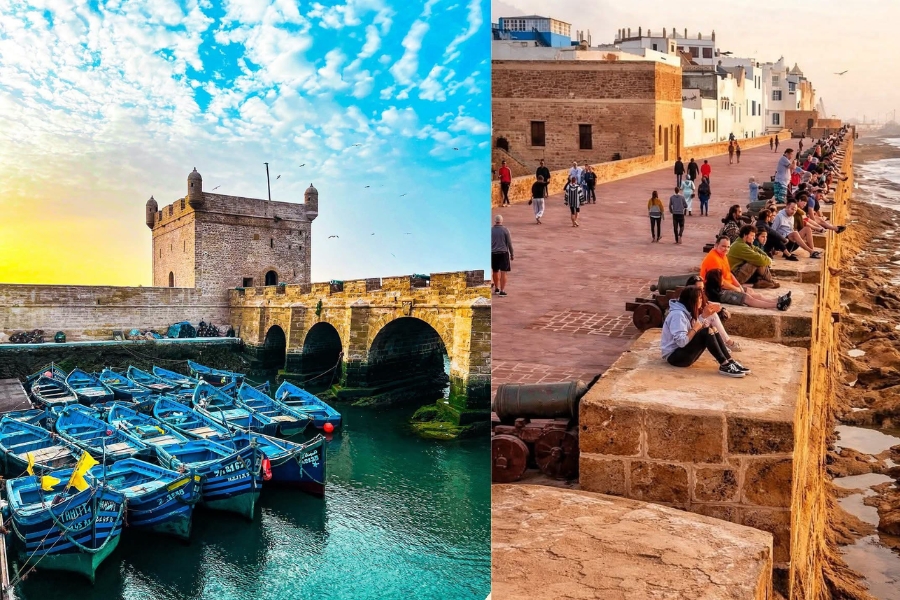
Essaouira (a coastal escape) is about three hours from Marrakech, and most Marrakech visitors end up here at some point. Wind, waves, and a fortified Portuguese-built medina give it a completely different mood. Surfers and windsurfers come for the Atlantic swell, which is strong and steady enough that the city hosts international kitesurfing competitions most years.
Everyone else comes for the blue fishing boats bobbing in the harbor, the seaside resorts and seafood grills, and the medina walls where parts of Game of Thrones were filmed. Gnaoua musicians still play in the square most evenings, a tradition with roots in West African spiritual music brought north centuries ago, and it gives the town an atmosphere most visitors don’t forget.
3. Tangier
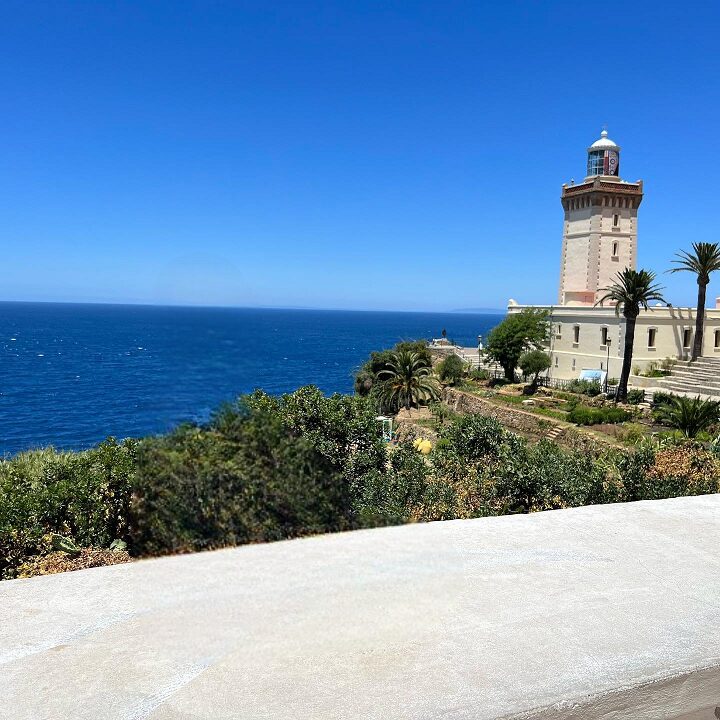
Tangier is where the Atlantic meets the Mediterranean, close enough to Spain to see it on a clear day. It has spent decades attracting a wide range of tourists. Destinations like Cap Spartel, the Caves of Hercules, and the hillside Kasbah are part of its appeal.
Thanks to the Al Boraq train and a fast ferry from Tarifa, it’s also become one of the easiest Moroccan cities to reach. Tangier’s population has grown fast too, past 1.2 million in the latest national census, edging past Fes to become Morocco’s second-largest city.
4. Casablanca
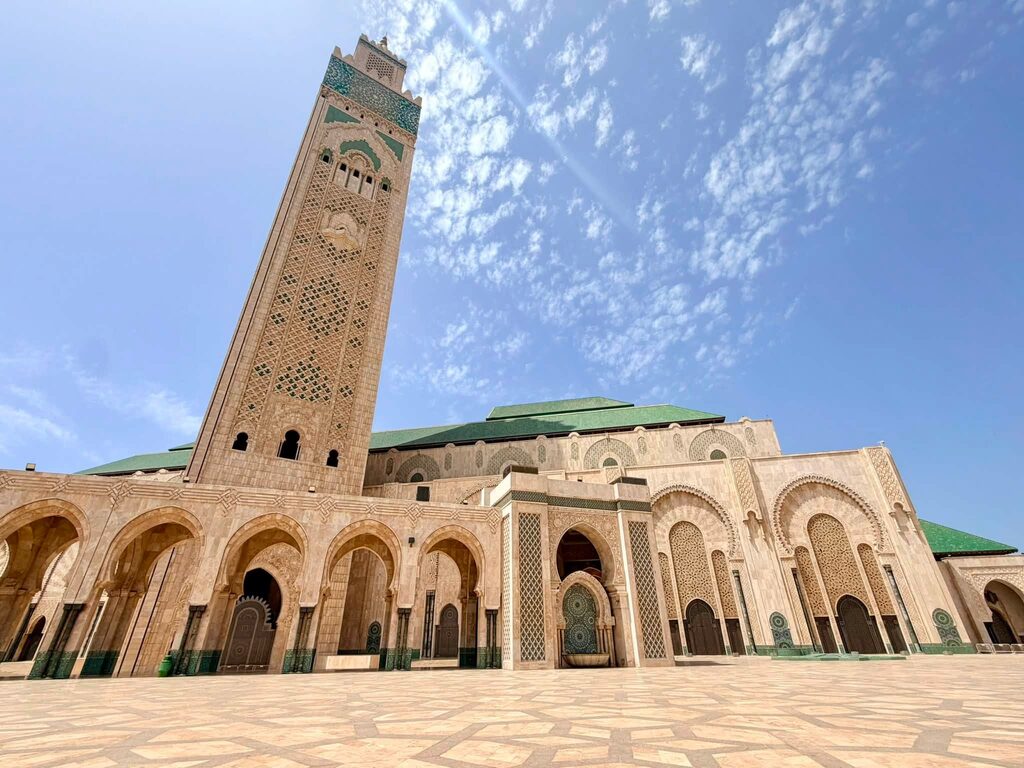
Casablanca is Morocco’s largest city and its economic capital, home to well over three million people. It doesn’t have the same touristy appeal as Marrakech, but best believe it has several attractions to its name.
The Hassan II Mosque, one of the largest in the world, sits directly on the Atlantic with a minaret that reaches over 200 meters. Beyond that, Casablanca offers Art Deco architecture from the French protectorate era, a serious business and dining scene, and a version of Morocco that’s truly unique.
Most international flights land here first, which makes Casablanca the unofficial front door to the entire country, even though it isn’t the top city on most itineraries.
5. Chefchaouen
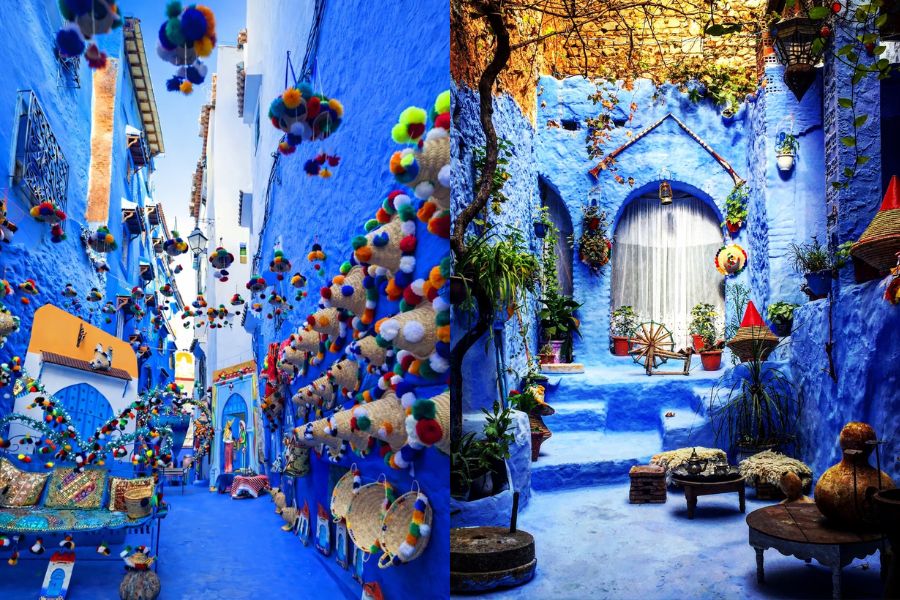
Chefchaouen is a photographer’s dream, popularly known as the “Blue City.” This old town in the Rif Mountains is painted almost entirely in shades of blue, from pale sky to deep cobalt, a tradition with roots in Jewish refugee communities who settled here decades ago. Every alley looks spectacularly different. It’s smaller and slower than Marrakech or Fes, which makes it a delight for some travelers. This cinematic city is one of the reasons why Morocco is the most visited country in Africa.
6. Fes
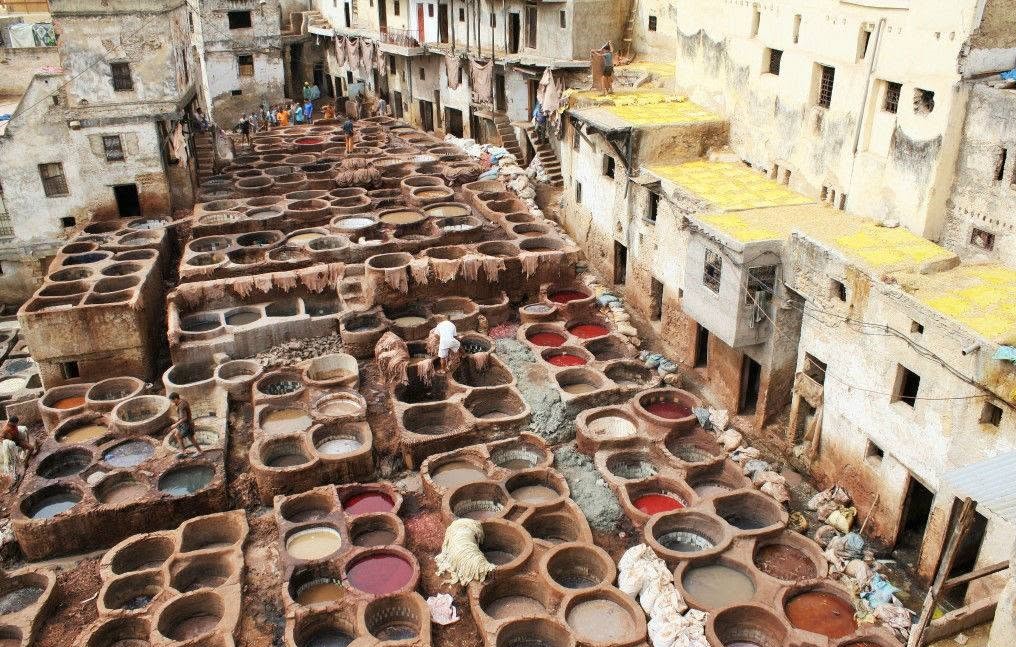
Fes is one of Morocco’s four imperial cities and among the oldest, founded in the ninth century. Its medina, Fes el-Bali, is the largest car-free urban area on earth, a UNESCO World Heritage site threaded with over 9,000 alleyways. The Chouara Tannery, with its open-air dye pits, is one of the most photographed working sites in the country.
Fes is also considered Morocco’s spiritual and academic heart, home to the University of al-Qarawiyyin, recognized as one of the oldest continuously operating universities in the world.
7. Rabat
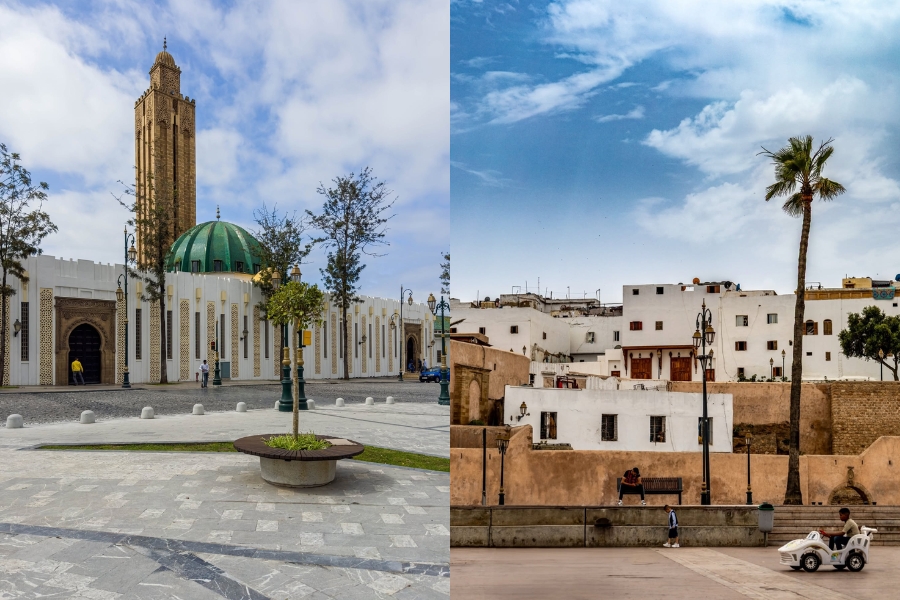
Rabat is Morocco’s capital. It moves at a calmer pace than Casablanca, which is an hour south. The Hassan Tower and the Mausoleum of Mohammed V sit side by side. The Kasbah of the Udayas overlooks the river mouth with whitewashed lanes that rival Chefchaouen for photogenic value. Rabat’s historic core earned UNESCO status in 2012.
In Rabat, you will find government buildings, embassies, and quiet coastal calm in equal measure. It rarely tops anyone’s must-see list, and that’s part of its charm. You get real Moroccan life here without the “organized chaos” in a place like Marrakech.
8. Merzouga
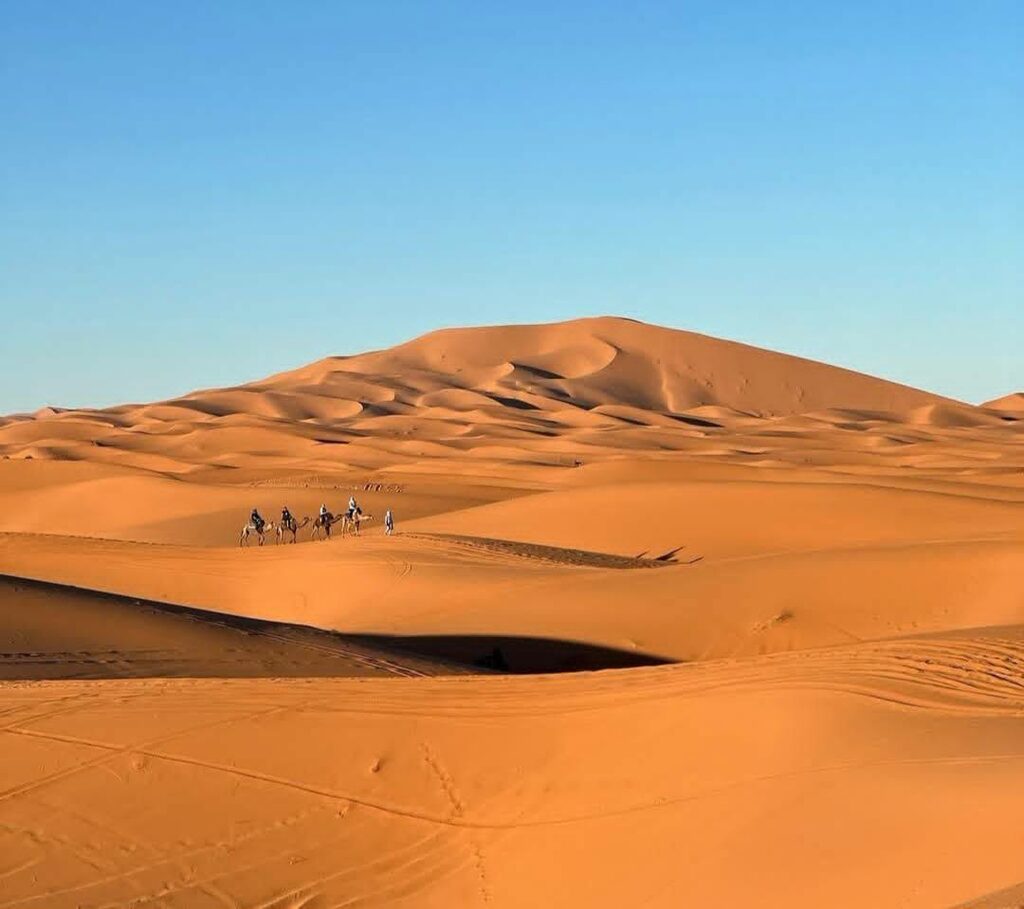
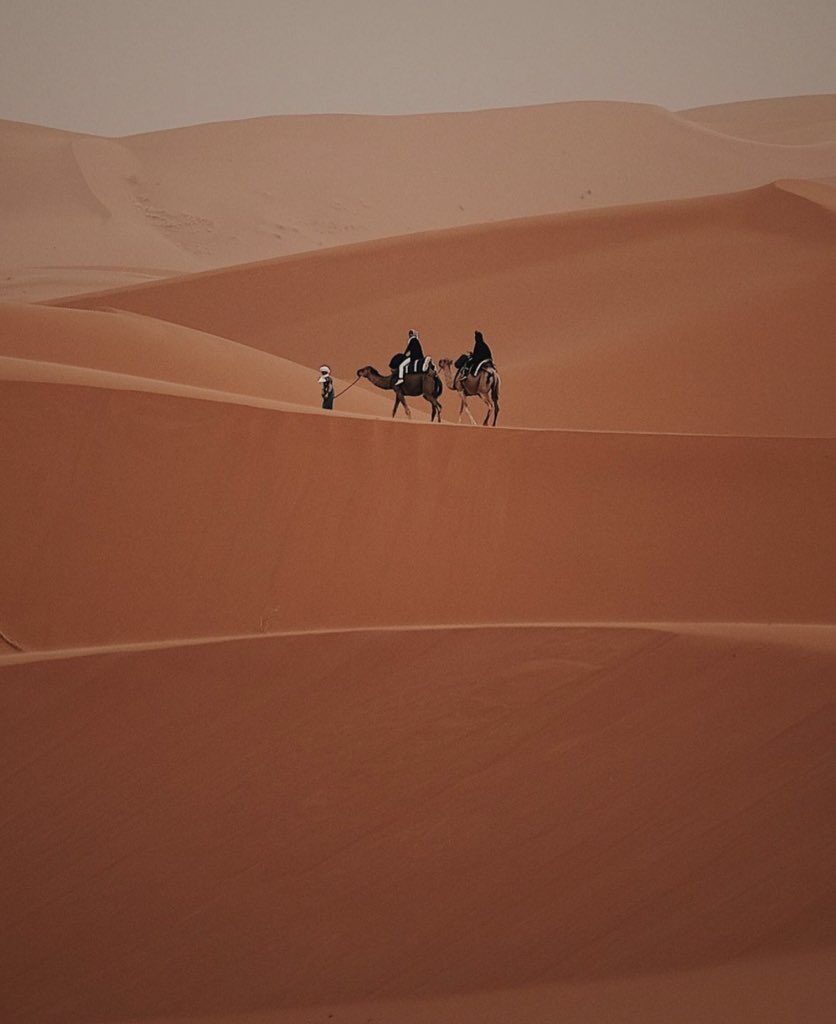
Merzouga is the gateway to Erg Chebbi, the towering dune field most people picture when they think of the Sahara. This is where desert camps, camel treks, and sunrise-over-the-dunes photos happen. Villages here run almost entirely on desert tourism now.
Most trips end with a night in a fixed desert camp, dinner cooked over an open fire, and a 4 AM wake-up call for the dune climb before sunrise. Literally nobody skips that climb, even if you swore the night before that you would.
9. Ouarzazate
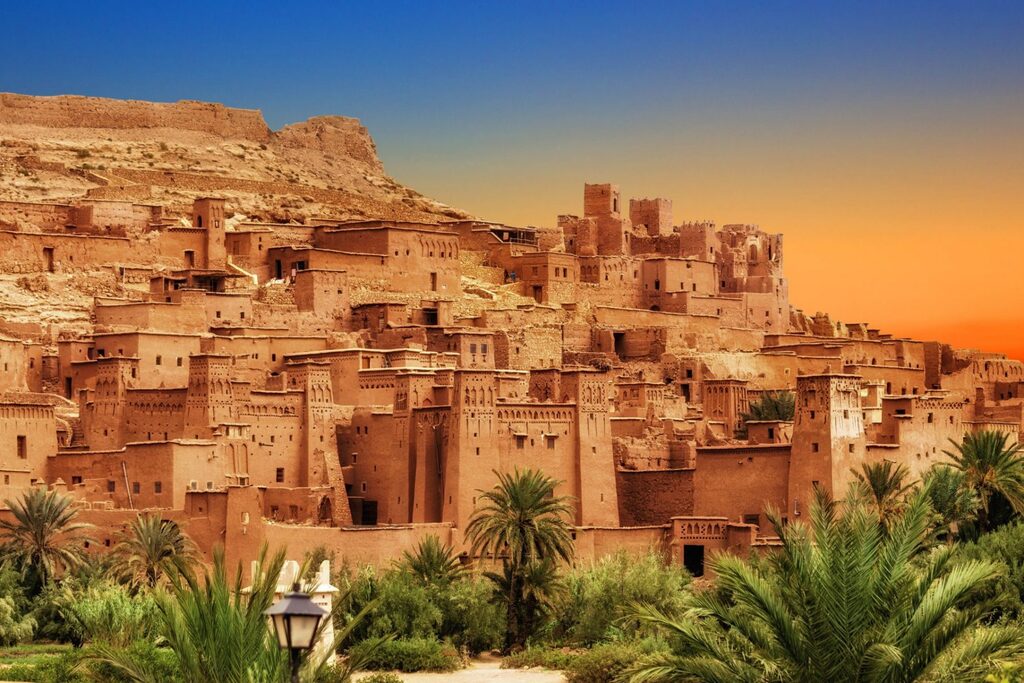
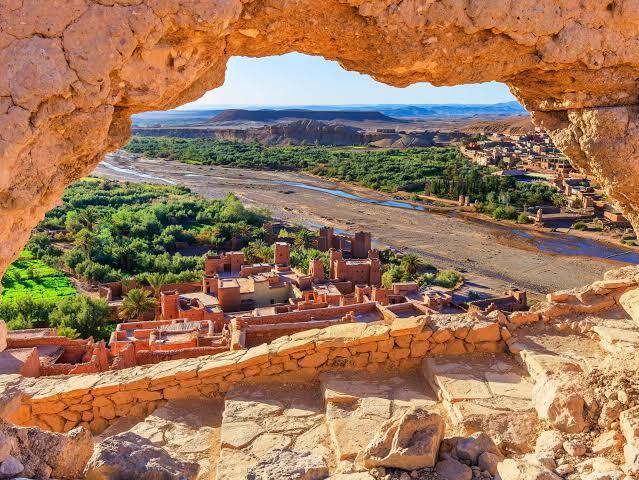
Ouarzazate calls itself the door to the desert. Hollywood has been here. Its vibrant light and kasbah architecture made it a favorite film location for decades, earning it the nickname “Ouallywood.” Ait Benhaddou, the fortified earthen village just outside town, has appeared in Gladiator, Game of Thrones, and Lawrence of Arabia, and its clay towers still house a handful of families who lead visitors through on foot for a small fee.
Beyond film, Ouarzazate is also a launch point for Sahara routes heading towards Merzouga and Zagora, and the drive out through the Atlas Mountains via the Tizi n’Tichka pass is worth the trip on its own.
10. Agadir
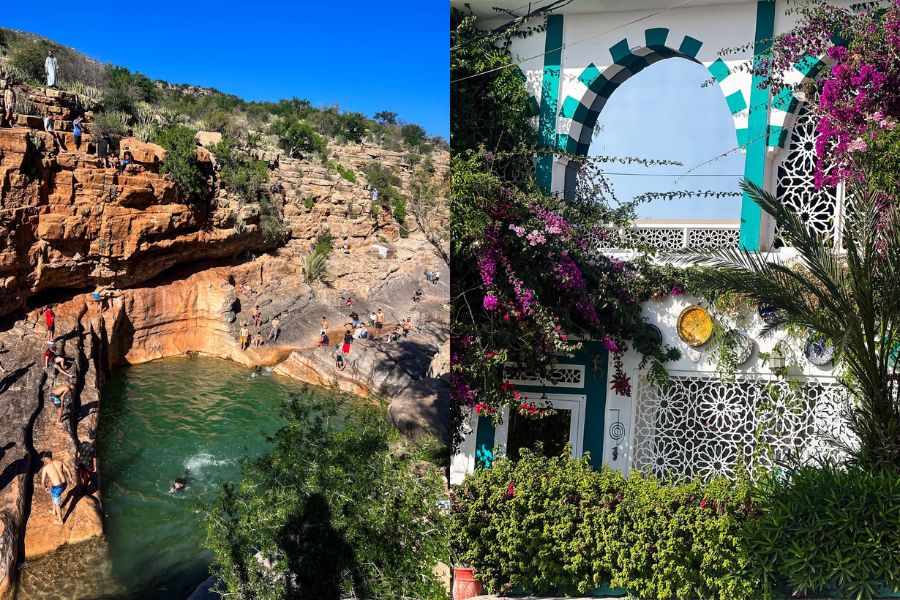
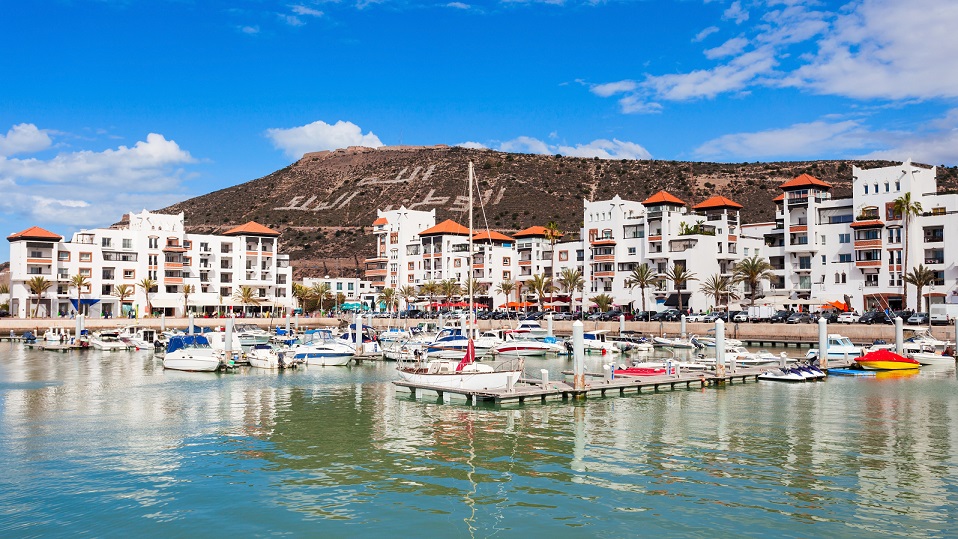
Agadir was rebuilt almost entirely after a devastating 1960 earthquake, which is why it feels more modern and planned than Morocco’s older cities. It’s now the country’s leading beach resort destination, with a long Atlantic shoreline, consistent surf, and a marina packed with restaurants. Families and package travelers often visit here for sun and sea.
Agadir’s beach stretches for roughly ten kilometers, wide and gently sloped, which is rare on Morocco’s Atlantic coast and part of why the resort scene grew here specifically. Direct flights from the UK, France, and Germany keep the city busy year-round, even in the winter months when much of Europe wants nothing more than a guaranteed sunny beach.
11. Meknes
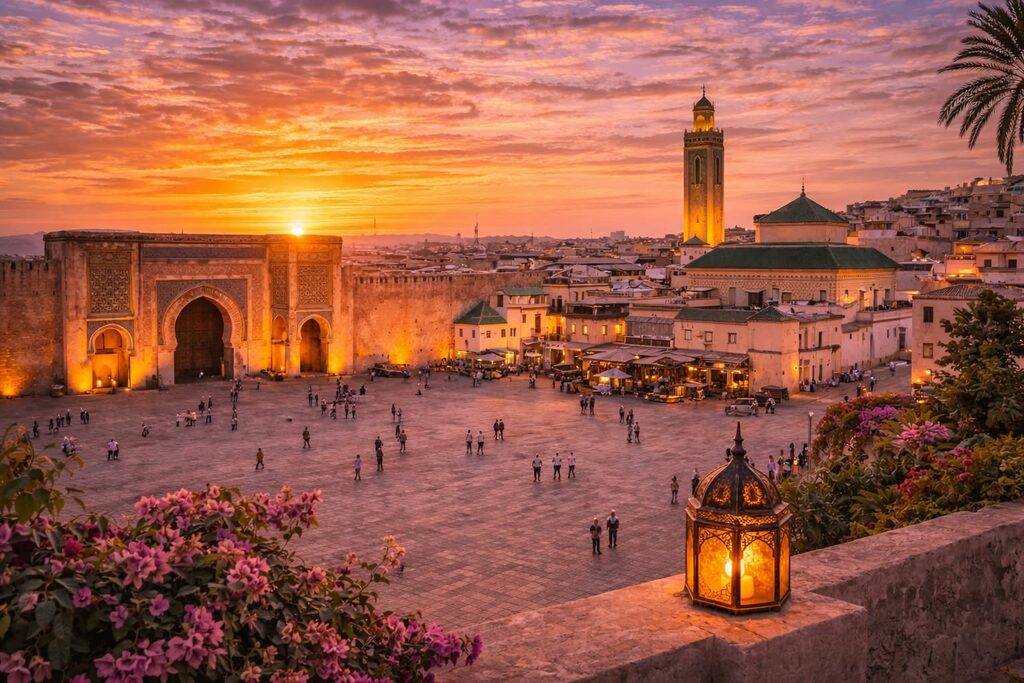
Meknes is one of Morocco’s imperial cities, built up under Sultan Moulay Ismail in the seventeenth century. Bab Mansour, one of North Africa’s most striking gates, still guards the old city. Compared to Fes, Meknes gets a fraction of the crowds, which makes it one of the best places to see imperial-era Morocco without fighting for space. It’s also half the price of Marrakech.
Looking for a Smart Trip Planner? Use TripMe Now
Infrastructure Built for Tourism
Beautiful attractions alone don’t build a tourism economy. You need airports, good roads, trains, tour operators, and places to eat well, and Morocco has invested heavily in that front.
The Al Boraq high-speed train, Africa’s first, connects Tangier and Casablanca via Rabat in about two hours, running at speeds up to 320 km/h on a route that used to take nearly five hours by road. A second high-speed line linking Kenitra to Marrakech is scheduled to open before the 2030 World Cup, part of a roughly €2 billion rail push built in partnership with France’s SNCF.
Airports have expanded alongside the rail lines. Marrakech Menara now pulls in direct flights from more than a hundred cities, and Casablanca’s Mohammed V remains the country’s main long-haul hub. Additionally, Morocco has a food and hospitality scene sophisticated enough to hold its own against southern Europe.
Morocco’s Sahara
The Sahara might be Morocco’s single biggest tourism magnet, and the country has turned it into a full experience economy.
Visitors can:
- Ride camels
- Sleep in desert camps
- Watch sunsets
- Watch sunrises
- Go sandboarding
- Stargaze
- Enjoy traditional music
- Eat Moroccan food around campfires
- Explore desert villages
For a lot of international travelers, one night sleeping under canvas in the dunes becomes the single memory that defines the entire trip. It’s an experience like no other.
Architecture and the Instagram Effect
The architecture of Morocco markets it quite well. There’s almost nowhere in the country where you can’t find a good photography spot. Zellige tilework, carved cedar ceilings, horseshoe arches, riad courtyards built around a fountain and an orange tree are some of the country’s most cherished works of art.
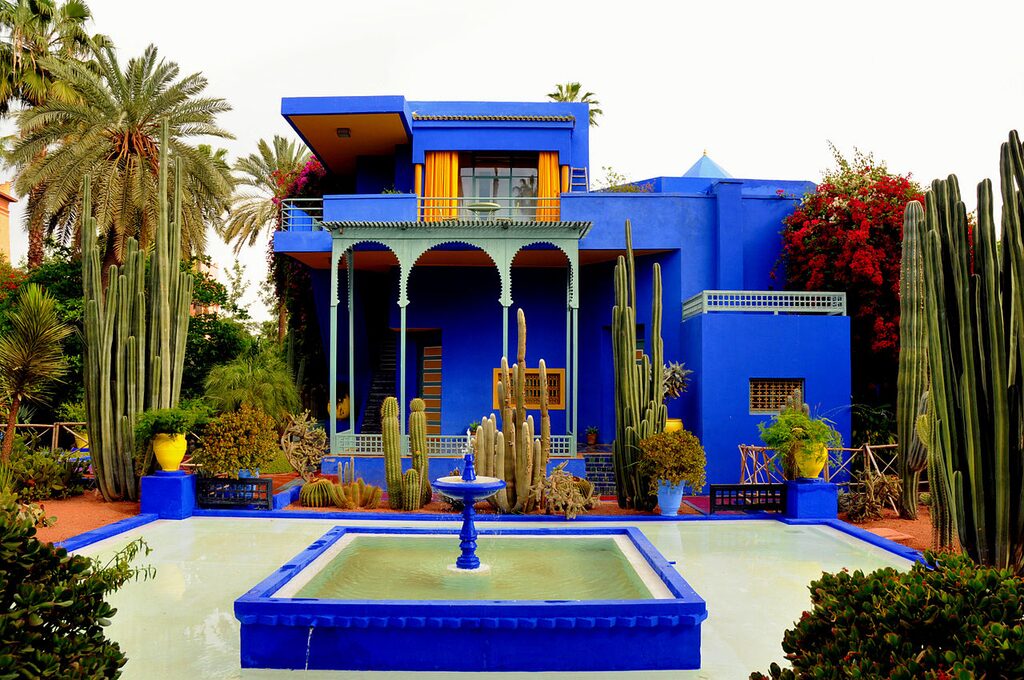
TikTok, Instagram, YouTube, Pinterest, and a growing wave of travel bloggers have turned Chefchaouen’s blue streets, Marrakech’s riads, and desert camp sunsets into some of the most shared travel content on the internet.
Morocco’s Wellness Tourism
Traditional Moroccan hammams have added to Morocco’s signature tourism experiences. Spas, argan oil treatments, yoga retreats, mountain retreats, and desert wellness experiences are now part of the sightseeing itinerary for tourists. All this and many more are part of the reasons why visitors keep coming back.
A proper hammam will refresh your body and soul. There’s a black soap scrub, a rough exfoliating glove, and many more. Traditional Moroccan hammam is not your usual spa treat; it’s closer to a ritual, and most travelers testify to never having anything quite like that.
A Gateway to Africa
Morocco’s location makes it accessible to European, American, and increasingly Gulf and Asian markets, and the country has positioned itself as many travelers’ first stop on the continent. For many visitors, Morocco becomes their introduction to Africa altogether.
Furthermore, events have amplified the country’s visibility. Morocco hosted the Africa Cup of Nations from December 2025 into January 2026, drawing supporters from across the continent and its diaspora in Europe. Football is big here, and the national team’s run to the World Cup semifinal in 2022 put Morocco on screens it had never reached before.
Looking ahead to 2030, Morocco will co-host the FIFA World Cup with Spain and Portugal, a moment the tourism ministry is already building towards with a target of 26 million annual visitors.
Film and pop culture have played their part too. Morocco’s landscapes and light have drawn filmmakers for decades, from classic epics shot around Ouarzazate to modern TV shows. Every production puts it in the spotlight.
Discovery is the Real Deal
Morocco has hidden riads, secret gardens, ancient alleyways, sprawling deserts, mountain villages, forgotten kasbahs, mysterious caves, ancient ruins, traditional rituals, and old trading routes found in nearly every region. When tourists come to Morocco, they aren’t just sightseeing.
They’re discovering!
Discovery is one of the strongest pulls in travel, stronger than any beach or hotel review.
That’s the real answer to why Morocco is the most visited country in Africa.
Planning to visit Morocco? Contact us for a recommended local guide to have the best experience.
You May Also Like:
Why Millions of Tourists Visit Marrakech Morocco Every Year
Is the High Atlas Mountains Trip Worth It? (A Guide for Marrakech Tourists)
Is a Trip from Marrakech to Merzouga Desert Worth It? (What You Should Know Before Going)


