


Table of Contents
Africa carries a reputation for being unsafe for queer travelers. That reputation is fast changing for a growing number of countries on the continent. Today, several African nations offer real legal protection, genuine social tolerance, and a high standard of living, all at once.
This guide ranks the top 10 gay-friendly African countries based on three things readers actually care about. First, the legal process: is same-sex activity legal, and does the law protect LGBTQ+ people from discrimination? Second, reported tolerance: how do locals feel, based on real survey data? Third, quality of life: can you build a comfortable, safe, modern life there?
Currently, same-sex relations are criminalized in 31 of Africa’s 54 countries. That number hasn’t moved much in a decade. Interestingly, countries that have decriminalized or protected LGBTQ+ rights are getting more visitors. Tourism dollars are pushing some governments toward quiet tolerance, even where laws haven’t caught up yet.
Quick Comparison: All 10 Countries at a Glance
| Rank | Country | Same-Sex Activity | Marriage/Unions | Quality of Life Index (2026) | Public Acceptance |
|---|---|---|---|---|---|
| 1 | South Africa | Legal | Marriage legal since 2006 | 151.8 | 54% |
| 2 | Mauritius | Legal since 2023 | Not recognized | 116.63 | 48% |
| 3 | Seychelles | Legal since 2016 | Not recognized | N/A (HDI 0.848, highest in Africa) | Limited polling |
| 4 | Rwanda | Never criminalized | Not recognized | 122.13 | Limited polling |
| 5 | Namibia | Legal since 2024 | Marriage banned (2024) | Highest in Africa | Above continental average |
| 6 | Botswana | Legal since 2019 | Not recognized | 154.97 | ~50% |
| 7 | Lesotho | Legal since 2012 | Not recognized | Limited data | Limited polling |
| 8 | Cape Verde | Legal since 2004 | Not recognized | Limited Numbeo data | 80% |
| 9 | Morocco | Illegal (Article 489) | Not recognized | 114.71 | Hostile, tourists rarely targeted |
| 10 | Kenya | Illegal (up to 14 years) | Not recognized | 99.15 | 7-14% |
1. South Africa
Legal Process
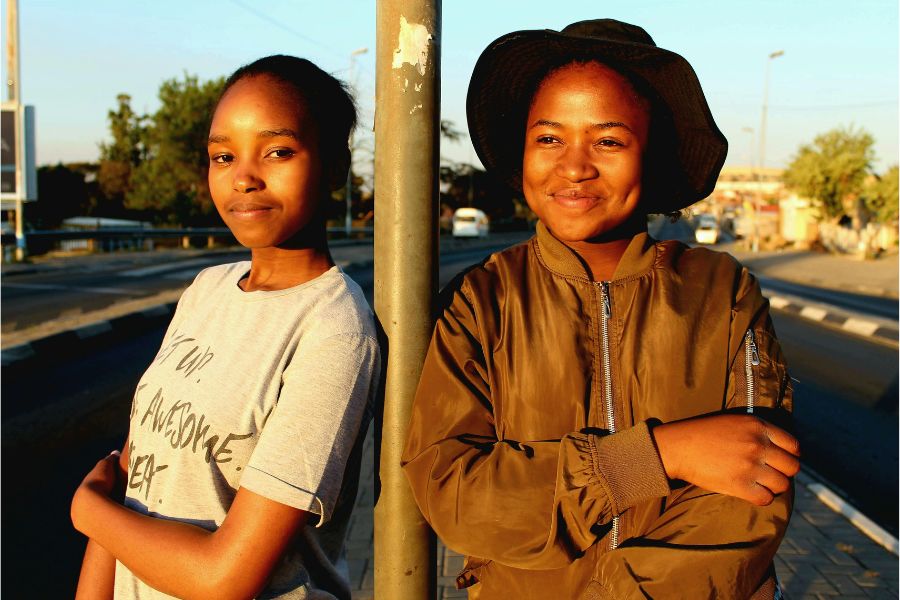
South Africa is the undisputed leader, and it’s not close. Its constitution was the first in the world to explicitly ban discrimination based on sexual orientation. South Africa became the first country in Africa, and the fifth in the world, to legalize same-sex marriage in November 2006. Same-sex couples can marry, adopt jointly, and access full legal recognition.
Reported Tolerance
South Africa stands apart from its neighbors here too. As of 2019, 54 percent of South Africans believed homosexuality should be accepted by society, according to Pew Research data. That’s roughly four times higher than most other African countries surveyed. Among African nations measured by Gallup, only Mozambique has approached South Africa’s level of acceptance, and Mozambique still trails behind it.
Quality of Life
South Africa posted a Quality of Life Index of 151.8 in 2026, supported by strong purchasing power, healthcare access, and climate conditions. Its purchasing power index sits at 114.97, among the highest on the continent, with a healthcare index of 63.94. Combine that with Cape Town’s LGBTQ+ nightlife scene, legal marriage rights, and constitutional protection, and South Africa ranks number one.
2. Mauritius

Legal Process
The Supreme Court of Mauritius fully decriminalized homosexuality in October 2023, striking down the colonial-era law that had criminalized sodomy since 1838. The country also has workplace discrimination protections. Discrimination on the basis of sexual orientation has been prohibited in employment under the Equal Opportunities Act since 2012.
Also, Mauritius has UN backing on paper. The original 2011 UN General Assembly declaration condemning violence against LGBTQ+ people drew support from just ten African countries, and Mauritius was one of them. The declaration called for an end to criminal sanctions and human rights violations tied to sexual orientation, and asked states to recognize that human rights apply to everyone regardless of who they love.
Reported Tolerance
Tolerance here is mixed, honestly. A 2023 survey found only 48 percent of Mauritians view their local area as a good place for gay and lesbian people. That’s better than most of the continent. Mauritius is one of only four African countries, alongside Namibia, South Africa, and Cabo Verde, where reported acceptance of LGBTQ+ neighbors runs higher than average for the continent.
Quality of Life
Mauritius posted a Quality of Life Index of 116.63 in 2026, supported by strong climate conditions and healthcare services, with a Climate Index of 88.61 and a Health Care Index of 63.36. On the UNDP side, Mauritius ranked 72nd globally in 2022 with an HDI of 0.796, placing it in the high human development category, ahead of South Africa on this particular measure. Island living, strong healthcare, and decent legal footing make this a real contender for relocation, not just vacation.
3. Seychelles
Legal Process
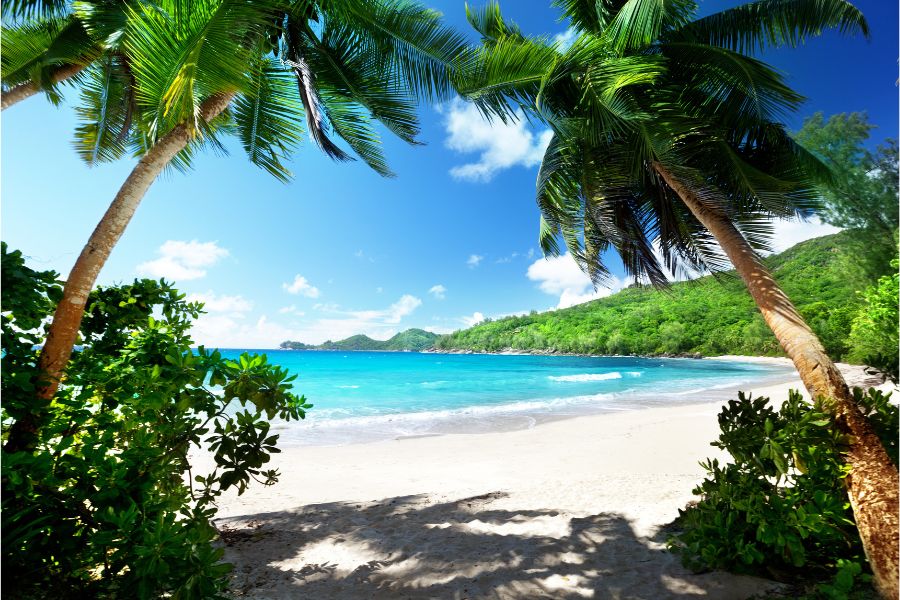
Seychelles is one of the highly rated gay-friendly African countries with a good quality of life. The country abolished its sodomy law in 2016, making it one of six African countries that took the parliamentary route to decriminalization. It also signed onto international protections early. Seychelles was among the small group of African nations that backed the 2011 UN declaration condemning anti-LGBTQ+ violence.
Reported Tolerance
Seychelles doesn’t show up often in big global polling, since it’s a small island nation, but its government’s posture gives a strong signal. Seychelles actively supported the UN’s independent expert mandate on sexual orientation and gender identity, breaking from the bloc of African countries that opposed it.
Quality of Life
Seychelles posted Africa’s highest Human Development Index score in 2023, at 0.848 points, beating Mauritius, Algeria, and every other African country measured. The island country is the kind of place to live if you can afford it.
Read: 10 African Countries at the FIFA World Cup 2026 and their Tourist Attractions
4. Rwanda
Legal Process
Homosexuality has never been criminalized in Rwanda, unlike most of its East African neighbors. There’s no specific law banning same-sex relations, and Rwanda was a signatory to the 2011 UN declaration opposing violence based on sexual orientation.
However, same-sex marriage isn’t recognized, and there are no anti-discrimination protections in employment or housing.
Reported Tolerance
Public tolerance data specific to Rwanda is thin compared to South Africa or Kenya, but the country is naturally tolerant of queer people, especially foreigners. This applies mostly to the urban areas.
Quality of Life
Rwanda achieves a Quality of Life score of 122.13, a pointer to steady social development and infrastructure, with one standout figure: Rwanda’s healthcare system scores 74.49, among the strongest on the continent, even though purchasing power remains low at 28.63. Kigali’s reputation for cleanliness and safety adds real appeal here, especially for anyone prioritizing health infrastructure.
5. Namibia

Legal Process
Namibia became the most recent African country to decriminalize homosexuality, doing so in June 2024. In May 2023, the Supreme Court of Namibia ruled that foreign same-sex marriages had to be recognized equally to heterosexual marriages, but that ruling was overturned when the government passed the Marriage Act of 2024. It legally defined marriage strictly as a union between a man and a woman and explicitly banned the recognition of same-sex marriages (both domestic and foreign).
There is an ongoing legal battle regarding the total criminalization of the act itself, which has faced appeals and legislative resistance.
Reported Tolerance
Despite the legislative back-and-forth, public sentiment is moderate. Namibia is one of only four African nations that highly tolerate and accept LGBTQ+ people, alongside Mauritius, South Africa, and Cabo Verde.
Quality of Life
Namibia leads Africa in quality of life for 2026, ahead of both Botswana and South Africa, according to Numbeo’s data. Wide open landscapes, low population density, and improving healthcare access make it genuinely appealing.
6. Botswana
Legal Process
Botswana has fully decriminalized same-sex marriage. Both female and male same-sex sexual acts have been legal in Botswana since June 2019, following a unanimous High Court ruling, which the Court of Appeal upheld in November 2021 after a government challenge. It took years for the law itself to catch up. Botswana formally removed the colonial-era criminalizing provisions from its penal code in March 20260.
Botswana, Mauritius, and South Africa are the only African countries where discrimination against the LGBTQ+ community is constitutionally illegal.
Reported Tolerance
Roughly half of Botswana’s population would feel positive or indifferent towards having an LGBTQ+ neighbor, tying with Mozambique for the strongest showing outside the top four most-accepting nations.
Quality of Life
Botswana ranked among the continent’s strongest performers with a Quality of Life Index of 154.97, supported by a Climate Index of 88.87 and a Health Care Index of 62.70. Living costs are reasonable too. Monthly expenses run about $531 for a single person and $1,934 for a family of four, excluding rent. Botswana is rich in diamonds and is the undisputed leader in diamond value in Africa.
7. Lesotho

Legal Process
Lesotho decriminalized same-sex relations in 2012, well ahead of Botswana, Mauritius, and Namibia, all of which needed court rulings decades later to get there. Lesotho is also one of eleven African countries with anti-discrimination protections in place for LGBTQ+ people.
Same-sex marriage remains unrecognized, and there’s no path to civil unions currently on the books.
Reported Tolerance
Public opinion data on Lesotho specifically is limited in major global surveys. What’s clear from personal experiences of tourists is that the country is generally tolerant of LGBTQ+ people with no propensity to cause harm, especially in the urban areas.
Quality of Life
Lesotho isn’t up there on Numbeo or HDI rankings like Namibia or Botswana. It’s a relatively small, mountainous, landlocked country with not as much infrastructure for massive revenue growth. But it’s very peaceful with a good legal record. Lesotho is a haven for digital nomads and tourists.
8. Cape Verde (Cabo Verde)

Legal Process
In 2004, Cape Verde amended its Penal Code to remove all provisions relating to consensual homosexual sex, becoming the second African country to decriminalize homosexuality. Workplace protections followed not long after. Discrimination based on sexual orientation in the workplace has been banned since 2008, one of the only employment protections of its kind on the continent.
Cape Verde signed onto the 2011 UN General Assembly declaration condemning anti-LGBTQ+ violence, one of just ten African nations to do so. In 2025, during Pride Month, Cape Verde signed a joint declaration proposed by Spain in favour of LGBTQ+ rights, becoming the only African country to do so.
Reported Tolerance
A 2020 Afrobarometer poll found that 80 percent of Cape Verdeans would welcome or would not be bothered by having a homosexual neighbor. That figure is among the highest globally, and it lines up with Cape Verde’s reputation as the most socially tolerant nation in Africa towards LGBTQ+ people.
Quality of Life
Cape Verde’s close cultural and economic ties to Portugal have given it infrastructure and stability for a small population. Combined with its incredible attractions, Cabo Verde is genuinely a top pick for travelers exploring relocation options.
9. Morocco

Legal Process
Morocco belongs on this list for a different reason than everyone else: volume. Morocco welcomed 17.4 million international tourists in 2024, overtaking Egypt to become the most-visited country in Africa, a 20 percent jump from 2023 and a 33 percent increase over pre-pandemic 2019 levels.
Legally, Article 489 of Morocco’s Penal Code criminalizes same-sex sexual activity, with penalties ranging from six months to five years in prison and fines.
Reported Tolerance
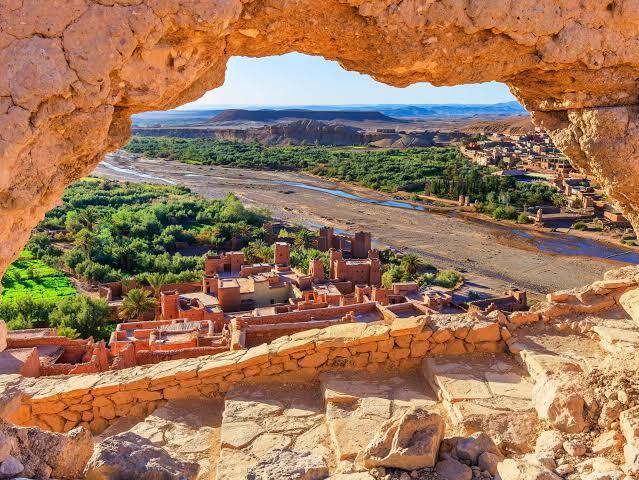
Tolerance of queer people in Morocco is mostly tourism-driven. Harassment of gay tourists specifically is rare, and prosecutions of visitors are infrequent. Despite same-sex activity being illegal, Morocco still attracts queer travelers, partly thanks to its many attractions and a bohemian reputation dating back to its mid-20th century days as an international zone that drew artists and writers from around the world.
There is a strong caveat, though, which also applies to heterosexual couples: public displays of affection like hand-holding, kissing, and cuddles should be completely avoided. Morocco is a conservative culture that treats PDA as a moral offence.
Quality of Life
Morocco achieves a Quality of Life score of 114.71 for 2026, reflecting average living standards, with purchasing power at 48.57 and healthcare access at 46.83. Morocco offers affordability, a rich cultural scene, and a tourism infrastructure built to handle massive volume, which matters for travelers who plan to stay discreet, visit, and move on rather than relocate permanently.
Read: 12 Most Livable African Countries for African Americans
10. Kenya
Legal Process
Kenya is the most legally restrictive country on this list. Kenya’s penal code allows for jail sentences of up to 14 years for same-sex relations. A constitutional challenge to overturn the law failed in 2019, and as of late 2025, similar court cases are still pending in Kenya, with no resolution yet on Kenya’s prospects for judicial decriminalization.
Reported Tolerance
Kenya, however, is reasonably tolerant of the LGBTQ+ community on the grounds of tourism, just like Morocco. The capital city, Nairobi, has East Africa’s largest LGBTQ+ activist community. Acceptance of same-sex relations in Kenya has notably increased since 2002, suggesting slow generational movement beneath a stringent political surface.
Quality of Life
Kenya’s foreign tourist arrivals grew by 15 percent in 2024, reaching 2.4 million visitors, and Kenya records a Quality of Life score of 99.15 for 2026, with healthcare access at 62.23 despite limited purchasing power. Nairobi’s tech scene, Mombasa’s coastline, and the safari circuit make Kenya a solid destination for expats and digital nomads considering relocation.
If you’re picking a destination from this list, match the country to what you actually need. We created this outline to cover every aspect, from the legal procedures to tolerance to quality of life. Whether you’re a member of the Black diaspora community or just another tourist looking to visit or relocate to Africa, it’s not enough to know the most welcoming African countries for gay people; the livability indices and quality of life must also make sense.
Citation
Views of Homosexuality Around the World, Pew Research Center
Acceptance of homosexuals as neighbors (2023), Equaldex
Public opinion and tolerance of homosexuality, Afrobarometer
Quality of Life Index by Country 2026, Numbeo
UN Human Rights Council: A Stunning Development Against Violence, Human Rights Watch
Gallup’s 2024 acceptance reporting
UNDP Human Development Index, 2022-2023 data


