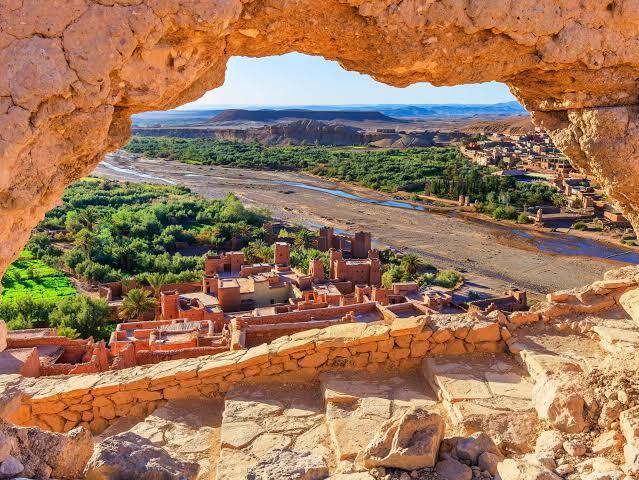

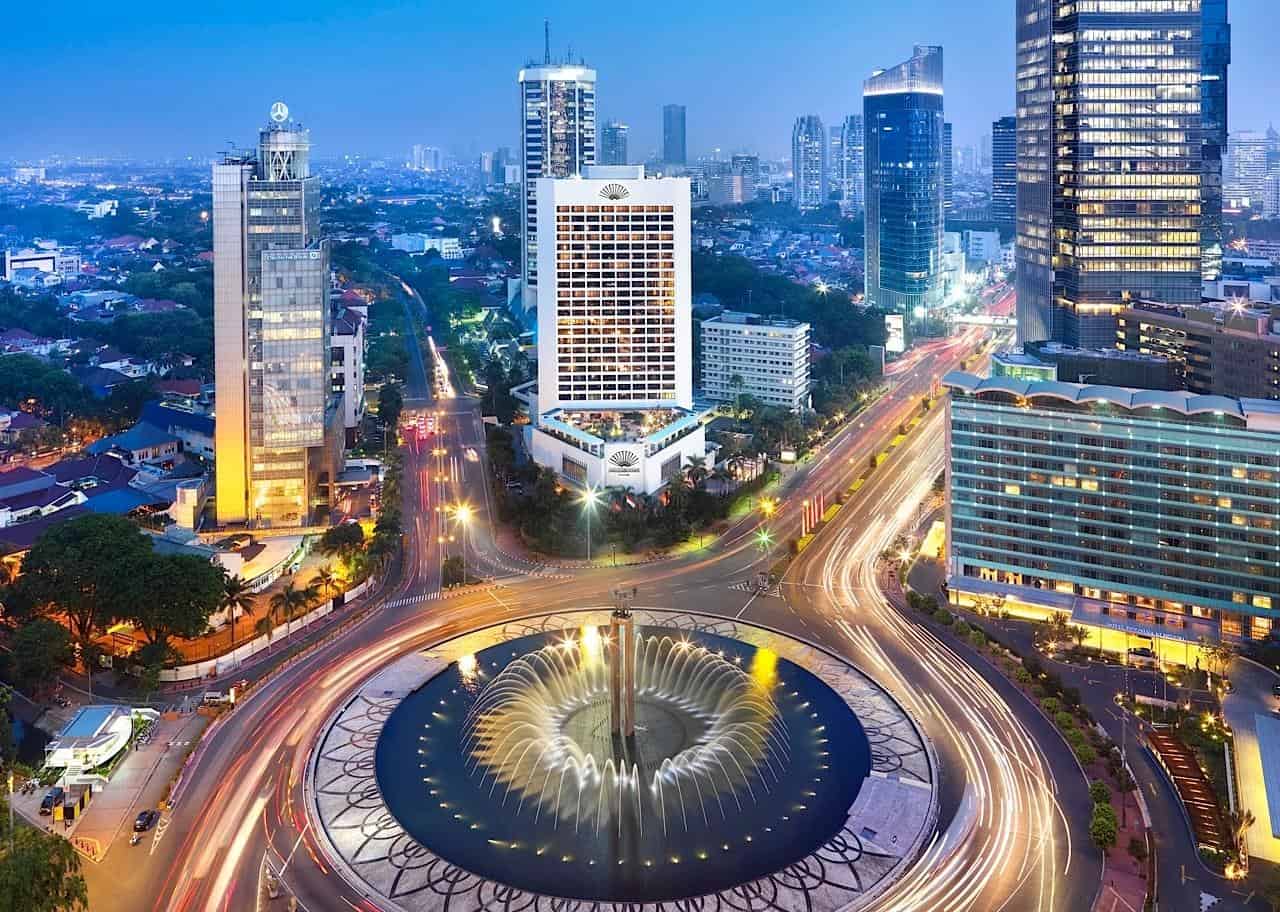


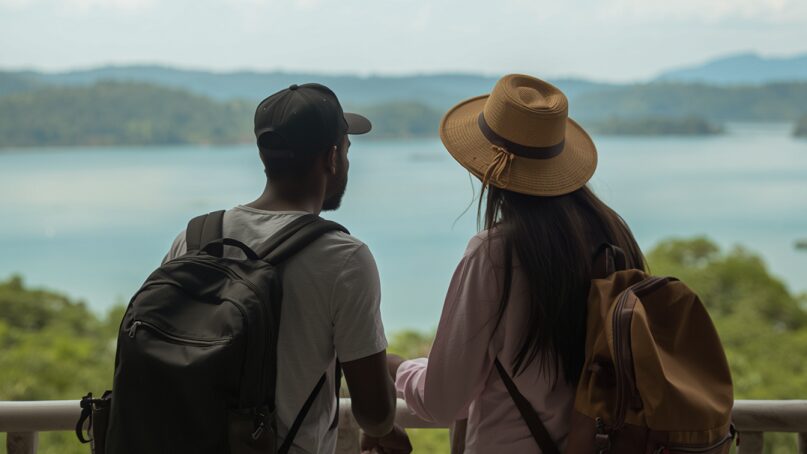
There is a growing interest among African Americans in relocating, retiring, investing, or spending extended periods in Africa.
A growing number of African Americans are moving out of the US. According to Forbes, more than 655,000 African Americans are living abroad. The interesting reality is that that number is growing.
Livability for African Americans depends on lifestyle goals. Some relocate for retirement, remote work, entrepreneurship, cultural reconnection, cost of living, safety, healthcare, language, business opportunities, and how easy it is to integrate as a diaspora returnee.
The “Black diaspora travel” movement has grown so popular, and it’s reshaping how people think about home.
The honest question isn’t “Which African country is perfect?” It’s “Which country fits the life I’m actually trying to build?” A retiree chasing sunshine and a slower pace wants something different from a 27-year-old founder building a tech startup, and a single mom looking for safe schools wants something different again.
This guide walks you through the most livable African countries for African Americans in 2026, country by country, with everything you need to know—from quality of life to lifestyle.
And yes, you can actually live in the States while building a second life in Accra, Nairobi, or Kigali. Why should one government control all your resources?
The Most Livable African Countries for African Americans
We have carefully researched and curated a list of the most livable African countries for African Americans looking to relocate or travel out of the United States for extended periods.
- Ghana
- Rwanda
- South Africa
- Kenya
- Namibia
- Botswana
- Mauritius
- Seychelles
- Nigeria
- Cape Verde (Cabo Verde)
- Uganda
- Morocco

1. Ghana

Ghana is one of the most welcoming African countries for Black returnee travel. No other African nation has built such a direct, government-backed bridge to the diaspora. The 2019 Year of Return drew thousands of African Americans to Accra, and the Beyond the Return campaign kept the momentum going. Cape Coast and Elmina, the old slave castles on the coast, give visitors something few other countries can offer: a physical, walkable connection to the history that scattered Black families across the Atlantic in the first place.
Livability
- Population: around 34 million
- English-speaking: yes, the official language of government, schools, and business
- Cultural familiarity: very strong, reinforced by decades of diaspora outreach programs
- Safety: comparatively stable, though romance and investment scams targeting foreigners are common enough to warrant caution
- Property: foreigners generally lease (for 50 years) rather than own outright. Accra rents run from about $30 a month in local neighborhoods to $750+ in expat-heavy areas like Cantonments and East Legon
- Expat community: large and still growing, with a noticeably African American presence
- Political stability: relatively stable democracy with peaceful transfers of power
- Electricity: improved a lot over the last decade
- Creative scene: thriving Afrobeats, Azonto, and fashion culture, with Accra positioning itself as a West African culture capital
- Gay friendliness: Accra has a small underground LGBTQ+ community, but same-sex relationships are currently prohibited in Ghana. Lately, Ghana has become more LGBTQ+-tolerant due to the influx of diaspora returnees. Gay-friendliness score: 30%
- Life expectancy: about 65.7 years (68.2 for women, 63.3 for men)
- HIV prevalence: under 2% of adults
- Healthcare: private hospitals in Accra (Nyaho, Trust, Lister) are solid; public care is relatively weaker
Lifestyle
Lifestyle-wise, Accra delivers. Osu, Busua, and Labadi Beach give you sand and seafood. Coworking spaces have multiplied as remote work has grown. International schools cluster in East Legon and Cantonments for families relocating with kids. Nightlife runs late, and the jollof debates never end (Ghana insists theirs is better than Nigeria’s). The markets are loud, colorful, and full of fabric you’ll want to take home.
Challenges
Ghana is not all rosy. There are challenges as well. Rents in expat neighborhoods have climbed sharply as demand from returnees has surged, sometimes pricing out the very Ghanaians whose hospitality made the country attractive in the first place. Traffic in Accra can be tight sometimes, depending on where you live.
As of February 2026, Ghana paused its flagship Right of Abode citizenship pathway for the diaspora to address administrative bottlenecks, so anyone planning a move to fast-track citizenship should check the current status before committing.
Ghana suits people chasing a structured, well-supported homecoming: retirees, remote workers, and anyone who wants community already in place when they land.
FAQs
Is Ghana visa-free for African Americans?
No. US passport holders need to apply for a visa before flying; Ghana doesn’t offer a standard visa-on-arrival for American citizens, and showing up without pre-approval can result in denied boarding.
Can African Americans get permanent residency in Ghana?
Right of Abode was designed exactly for this, granting indefinite stay and work rights without full citizenship. The program is currently paused for administrative reforms, so timing your application means watching for updates.
How can I tour Ghana before deciding to relocate?
This is precisely the kind of trip Places To Tour builds: a scouting visit that mixes the historical sites with real neighborhood walkthroughs, so you’re deciding with your eyes open, not just your heart.
Is income earned in Ghana tax-free for returnees?
No. Ghana taxes income earned within its borders, and Right of Abode holders still file locally. A tax advisor familiar with both US and Ghanaian rules is worth the fee.
2. Rwanda

Rwanda is arguably one of the most organized countries in Africa. It doesn’t carry the same historical pull for African Americans that West Africa does, but it’s a clean and well-run East African country that has rebuilt itself from genocide into one of the safest places on the continent. Kigali gets compared to Singapore more often than any other African capital.
Livability
- Population: around 14 million
- English-speaking: official language alongside French and Kinyarwanda, widely used in business
- Cultural familiarity: less direct than West Africa, more rooted in Pan-African renewal and post-genocide resilience
- Safety: among the safest cities on the continent, with active community policing and 24-hour street lighting in expat areas
- Property: foreigners can buy on 99-year leasehold titles with no residency requirement at all
- Expat community: growing fast, anchored by over 50 embassies and major NGOs
- Political stability: very stable, though political freedoms are more limited than in Western democracies
- Electricity: reliable in Kigali
- Creative scene: smaller but rising, with a strong coffee culture and an emerging arts and fashion identity
- Gay friendliness: Homosexuality is legal in Rwanda; however, there is no constitutional recognition of same-sex marriage. Rwanda is a signatory to the United Nations’ statement that aims to condemn violence against homosexuals, one of only a few African countries that did. Kigali has become known for being comparatively discreet and safe for LGBTQ+ travelers. Gay-friendliness score: 60%
- Life expectancy: about 68 years (70.1 for women, 65.7 for men)
- HIV prevalence: around 3%, with Rwanda among the few African nations to hit the UN’s 95-95-95 treatment targets
- Healthcare: good in Kigali, weaker outside the capital
Lifestyle
Kigali itself is the draw. It’s hilly, green, and genuinely walkable. International schools like Green Hills Academy serve relocating families. Coworking spaces have multiplied around the tech push the government has been funding for years. Coffee shops double as social hubs, and weekend trips to gorilla trekking in Volcanoes National Park or the shores of Lake Kivu are an easy two-hour drive away.
Challenges
Rwanda’s government keeps a tight grip on political life, and public criticism of leadership is not something locals do lightly. It’s also landlocked and small, so the sense of scale and choice you get in Nigeria, Ghana, or South Africa just isn’t there. For people who want safety and structure above almost everything else, Rwanda is your go-to destination.
Rwanda fits remote workers, NGO professionals, retirees, and anyone drawn to order and cleanliness more than just ancestral reconnection.
FAQs
Do African Americans need a visa for Rwanda?
Yes, though it’s painless. US citizens get a visa on arrival for around $50, since the free waiver only applies to African Union, Commonwealth, and Francophonie passport holders.
Can foreigners own land in Rwanda?
Yes, on a 99-year leasehold basis, and you don’t need to live there first to buy.
Is Rwanda safe for solo Black women travelers?
Genuinely yes. Kigali consistently ranks among the safest cities in Africa for solo travelers of any gender.
Can Places To Tour build a Rwanda itinerary?
We can, and gorilla trekking plus a Kigali city stay is one of our most requested combinations.
3. South Africa

South Africa is one of the most aesthetically appealing countries in Africa. The South African giant pulls people in with infrastructure, a familiar civil-rights echo in its own history, and a scale of opportunity that smaller countries can’t match.
Livability
- Population: around 60 million
- English-speaking: one of 11 official languages, dominant in business and most cities
- Cultural familiarity: shared echoes of segregation and liberation struggle, alongside a culture distinctly its own
- Safety: quite a concern, with high violent crime rates and gated living the norm in most cities
- Property: foreigners can buy freehold property with no restrictions, and a Cape Town home averages roughly $135,000
- Expat community: large and well-established, especially in Cape Town and Johannesburg
- Political stability: democratic, but unemployment above 31% fuels ongoing social tension
- Electricity: reliable in most urban cities
- Creative scene: strong film, fashion, and music industries centered in Johannesburg and Cape Town
- Gay friendliness: South Africa is the first African country to legalize same sex marriage. In fact, Cape Town is widely regarded as Africa’s LGBTQ+ capital because of its nightlife, Pride festival, beaches, and tourism industry. South Africa is home to Africa’s largest Pride celebrations, and the LGBTQ+ community is constitutionally protected. Gay-friendliness score: 90%
- Life expectancy: about 66.3 years (69.8 for women, 62.8 for men)
- HIV prevalence: roughly 16.6%, the largest epidemic in absolute numbers worldwide
- Healthcare: excellent private hospitals, strained public system
Lifestyle
Cape Town’s restaurant scene rivals anything in Europe. The Garden Route delivers some of the prettiest coastal driving on earth, and Johannesburg’s energy as a business hub is unmatched across Africa. The Kruger National Park is a wildlife haven. You can take safari tours to see the Big Five (lion, leopard, African elephant, rhinoceros, and Cape buffalo) among other fauna and flora. Coworking spaces are everywhere in SA. International schools are plentiful. Wine country is an hour outside Cape Town and makes for an easy weekend habit.
Challenges
Crime levels are relatively high in South Africa, especially in backstreet neighborhoods. Pickpocketing and home break-ins happen, and security measures (alarms, electric fencing, and armed response services) are simply part of life. Also, South Africa is notorious for illegal anti-immigrant agitations, which can sometimes turn violent. The Retired Person Visa requires a proven monthly income of roughly $2,000, and rules are tightening in 2026. Anyone weighing this country against the others on this list must consider upscale neighborhoods for maximum security.
South Africa suits people who want big-city infrastructure, established expat networks, and are prepared to adapt their daily habits around safety the way many already do in parts of the US.
FAQs
Is South Africa visa-free for African Americans?
Yes, US citizens can enter visa-free for tourism for up to 90 days.
Can African Americans retire in South Africa?
Yes, through the Retired Person Visa, which currently requires roughly $2,000 a month in guaranteed income. The rules are getting stricter in 2026, so apply sooner rather than later if this route appeals to you.
Is it safe to live in South Africa?
It can be, with precautions. Most long-term expats live in secure estates or gated communities and adjust their routines (avoiding certain areas at night, using reputable transport) the way locals do.
Can foreigners buy property in South Africa?
Yes, freehold ownership is open to foreign buyers with no special permit required.
Read: 10 African Countries at the FIFA World Cup 2026 and their Tourist Attractions
4. Kenya

Kenya makes the most sense for digital nomads: a laptop, a cup of coffee, and a view of Mount Kenya or the Indian Ocean. Nairobi has built itself into East Africa’s tech capital, nicknamed Silicon Savannah for good reason, and the country’s mix of urban energy and safari access is hard to match.
Livability
- Population: around 56 million
- English-speaking: the official language used in government, schools, and most businesses
- Cultural familiarity: East African and Pan-African in spirit, though geographically distant from the West African roots of most African American ancestry
- Safety: generally stable, with petty crime in certain Nairobi neighborhoods and occasional security concerns near the Somali border
- Property: foreigners can lease land for up to 99 years but cannot hold freehold title
- Expat community: large, with strong tech, NGO, and diplomatic representation
- Political stability: a functioning democracy, occasionally tense around elections but steady overall
- Electricity: reliable in Nairobi and the coast, quite erratic in rural areas
- Creative scene: a buzzing tech, film, and music culture centered on Nairobi
- Gay friendliness: Same-sex relationships are currently prohibited in Kenya, and public acceptance remains low. However, Nairobi has East Africa’s largest LGBTQ+ activist community, even as courts have expanded certain civil society rights. There are roughly 1.3 million LGBTQ+ people in Kenya, according to estimates from Galck+ (The Gay and Lesbian Coalition of Kenya). Gay-friendliness score: 40%
- Life expectancy: about 63.8 years (66.1 for women, 61.6 for men)
- HIV prevalence: around 3.7%, down significantly from earlier decades
- Healthcare: world-class private hospitals like Aga Khan and Nairobi Hospital, weaker public system
Lifestyle
Westlands and Kilimani give remote workers their pick of coworking spaces and cafes, while Karen offers a quieter, natural life closer to Nairobi National Park. The coast (Diani, Watamu, Mombasa) pulls a different crowd entirely: beach life, dive communities, and a slower pace. Safaris in the Maasai Mara are a weekend trip rather than a once-in-a-lifetime experience once you’re living there.
The Class N Digital Nomad Permit makes Kenya one of the more accessible long-stay options for remote workers, now requiring $24,000 a year in income rather than the steep $55,000 it once demanded.
Challenges
Land ownership is the bigger limitation: without citizenship, you’re leasing rather than owning, which changes the long-term investment options compared with Rwanda or South Africa.
Kenya fits remote professionals, safari lovers, and anyone who wants East African energy without sacrificing reliable internet, good food, and coffee.
FAQs
Do African Americans need a visa for Kenya?
Yes, an eTA (electronic travel authorization) is required before you fly; Kenya removed visa-on-arrival back in 2021.
What’s the income requirement for Kenya’s digital nomad visa?
$24,000 a year as of the current rules, plus a $200 processing fee and $1,000 annual issuance fee.
Can foreigners own land in Kenya?
Not freehold. Leasehold terms run up to 99 years, which covers most practical purposes but matters for long-term estate planning.
Can Places To Tour combine a safari with a relocation scouting trip to Kenya?
Absolutely, and it’s one of our favorite itineraries to design.
5. Namibia

Namibia is hardly the first option when moving to Africa becomes a topic, and that’s a tad unfair. This South African country is one of the least crowded and most politically stable in Africa. It is blessed with breathtaking desert and wildlife scenery that genuinely rivals anything on the continent. Notably, residency pathways are slower and less defined than in neighboring South Africa.
Livability
- Population: around 3 million, one of the lowest densities on earth
- English-speaking: the official language, used in schools and government
- Cultural familiarity: smaller diaspora connection than West Africa, shaped heavily by German colonial history
- Safety: moderate, with petty theft a bigger concern than violent crime
- Property: foreigners can freely buy urban residential property; agricultural land is restricted
- Expat community: small but tightly knit, with groups like the International Women’s Association of Namibia offering support
- Political stability: stable and peaceful since independence in 1990
- Electricity: generally reliable in Windhoek
- Creative scene: smaller, with nature and wildlife tourism dominating the cultural identity more than music or film
- Gay friendliness: Windhoek is Namibia’ safest city for LGBTQ+ visitors. The country remains conservative outside urban areas. Southern Africa generally leads the continent in legal reforms. Gay-friendliness score: 60%
- Life expectancy: about 67.5 years (71.5 for women, 63.5 for men)
- HIV prevalence: around 11.5%, among the higher rates globally
- Healthcare: decent private care in Windhoek, weak outside the capital
Lifestyle
Windhoek ranks among the cheapest capital cities in the world for expats, with a one-bedroom apartment running around $480 a month and a restaurant meal closer to $10. Swakopmund, on the coast, gives a completely different feel. You see German colonial architecture and dunes that roll straight into the Atlantic. The country’s real draw is space and quiet: Etosha National Park, the Namib Desert, and roads so empty you can drive for hours without seeing another car.
Challenges
Namibia doesn’t have a formal retirement or digital nomad visa with clear, published rules. Most long-term foreigners enter through employer-sponsored work permits or through a retirement permit, needing proof of income of around $1,400 to $2,750 a month. Permanent residency typically takes ten years. None of it is fast.
Namibia suits people drawn to wide-open landscapes and a slower, quieter life, particularly retirees who prefer nature over nightlife.
FAQs
Is Namibia visa-free for African Americans?
Yes, US citizens get 90 days visa-free on arrival.
Can foreigners buy property in Namibia?
Urban residential property, yes, with no restrictions. Agricultural land needs government approval and is rarely granted to foreigners.
Is Namibia safe?
Reasonably so. Most expats adopt standard precautions (gated housing, alarm systems, situational awareness after dark) and report feeling secure day to day.
What’s the easiest way to retire in Namibia?
A retirement permit requiring proof of pension or investment income, generally in the range of $1,400 to $2,750 a month, depending on which guideline you follow, plus health insurance and a clean police record.
6. Botswana

Botswana is a relatively quiet and prosperous country. It has had a stable, multiparty democracy since 1966 and consistently ranks among the least corrupt countries in Africa. The Southern African country is blessed with natural gems like diamonds and is often regarded as the “Gem of Africa.” It doesn’t have the diaspora pull of Ghana, but it’s surely one of the nicest places to live in Africa.
Livability
- Population: around 2.6 million
- English-speaking: the official language alongside Setswana
- Cultural familiarity: limited historical diaspora connection, but a strong reputation for being “the Africa that works”
- Safety: one of the safest countries in Africa, with low crime and strong rule of law
- Property: possible for foreigners, though more restricted than in South Africa, and Botswana is launching a citizenship-by-investment program in 2026 with contributions starting around $75,000
- Expat community: smaller but growing alongside the new investment program
- Political stability: consistently ranked first in Africa for governance and low corruption
- Electricity: generally reliable
- Creative scene: modest, with the country’s identity tied more to diamonds, cattle, and the Okavango Delta than to music or film
- Gay friendliness: Botswana decriminalized same-sex relationships in 2019. Courts have increasingly protected LGBTQ+ rights, and Gaborone has a visible LGBTQ+ community. Gay-friendliness score: 70%
- Life expectancy: about 69.3 years (71.9 for women, 66.8 for men)
- HIV prevalence: around 19.7%, the third-highest in the world, though Botswana offers free universal antiretroviral treatment and has met UN treatment targets
- Healthcare: solid general infrastructure, though specialist care often means a referral to South Africa
Lifestyle
Gaborone is calm and less flashy, a city built for working professionals more than tourists. The real lifestyle draw is outside the capital: the Okavango Delta and Chobe National Park offer some of the best wildlife viewing anywhere on earth, with elephant herds that outnumber almost any other country’s. A comfortable single life in Gaborone runs $1,000 to $1,500 a month, genuinely affordable by Western standards.
Challenges
Botswana doesn’t have Lagos energy or Cape Town’s vibrant lifestyle scene, and nightlife is modest. Work permits require employer sponsorship and proof that no Botswanan could fill the role, which limits the digital nomad and remote-work crowd that’s flocked to Kenya or Cape Verde.
Botswana fits people who value stability and quiet over loud excitement: retirees, conservation-minded relocators, and investors drawn to the new citizenship program.
FAQs
Is Botswana launching a citizenship by investment program?
Yes, in 2026, with the main applicant contribution set between $75,000 and $90,000, plus additional fees for spouses and dependents.
Is Botswana safe?
Yes, consistently rated as one of the safest countries on the continent.
Can Americans visit Botswana without a visa?
Yes, US citizens can enter visa-free for short tourist stays.
Can foreigners own property in Botswana?
It’s possible, though more tightly regulated than in South Africa or Ghana, and the new investment program is designed to make the process clearer.
7. Mauritius

Mauritius is a coastal, tourism-friendly country. We’re talking turquoise water, French and Indian and African and Chinese heritage all stitched together, and one of the most generous tax regimes anywhere in the world. It’s worth noting, honestly, that the cultural connection for African Americans seeking ancestral roots is thinner here than in West Africa. What Mauritius offers instead is comfort, safety, and good value for your money.
Livability
- Population: around 1.3 million
- English-speaking: official language alongside French, with Mauritian Creole spoken daily
- Cultural familiarity: a genuine blend of Indian, African Creole, French, and Chinese heritage, distinct from continental African culture
- Safety: very safe, with low crime by any global standard
- Property: foreigners can buy into approved schemes (IRS, RES, PDS, Smart City) starting around $375,000 for a 20-year residence permit
- Expat community: smaller and skewed towards higher-net-worth investors and retirees
- Political stability: a stable parliamentary democracy
- Electricity: reliable
- Creative scene: growing fashion and textile industry, plus a lively Sega music tradition
- Gay friendliness: Same-sex relations are legal in Mauritius. In fact, the country is considered one of Africa’s more welcoming island destinations for the LGBTQ+ community. Gay-friendliness score: 75%
- Life expectancy: about 75.1 years (78.3 for women, 72.1 for men), among the highest on this list
- HIV prevalence: under 1%
- Healthcare: among the best in Africa, with modern private hospitals that draw medical tourists
Lifestyle
Grand Baie anchors the north as the expat and tourist hub, full of restaurants, beach clubs, and marinas. Tamarin in the west draws a more relaxed surfing and yoga crowd. There’s no capital gains tax, no inheritance tax, and no wealth tax, which makes Mauritius genuinely appealing for anyone building international wealth rather than just chasing fun and excitement.
Challenges
The barrier to entry is money. The cheapest residency-by-property route starts at $375,000, and even the lighter Investor Permit needs $50,000 committed to a local business. A comfortable couple’s lifestyle runs $2,500 to $4,500 a month, which is far from Africa’s cheapest option. This is a country for people with capital, not a budget relocation.
Mauritius suits retirees and investors with real money to spend. Mauritius gives you safety, tax efficiency, and island living over ancestral connection.
FAQs
How much do I need to invest for residency in Mauritius?
The property route starts at $375,000 for a 20-year permit; the business route starts at $50,000.
Is Mauritius visa-free for African Americans?
Yes, US citizens can enter visa-free for tourism, and the Premium Visa extends a remote-work stay up to a year at no cost.
Is Mauritius tax-free?
Not entirely, but it’s close: no capital gains, inheritance, or wealth tax, and a flat 15% corporate rate.
Can Places To Tour plan a Mauritius retreat?
Yes, and it pairs beautifully with a few days in Seychelles if you want to compare both islands before deciding.
8. Seychelles
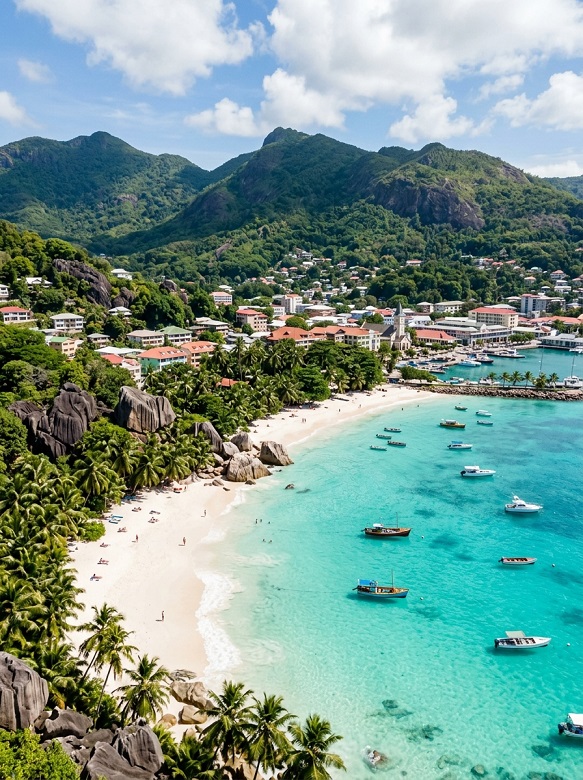
Seychelles is the smallest country in Africa, yet the most expensive. The country is blessed with breathtaking granite boulders, powder-soft beaches, and a population so small that everyone seems to know everyone. This is a destination for people with the means to treat residency as a long-term investment.
Livability
- Population: around 124,000
- English-speaking: official alongside French and Seychellois Creole
- Cultural familiarity: a Creole blend similar to Mauritius, not rooted in continental African heritage
- Safety: low crime, very safe by global standards
- Property: heavily restricted for foreigners outside designated investment routes, with the main investor path requiring around $1 million
- Expat community: tiny and tilted towards high-net-worth individuals
- Political stability: stable
- Electricity: reliable
- Creative scene: small, built around Sega and Moutya music traditions and a tourism-first economy
- Gay friendliness: Homosexuality was legalized in Seychelles in 2016. Their strong tourism economy encourages inclusivity. Equaldex ranks Seychelles among Africa’s highest for LGBTQ+ equality. Gay-friendliness score: 78%
- Life expectancy: about 73 years (76.7 for women, 70.1 for men)
- HIV prevalence: low, under 1%
- Healthcare: free public care for citizens of reasonable quality, with evacuation to Mauritius or India needed for specialized treatment
Lifestyle
Victoria, the capital, is one of the smallest in the world, and most of the country’s life happens on the beaches and in dive shops rather than nightclubs. The Workcation Retreat Program lets remote workers stay up to 12 months with zero local tax on foreign income, which is genuinely one of the better digital nomad deals globally.
Challenges
Seychelles is costly. There’s no formal retirement visa, no passive-income threshold that guarantees permanent residency, and most long-term foreigners are essentially renewing permits indefinitely rather than building towards citizenship. A comfortable monthly budget starts around $2,500 and climbs fast from there.
Seychelles fits people chasing pure natural beauty and can easily cope with the cost and administrative uncertainty.
FAQs
Is Seychelles visa-free for Americans?
Yes, all nationalities get 90 days visa-free on arrival.
How expensive is it to live in Seychelles?
Budget at least $2,500 a month for a comfortable single lifestyle, more with a family or a taste for imported goods.
Can foreigners buy property in Seychelles?
It’s tightly restricted, with the main investor pathway requiring roughly $1 million committed to a Seychelles business.
Is there a Seychelles retirement visa?
No formal one exists yet, which makes long-term planning here genuinely harder than in Mauritius or South Africa.
9. Nigeria

Nigeria carries more direct ancestral weight for African Americans than almost any other country on this list. A huge share of enslaved Africans trafficked to the Americas came from what’s now Nigeria, particularly Yoruba, Edo, and Igbo communities, and that history shows up everywhere, from surnames to spiritual traditions still practiced across the diaspora. It’s also Africa’s most populous country and its biggest economy.
Livability
- Population: around 239 million, the most populous country in Africa
- English-speaking: the official language, though Nigerian pidgin is spoken widely
- Cultural familiarity: exceptionally strong, with direct ancestral ties for many African American families
- Safety: highly location-dependent, with secure neighborhoods in Lagos, Abuja, Port Harcourt, and Uyo, contrasting sharply against real kidnapping and banditry risks in parts of the north and southeast
- Property: foreigners get 99-year leasehold rights with Governor’s Consent required; premium Lagos property in Ikoyi or Victoria Island ranges from roughly $20,000 to $135,000+
- Expat community: large in Lagos, increasingly shaped by diaspora investment
- Political stability: democratic, with corruption and economic volatility as ongoing concerns
- Electricity: a persistent national challenge, with generators and solar setups standard rather than optional. However, upscale locations tend to have near-constant electricity
- Creative scene: genuinely world-class, with Nollywood, Afrobeats, and a thriving fashion industry reaching global audiences
- Gay friendliness: Nigeria’s Same-Sex Marriage (Prohibition) Act criminalizes same-sex unions and some forms of LGBTQ+ advocacy. Northern states applying Sharia law can impose much harsher penalties. Abuja, Lagos State, and some other southern states have discreet LGBTQ+ spaces, but public display of affection can be risky. Gay-friendliness score: 20%
- Life expectancy: about 54.6 years (54.9 for women, 54.3 for men), the lowest figure on this list
- HIV prevalence: around 1.3%, though Nigeria’s population means the absolute number of people living with HIV is among the highest worldwide
- Healthcare: decent private hospitals in Lagos, Abuja, Port Harcourt, and Uyo.
Lifestyle
Nigeria is a classist country. The gap between the rich and the poor is wide. Lagos’ pace can either energize or exhaust you, often both in the same week. Lagos Island: Ikoyi, Victoria Island, Banana Island, and Lekki are where most relocating families and professionals settle, close to international schools and secure compounds. In Abuja, Maitatma, Asokoro, Jabi, Gwarimpa, and Guzape are the upscale areas. In Uyo, Shelter Afrique, Ewet Housing Estate, Federal Housing Estate, and Osongama are the nicest places to live. Badagry in Lagos and Ikot Abasi in Akwa Ibom are the two most renowned locations in Nigeria for intense heritage and slave trade tourism. The food, fashion, and music scenes are genuinely among the best on the continent, and Lagos Fashion Week draws international attention every year.
Challenges
Safety has to be addressed. Consular advisories from the US, UK, and Canada flag real risks, particularly kidnapping along certain highways and instability in the northeast and northwest. Most expats and diaspora investors manage this by sticking to secure neighborhoods, flying rather than driving between most cities, and working with vetted local contacts, especially for real estate. The market itself can be lucrative: well-located Lagos property has appreciated 18 to 25% annually in recent years, which is part of why diaspora remittances continue pouring into the sector.
Nigeria suits people with strong family or ancestral ties who want deep cultural immersion, a serious business environment, and are ready to navigate real safety considerations, especially in the northern and southeastern parts of the country. We rate Abuja, Lagos Island, Uyo, and Port Harcourt as the safest cities in Nigeria for outdoor life.
FAQs
Is Nigeria safe for African Americans relocating?
It depends heavily on location. Lagos, Uyo, and Abuja have secure neighborhoods that function normally day to day, while certain highways and northern regions carry genuine risk that requires real planning.
Can foreigners own property in Nigeria?
Not freehold, but 99-year leasehold rights with Governor’s Consent cover most practical purposes, including resale and inheritance.
What visa do African Americans need for Nigeria?
A visa applied for in advance, typically through Nigeria’s e-visa portal. Nigeria isn’t a visa-free destination for US passport holders.
Is Nigeria a good place for diaspora investment?
Many analysts think so, particularly in Lagos real estate, where rental yields in prime areas have been strong, though due diligence on titles and agents matters enormously.
10. Cape Verde (Cabo Verde)

Cape Verde is a small West African country that rarely gets the attention of Ghana or South Africa, and that’s part of its appeal. This ten-island archipelago off West Africa’s coast has built a genuinely welcoming digital nomad program, gorgeous beaches, and a music tradition (morna, made famous worldwide by Cesária Évora) that carries real emotional weight. The honest caveat: Portuguese, not English, is the official language of Cabo Verde, and that changes the day-to-day experience. Of course, English is also spoken in the country, but not as popular as Portuguese.
Livability
- Population: around 600,000
- English-speaking: no, Portuguese is official and Cape Verdean Creole dominates daily life; English is mostly limited to tourist zones
- Cultural familiarity: rooted in a complex history as a historic slave-trading hub, with a distinct Afro-Portuguese culture
- Safety: one of the most stable and low-crime countries in West Africa
- Property: foreign ownership is allowed with proper notarial registration and a tax ID number
- Expat community: small but growing, especially among digital nomads on Sal and São Vicente
- Political stability: stable parliamentary democracy since independence in 1975
- Electricity: reasonably reliable on the main islands, less consistent on smaller ones
- Creative scene: globally recognized music heritage and a lively Carnival tradition
- Gay friendliness: Cape Verde is one of Africa’s most gay-tolerant destinations. Afrobarometer consistently finds Cape Verde has the continent’s highest acceptance of the LGBTQ+ community. Praia has the country’s largest LGBTQ+ community, as tourism contributes to a relatively open atmosphere. Gay-friendliness score: 85%
- Life expectancy: about 76.2 years (79.4 for women, 73.1 for men), the highest figure on this entire list
- HIV prevalence: low by regional standards
- Healthcare: decent on Sal and Santiago, with evacuation sometimes necessary for specialized care
Lifestyle
Sal Island has become the unofficial nomad capital, with fiber internet, a handful of coworking spaces, and a beach culture built around kitesurfing. Mindelo, on São Vicente, leans more towards art, design, and music. A comfortable nomad budget runs $1,200 to $2000 a month, genuinely affordable compared to most of Europe.
The Remote Working Cabo Verde visa is one of the easier digital nomad programs on the continent: a modest €1,500 monthly income requirement, a quick online application, and zero local tax on foreign-sourced income.
Challenges
The language barrier is the real issue here. Day-to-day errands, banking, and bureaucracy run in Portuguese, and that’s a bigger adjustment than most people expect from an “easy” relocation destination.
Cape Verde fits remote workers and creatives drawn to island life and music heritage, particularly those willing to pick up some Portuguese along the way.
FAQs
Does Cape Verde have a digital nomad visa?
Yes, the Remote Working Cabo Verde program, requiring proof of roughly €1,500 a month for an individual and renewable in six-month blocks.
Is English spoken in Cape Verde?
Not widely. Portuguese is the official language, with Cape Verdean Creole used daily; English is mostly confined to hotels and tourist-facing businesses.
What’s the visa situation for African Americans visiting Cape Verde?
Requirements vary by length of stay and purpose, so it’s worth confirming current entry rules directly with a Cape Verde consulate before booking flights.
Can Places To Tour plan an island-hopping trip across Cape Verde?
Yes, and pairing Sal’s beaches with Mindelo’s music scene makes for one of our favorite West African itineraries.
11. Uganda
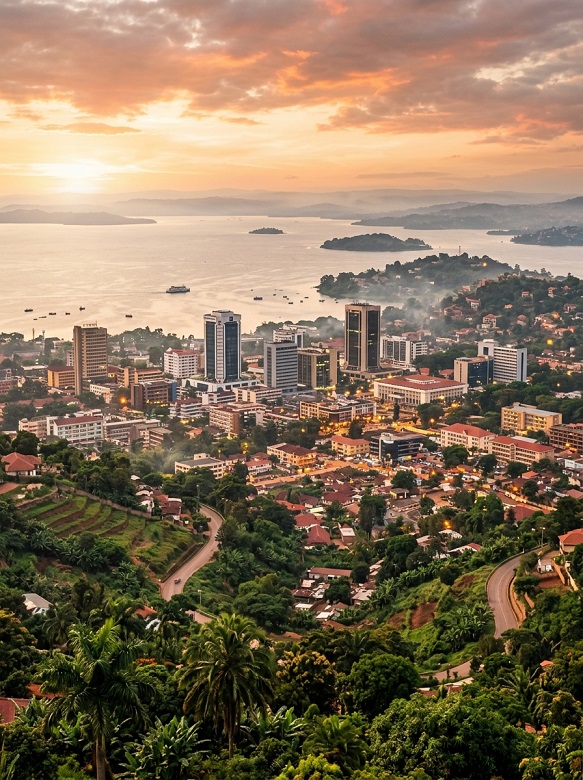
Uganda earns its nickname, “the Pearl of Africa,” from genuinely stunning landscapes: misty mountains, the source of the Nile, and some of the last mountain gorillas on earth. It doesn’t carry the diaspora pull of West Africa, and its residency system is less developed than neighboring Kenya or Rwanda, but the natural beauty and low cost of living have built a loyal expat following anyway.
Livability
- Population: around 48 million
- English-speaking: the official language, used in government, schools, and most businesses
- Cultural familiarity: East African in character, with limited direct historical ties to most African American ancestry
- Safety: moderate, with mugging and scams a bigger day-to-day concern than violent crime, plus occasional security issues near the western border
- Property: foreigners cannot hold freehold land, only long-term leaseholds
- Expat community: shaped heavily by NGOs and development work rather than diaspora-specific programs
- Political stability: stable under long-tenured leadership, with occasional political tension
- Electricity: improving thanks to hydropower investment, though rural areas remain inconsistent
- Creative scene: a growing but still modest music and film industry compared to Nigeria or Kenya
- Gay friendliness: Uganda is currently among the world’s most restrictive countries for LGBTQ+ people. The 2023 Anti-Homosexuality Act introduced extremely severe penalties, including life imprisonment for some offenses and the death penalty for certain legally defined aggravated cases. Safety is only guaranteed in exclusive touristy locations. Gay-friendliness score: 10%
- Life expectancy: about 68.5 years (71.4 for women, 65.5 for men)
- HIV prevalence: around 5%, down significantly from its early-1990s peak near 13%
- Healthcare: decent private hospitals in Kampala, underfunded public system, and a questionable national health insurance scheme
Lifestyle
Kampala’s Kololo and Nakasero neighborhoods house most relocating professionals, with secure compounds that use generators or solar energy as alternative means of generating electricity. A comfortable single life there runs $700 to $1,200 a month, genuinely one of the more affordable options on this list. Gorilla trekking in Bwindi Impenetrable Forest is the country’s signature experience, and it’s a huge draw. There are many cozy and breathtaking natural resorts in Uganda.
Challenges
Uganda’s residency system doesn’t have a clear retirement or digital nomad pathway with published rules the way Cape Verde or Kenya do. Most long-term foreigners rely on a Class G Special Pass, renewed annually, with naturalization technically possible only after 20 years of legal residence.
Uganda fits nature lovers, NGO professionals, and budget-conscious relocators more than anyone chasing fast-track residency or ancestral connection.
Uganda FAQs
Is Uganda visa-free for Americans?
No, an e-visa is required in advance for most travelers, including US citizens.
Can foreigners own land in Uganda?
No freehold ownership; long-term leaseholds are the standard arrangement for non-citizens.
Is Uganda safe for travelers?
Generally, yes, with normal precautions, particularly in Kampala and the established tourist circuit; gorilla trekking itself runs under strict guide supervision and has an excellent safety record.
Can Places To Tour arrange a gorilla trekking and relocation scouting trip to Uganda?
Yes, and combining a Bwindi permit with a few days in Kampala gives a realistic feel for both the adventure and the daily-life side of the country.
12. Morocco (Al-Mamlaka Al-Maghribiya)

Morocco is situated at the crossroads of Africa, Europe, and the Arab world. This combination is exactly what makes it one of the most compelling relocation destinations on this list. The North African kingdom is home to ancient medinas, elegant souks (markets) in Marrakech, Atlantic and Mediterranean coastlines, and the Sahara Desert. Morocco has been ranked as the third African country with the best quality of life (only behind South Africa and Tunisia), according to the Quality of Life Index 2025 developed by the Numbeo Foundation.
Livability
- Population: around 37 million
- English-speaking: not widely; Arabic (Darija) and French dominate, with Tamazight also official; English is growing among younger Moroccans and in major cities
- Cultural familiarity: deeply Islamic in character, with Berber, Arab, and sub-Saharan African roots woven together. African Americans with Muslim faith or North African ancestry often feel an unexpected sense of belonging
- Safety: Morocco is one of the safest countries in Africa and the broader MENA region, with a notably low violent crime rate in major cities
- Property: foreigners can purchase property in Morocco with relatively straightforward procedures, subject to currency repatriation rules through licensed banks
- Expat community: large and well-established, particularly in Marrakech, Casablanca, and Rabat; a growing remote worker presence in Agadir and Essaouira
- Political stability: stable constitutional monarchy; King Mohammed VI has overseen significant modernization since 2000
- Electricity: reliable in urban areas; infrastructure is improving steadily nationwide
- Creative scene: world-class—from the ancient craft traditions of Fez’s medina to the contemporary art galleries of Casablanca and the film industry that has made Ouarzazate the “Hollywood of Africa”
- Gay friendliness: Same-sex sexual activity is illegal in Morocco. However, major tourist destinations such as Marrakesh and Casablanca are often more discreetly tolerant toward foreign visitors than rural areas. In Morocco, public displays of affection—whether same-sex or opposite-sex—are generally discouraged in many settings. Gay-friendliness score: 30%
- Life expectancy: approximately 77.1 years, among the highest on this list
- HIV prevalence: very low by both African and global standards
- Healthcare: strong public and private systems in Casablanca, Rabat, and Marrakech; international-standard private clinics are accessible and affordable by Western benchmarks
Lifestyle
A comfortable expat budget of $1,500 to $2,500 a month covers a furnished apartment in a desirable neighborhood, daily meals at good restaurants, domestic travel, and reliable internet—a standard of living that would cost three to four times as much in most Western cities. Marrakech draws creatives and entrepreneurs with its riads (lodges), rooftop terraces, and a design culture that has attracted international attention for decades. Casablanca is the economic engine, more corporate, more cosmopolitan, and better connected by air. Rabat, the capital, is calmer and has a significant international community tied to diplomacy and development work.
Challenges
Arabic, specifically Moroccan Darija, is hard to learn and distinct enough from Modern Standard Arabic. French remains the language of business, government, and higher education. Some parts of Morocco’s older cities can feel overwhelming for first-time visitors, and the gap in lifestyle and infrastructure between major cities and rural areas is significant.
Morocco fits remote workers, entrepreneurs, and Islamic African Americans seeking a country where faith and daily life fully align.
FAQs
Does Morocco have a digital nomad visa?
Morocco has been developing a formal remote worker program, and in the meantime many expats enter on tourist status and establish longer-term residency through a carte de séjour (residence permit). You should confirm the current status of any nomad-specific visa directly with a Moroccan consulate before making plans.
Is English spoken in Morocco?
In hotels, tourist areas, and among younger urban professionals, yes. For daily errands, banking, and anything bureaucratic, French or Darija is used.
What’s the visa situation for African Americans visiting Morocco?
U.S. passport holders can enter Morocco visa-free for up to 90 days. Longer-term residency requires registration and a carte de séjour through local authorities.
Is Morocco a good destination for Islamic African Americans specifically?
It is arguably the strongest fit on this entire list for Muslim travelers and relocators. The country’s Islamic identity is inseparable from its culture, architecture, calendar, and hospitality.
Can Places To Tour plan a Morocco itinerary?
Yes. Pairing Marrakech’s medina with the blue streets of Chefchaouen and a night in the Sahara near Merzouga is one of the most memorable trips we put together anywhere on the continent.
P.S. The diaspora community also finds Senegal to be a great country to live in, especially if you speak French fluently.
Finding Your Fit
No single country on this list works for everyone, and that’s the whole point. Someone searching for ancestral reconnection and government-backed support will prefer Ghana or Nigeria. Someone who wants a calm and safe retreat above all else will look to Rwanda, Kenya, or Namibia. Those with the money to spend and a taste for island life will choose Mauritius or Seychelles. The most livable African countries for African Americans are matched to the life you’re actually trying to live.
Start with a real visit before any big decision. Places To Tour can make that trip happen.
You May Also Like:
10 African Countries at the FIFA World Cup 2026 and their Tourist Attractions


